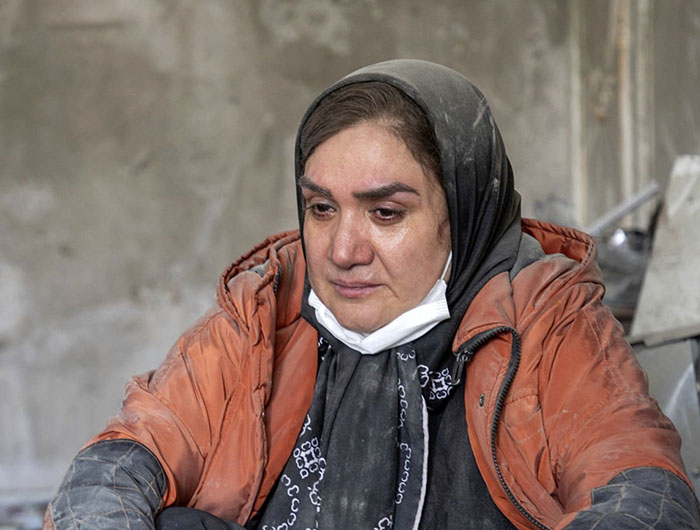
War Conflict and the Hijab: The Role of Women in Socio-Political Movements
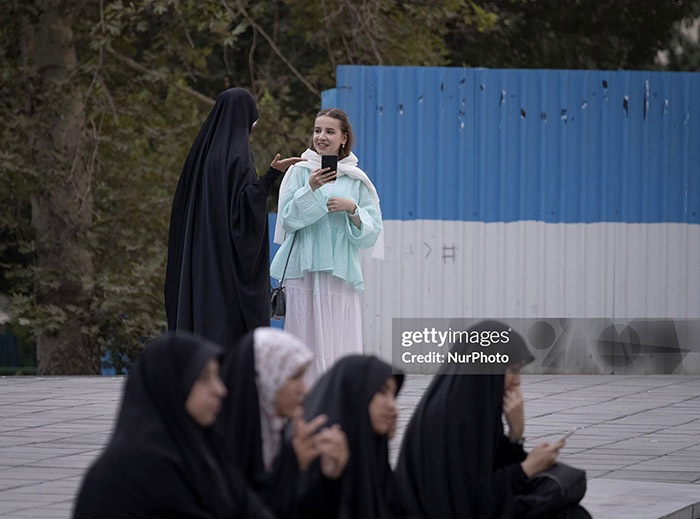
Section 1: Historical Context of Iran-Israel Relations
1.1 Origins of the Iran-Israel Rivalry
The Iran-Israel conflict is rooted in ideological, political, and regional rivalries. Since the establishment of Israel in 1948, Iran’s stance has been hostile, driven by ideological opposition, support for Palestinian resistance, and regional geopolitics.
After the 1979 Iranian Revolution, the Islamic Republic of Iran adopted an explicitly anti-Israel stance, viewing Israel as an illegitimate state occupying Palestinian lands. Iran openly supports groups like Hezbollah and Hamas, framing their resistance as part of a broader Islamic struggle.
1.2 Recent Escalations and the 2025 War
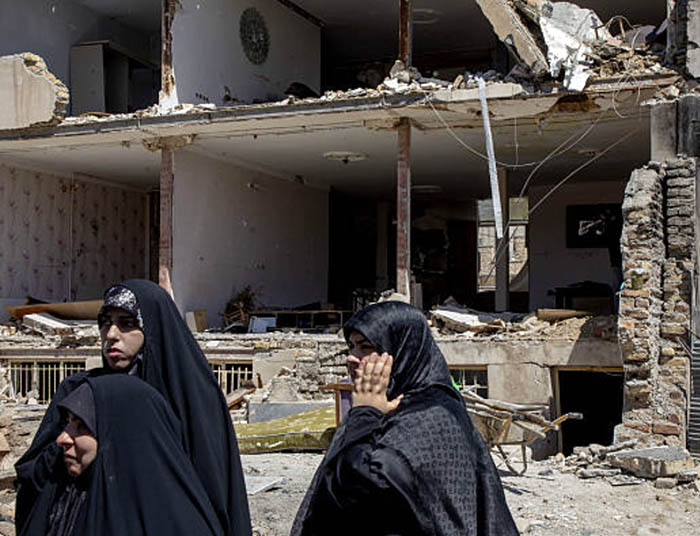
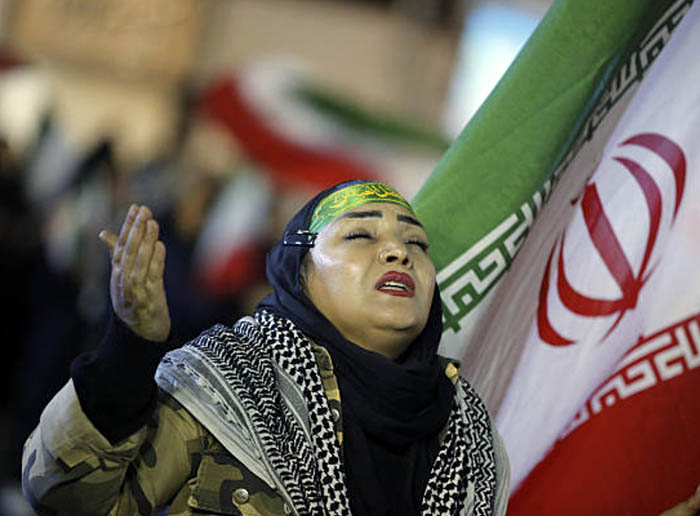
The 12-day war in 2025 marked a significant escalation, with intense missile exchanges, cyberattacks, and regional alliances coming into play. While the conflict was primarily military, its ripple effects deeply affected Iranian society, fueling nationalistic sentiments and religious mobilization.
1.3 International Dynamics
Global powers, including the United States, Russia, and China, influence Iran-Israel tensions. Western sanctions, military aid to Israel, and Iran’s pursuit of nuclear capabilities shape the regional landscape. These external pressures often serve to reinforce domestic narratives of resistance and sovereignty.
August 7, 2025 | 4:21 pm