US State Department Arrests Relative of Qassem Soleimani: Immigration Crackdown, National Security Concerns
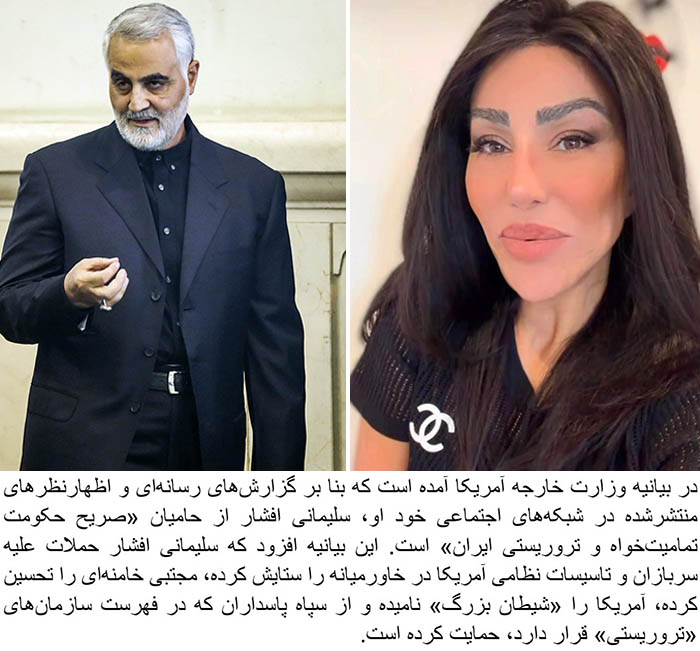
Background: Who Was Qassem Soleimani?
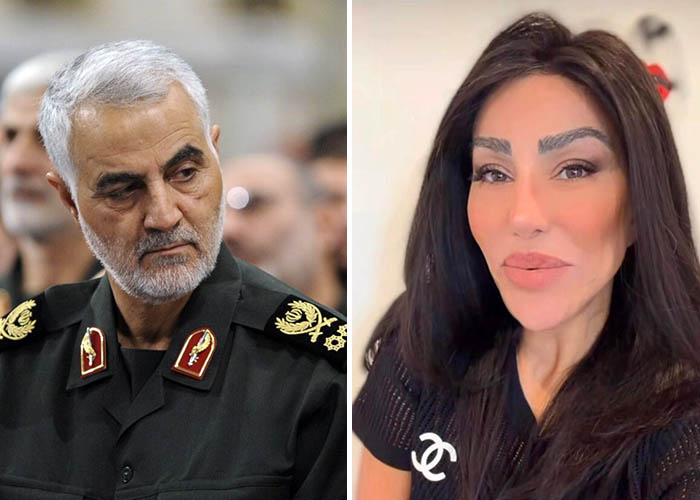
To understand the significance of this case, it is essential to revisit the legacy of Qassem Soleimani. As the former commander of the IRGC’s Quds Force, Soleimani played a pivotal role in shaping Iran’s military strategy across the Middle East. He was widely regarded as one of the most powerful figures in Iran until his death in a US drone strike in January 2020, an event that dramatically escalated tensions between Washington and Tehran.
Soleimani’s influence extended beyond military operations; he was also seen as a symbol of Iranian resistance against US presence in the region. His network of allies and affiliates spanned multiple countries, making any association with him highly sensitive in US national security contexts.
Social Media Surveillance and National Security
In recent years, social media has become a central tool in national security investigations. Platforms like Instagram, Twitter, and Facebook often serve as digital records of personal beliefs, affiliations, and activities. In the case of Soleimani Afshar, authorities reportedly relied heavily on posts from her now-deleted account.
These posts allegedly included praise for attacks on US military forces, support for Iranian leadership, and criticism of American foreign policy. In the eyes of US officials, such statements go beyond free expression and enter the realm of national security risk.
However, the reliance on social media evidence raises critical questions. Context is often difficult to interpret online. Statements may be exaggerated, sarcastic, or taken out of context. Additionally, the deletion of accounts complicates verification, as it limits the ability of defense teams to review the full scope of the content.
Legal experts warn that the increasing use of digital evidence must be accompanied by rigorous standards to ensure fairness and accuracy.
April 4, 2026 | 5:45 pm