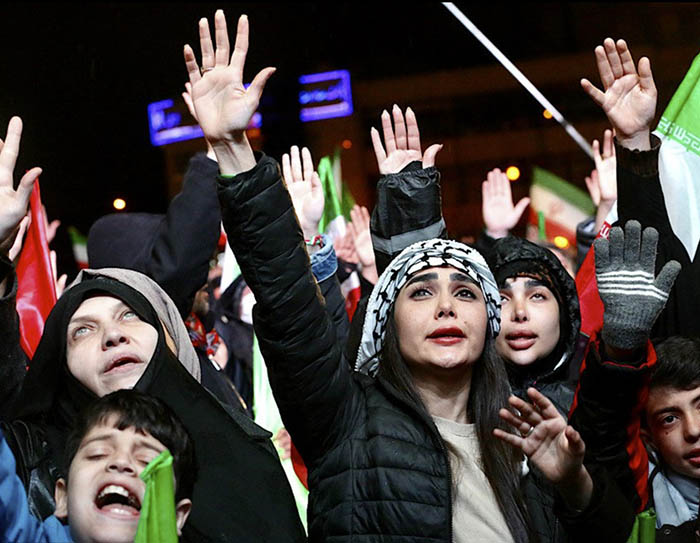
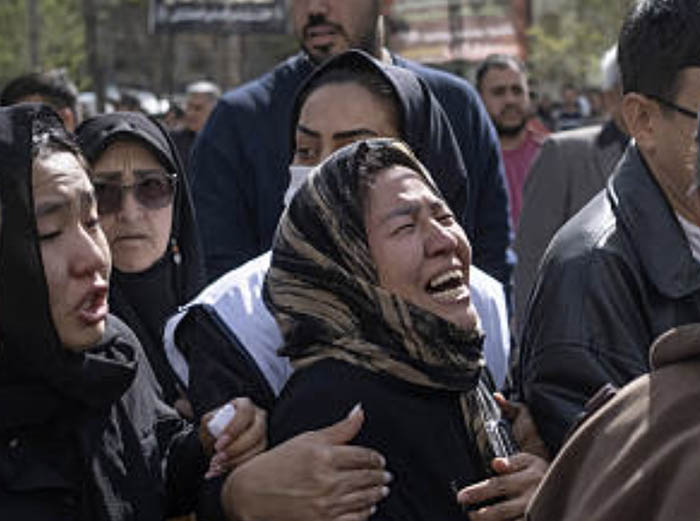
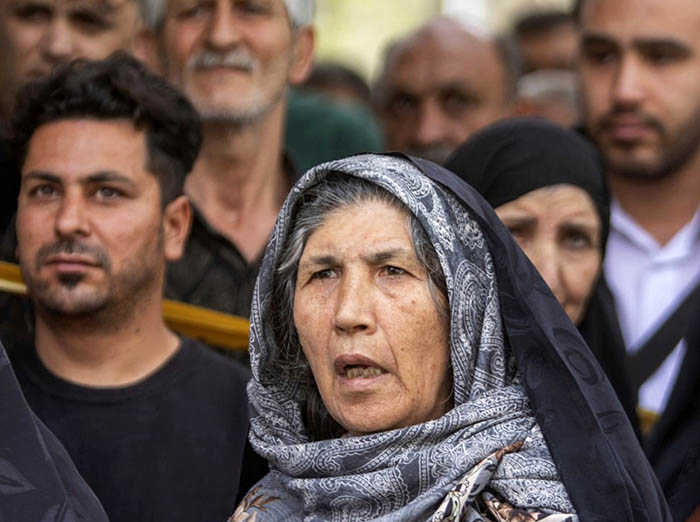
U.S.-Israeli Airstrikes on Tehran: Full Report on the March 2, 2026 Attacks, Destruction, and Regional Escalation
Conclusion: A Defining Moment in Middle East Geopolitics
The March 2, 2026 U.S.-Israeli airstrikes on Tehran represent a watershed moment in modern geopolitical conflict. With the confirmed death of Iran’s Supreme Leader, widespread urban destruction, retaliatory missile attacks, and mounting international concern, the trajectory of the Middle East has shifted dramatically.
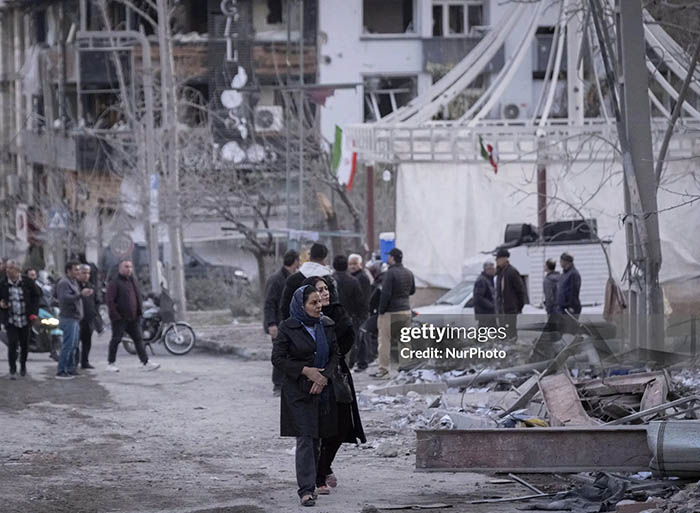
From the destroyed police headquarters to the damaged infrastructure around Nilufar Square and Gandhi Hotel Hospital, the images emerging from Tehran reflect both the strategic precision and the devastating consequences of modern warfare in densely populated urban environments.
As global leaders weigh diplomatic intervention against continued military engagement, the coming weeks will determine whether the region moves toward negotiated de-escalation or deeper conflict.
The destruction in Tehran on March 2, 2026 marks one of the most consequential military escalations in decades. With the confirmed death of Ayatollah Ali Khamenei, large-scale urban damage, retaliatory missile strikes, and global economic ripples, the trajectory of Middle East geopolitics has shifted dramatically.
From the flattened police headquarters to the devastated areas around Nilufar Square and the damaged rooms inside Gandhi Hotel Hospital, the physical scars of the conflict are visible across the Iranian capital.