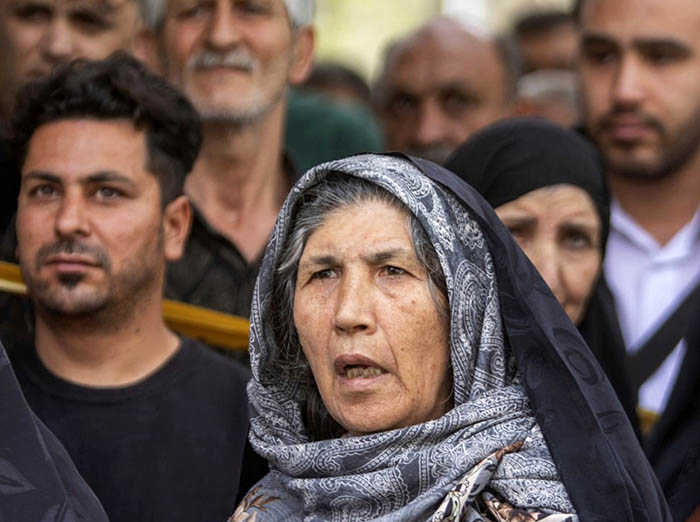
The Third Group of Deported from the United States Under the Trump Administration: A Comprehensive Analysis
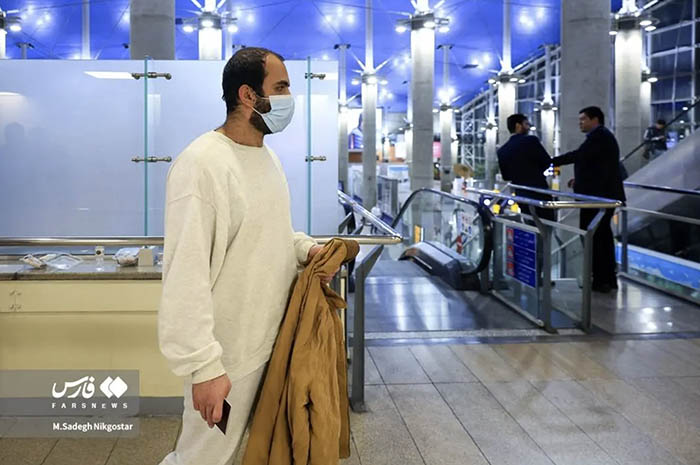
1. Historical Context of US-Iran Relations
1.1 The Roots of Tension
The relationship between Iran and the United States has been fraught since the 1953 CIA-backed coup that overthrew Iran’s democratically elected Prime Minister Mohammad Mosaddegh. This event sowed seeds of mistrust that would grow over decades.
The 1979 Iranian Revolution led to the overthrow of the Shah, an American ally, and the hostage crisis, which saw 52 Americans held captive in Tehran for over a year. Diplomatic relations were severed, and the two nations entered a period of hostility characterized by sanctions, covert operations, and military tensions.
1.2 Sanctions and Diplomatic Isolation
US sanctions targeted Iran’s economy, military programs, and diplomatic engagement. These sanctions affected not only governments but also Iranian citizens abroad, including students, professionals, and expatriates.
1.3 The Role of the Iranian Diaspora
Despite political tensions, the Iranian community in the US has grown significantly, with estimates suggesting over 400,000 Iranian Americans. They have contributed to the cultural, academic, and economic fabric of the United States.
However, political tensions also led to increased scrutiny and suspicion of Iranian nationals, especially after 9/11 and during periods of heightened US-Iran conflicts.
January 27, 2026 | 6:06 pm