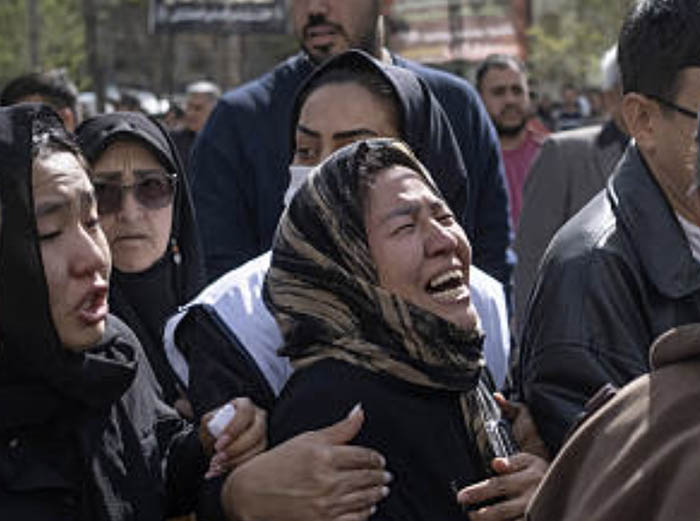
The Sorrow of Destruction in West Tehran: Inside the Human Cost of the War
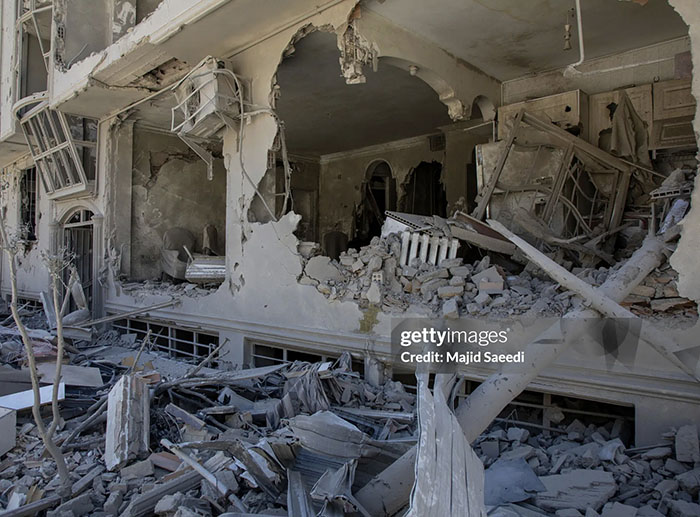
A City in Shock: West Tehran After the Airstrikes
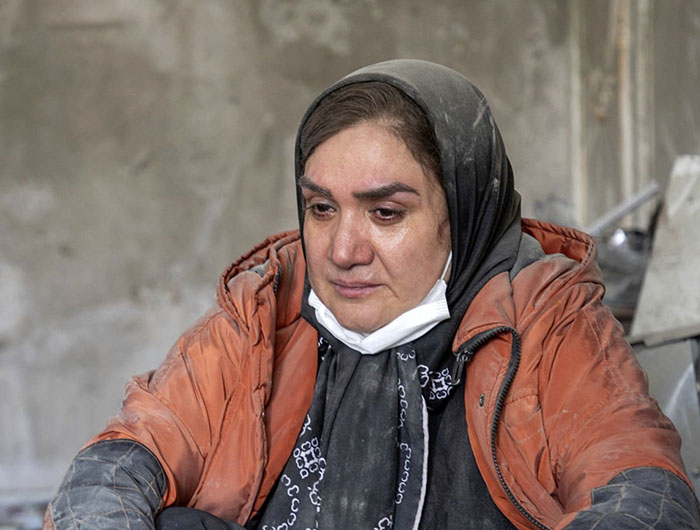
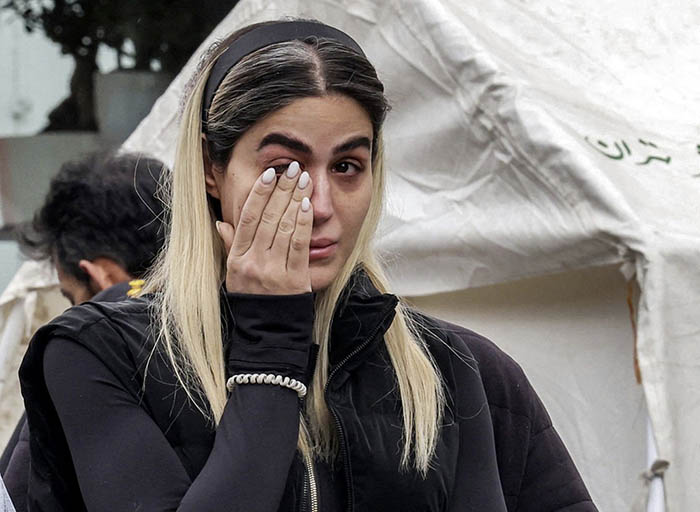
In the aftermath of the attack, the streets of west Tehran were filled with dust, debris, and disbelief. Survivors wandered through the wreckage of their homes, searching for loved ones, possessions, or simply answers. A resident, overcome with emotion, stood near the shattered remains of a building, speaking on the phone while tears streamed down his face. His grief mirrored that of countless others affected by the strikes.
Families who had gathered just days earlier to celebrate Nowruz—the Persian New Year—now found themselves displaced. One poignant image captured a man holding a goldfish bowl salvaged from the ruins. The goldfish, a traditional symbol of life and renewal in the Haft-Sin table, became a haunting representation of resilience amid destruction.
The phrase scrawled in dust on a nearby car—directed at former U.S. leadership—reflected the anger and frustration felt by many residents. These personal expressions of grief and rage underscore the emotional devastation inflicted by the conflict.
March 30, 2026 | 4:39 pm