The Legacy and Family Roots of Trita Parsi: A Reflection of History and Identity
Introduction
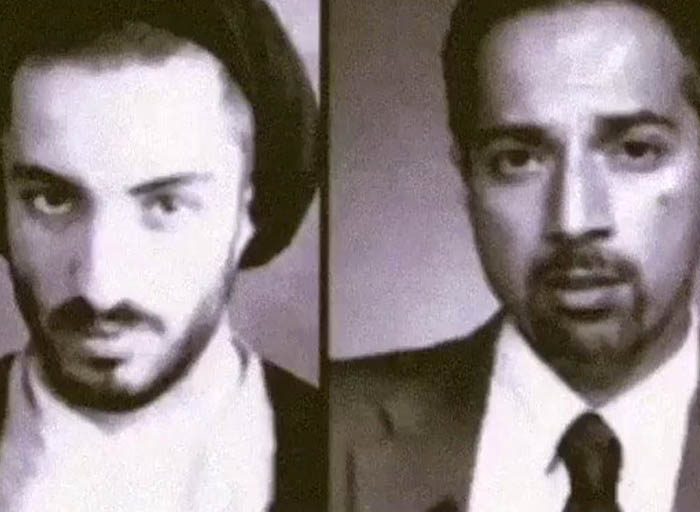
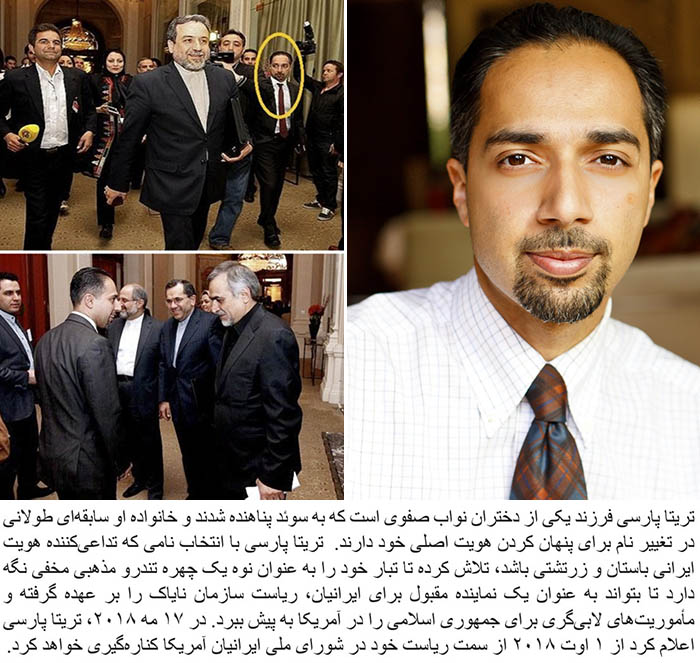
Trita Parsi’s appearance has often been noted to resemble that of Navab Safavi, the prominent Iranian revolutionary and founder of the Fadayan-e-Islam movement. This resemblance is more than superficial; it reflects a deep connection to Iran’s tumultuous political history and the complex identities woven into his family heritage.
Navab Safavi, also known as Seyyed Mojtaba Navab Safavi, was a charismatic and militant figure who played a significant role in Iran’s early 20th-century religious and political struggles. His distinctive features—sharp eyes, prominent facial structure, and traditional attire—are often echoed in those who carry the legacy of Iran’s revolutionary fervor.
Trita Parsi’s appearance, characterized by his intense gaze and traditional features, has often been compared to Navab Safavi by those familiar with Iranian history. While Parsi’s public persona is one of diplomacy and scholarly engagement, his physical resemblance serves as a visual reminder of his family’s historical ties to Iran’s revolutionary and political movements.
Family Heritage and Its Reflection in Appearance
The physical similarities between Parsi and Navab Safavi symbolize the enduring connection to Iran’s revolutionary past. Parsi’s family history includes associations with political activism, religious seminary education, and clandestine political movements that have shaped Iran’s modern history.
His family’s story, including the daughters who studied in Europe and America after completing religious seminary education in Iran, underscores a tradition of intellectual pursuit and political engagement. These elements are reflected not only in their academic and political endeavors but also in their outward appearance, which carries the echoes of Iran’s revolutionary figures.
Cultural Significance
In Iranian culture, physical appearance often carries symbolic weight, especially when linked to historical figures. The resemblance of Parsi to Navab Safavi can be seen as a visual bridge connecting Iran’s past struggles with its present diplomatic efforts. It reminds observers of the enduring spirit of resistance, religious devotion, and political activism that continues to influence Iran’s identity.