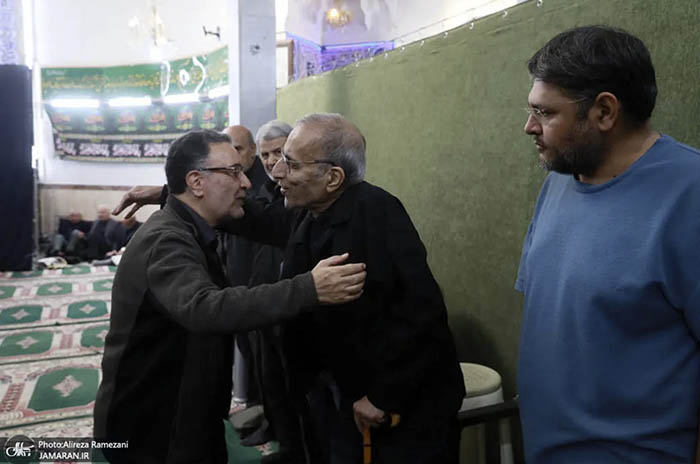
The Funeral of Seyyed Mustafa Tajzadeh’s Brother: A Reflection of Political Legacy and Mourning
Broader Political Context in Iran
Historical Overview of Iran’s Reform Movement
Iran’s reform movement has a long history rooted in opposition to authoritarianism and desire for democratization. The movement gained momentum during President Mohammad Khatami’s administration (1997-2005), advocating for freedom of expression, rule of law, and social justice.
Key milestones include:
- First Local Elections (2003): Marked a shift towards participatory governance, with reformists gaining significant electoral victories.
- 2009 Presidential Election Protests: Sparked by allegations of election fraud, leading to mass protests and a crackdown on reformists.
- Post-2009 Repression: Many reformist leaders and activists were imprisoned, exiled, or silenced.
Political Repression and Human Rights Violations
Iran’s political landscape remains highly repressive, especially towards reformists, journalists, human rights advocates, and religious minorities. The government’s suppression tactics include censorship, arrests, torture, and restrictions on political activism.
Organizations like Amnesty International and Human Rights Watch regularly report on these abuses, calling for greater accountability and reform.
Key Political Players and Factions
- Conservatives: Support theocratic rule and maintain the status quo.
- Reformists: Advocate for political liberalization, civil rights, and democratic reforms.
- Hardliners: Seek to suppress reformist movements and maintain strict control over political institutions.
- Moderates: Attempt to bridge the gap between reformists and conservatives but often face ideological opposition.
The Role of Civil Society and International Community
Despite repression, civil society in Iran continues to organize protests, advocate for human rights, and push for reform through various channels. International organizations and foreign governments often voice concern over Iran’s human rights record, applying sanctions and diplomatic pressure.
November 1, 2025 | 5:26 pmMore stories
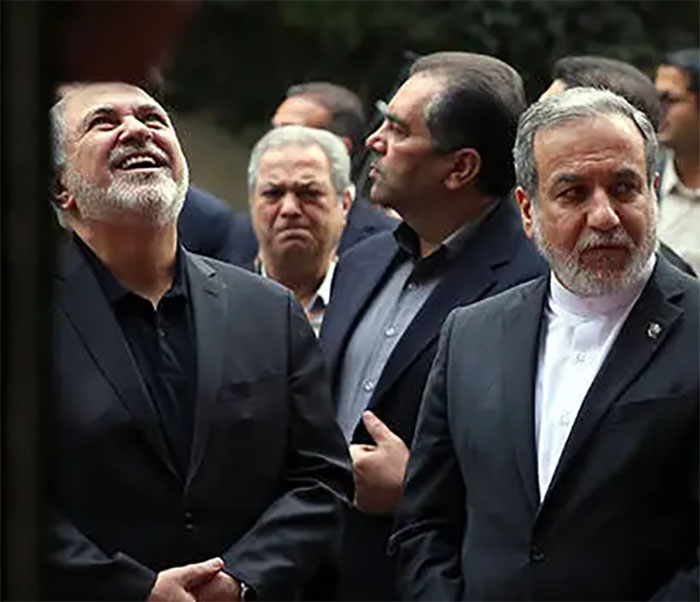
Mohammad Javad Zarif and Abbas Araghchi Attend Ceremony Honoring Kamal Kharrazi in Tehran
Introduction A commemorative ceremony honoring Seyyed Kamal Kharrazi was held in Tehran, bringing together several prominent figures associated with Iran’s … Continue reading ➝
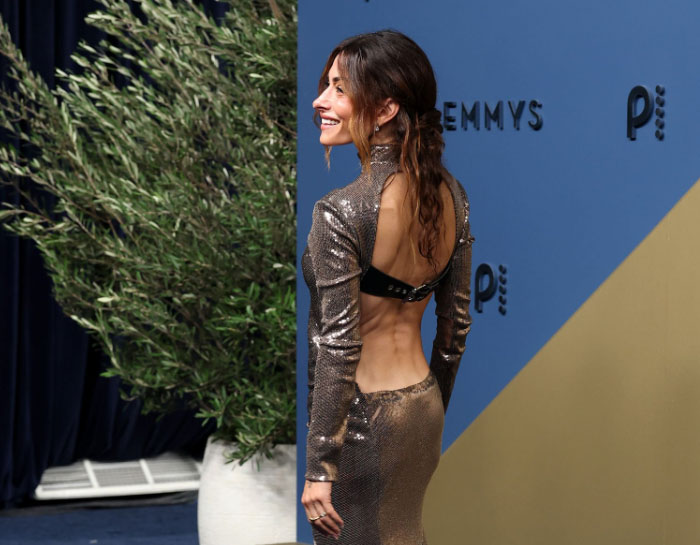
Sarah Shahi at the 2026 Emmy Awards: Red Carpet Appearance, Fashion Details and Shoe Close-Up
Introduction Sarah Shahi was among the celebrities photographed at the 78th Primetime Emmy Awards on September 14, 2026, in Los … Continue reading ➝
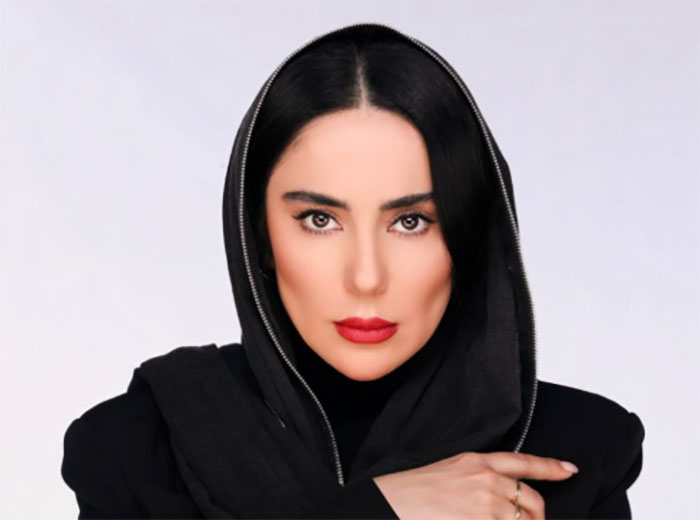
Sheida Yousefi: TV Shows, Noon Kh, Savushun and Personal Life
Introduction Sheida Yousefi is an Iranian actress known for her performances in television dramas, Iranian cinema and home video network … Continue reading ➝
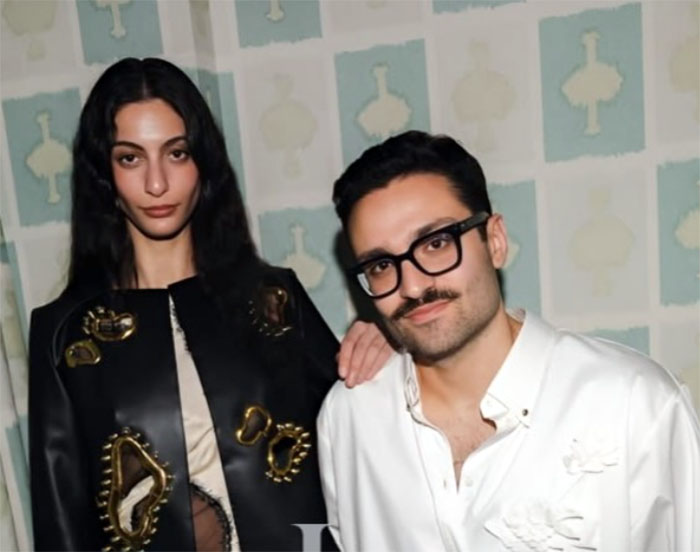
Amir Taghi Brings Heritage and Asiatic Cheetah Inspiration to Vogue’s 2026 Sustainable Fashion Challenge
a Introduction Iranian-American fashion designer Amir Taghi has brought Iranian cultural heritage into the international fashion conversation through a striking … Continue reading ➝
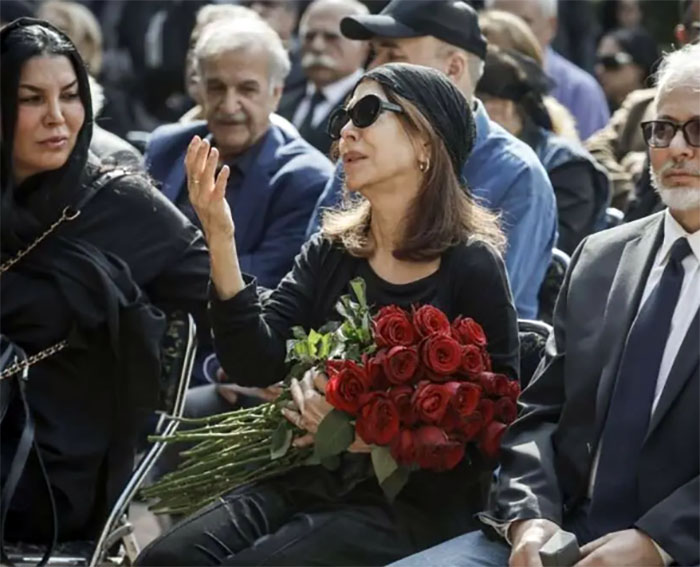
Sirus Ebrahimzadeh Funeral: Details of the Farewell Ceremony in Tehran After His Remains Returned from the United States
a Introduction A farewell ceremony honoring Iranian actor Sirus Ebrahimzadeh was held on the morning of Wednesday, October 21, 2026, … Continue reading ➝