The Former U.S. Embassy in Tehran: A Symbol of Iran-U.S. Relations and Its Historical Significance
1. A Brief History of the U.S. Embassy in Tehran
The Construction and Early Years
The U.S. embassy in Tehran was established in the early 20th century, serving as a diplomatic mission and a symbol of Iran-U.S. relations. Located in the Shahr-e No neighborhood, the embassy complex was built with modern architecture, designed to facilitate diplomatic communication and represent American interests in Iran.
The 1953 Coup and the Cold War Era
The embassy’s significance grew during the Cold War period, especially after the 1953 coup that overthrew Iran’s democratically elected Prime Minister Mohammad Mosaddegh. The CIA-backed operation reinstalled the Shah, Mohammad Reza Pahlavi, who maintained close ties with the United States. The embassy served as a hub for diplomatic and intelligence activities during this era.
The 1979 Iranian Revolution and the Hostage Crisis
The most defining moment in the embassy’s history occurred in November 1979, when Iranian students stormed the U.S. embassy, taking 52 American diplomats hostage for 444 days. This event marked a turning point in Iran-U.S. relations, symbolizing Iran’s rejection of American influence and leading to decades of hostility.
Post-Revolution Changes and Symbolism
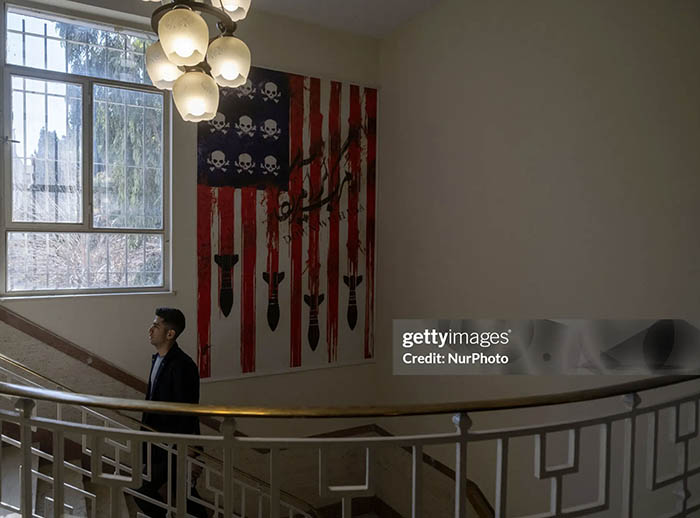
Since 1979, the embassy was abandoned, and the site was transformed into a symbol of resistance and anti-American sentiment. The building’s architecture, murals, and slogans inscribed on its walls reflect Iran’s revolutionary ideals and its stance against U.S. policies.
February 27, 2026 | 2:57 am