The Former U.S. Embassy in Tehran: A Symbol of Iran-U.S. Relations and Its Historical Significance
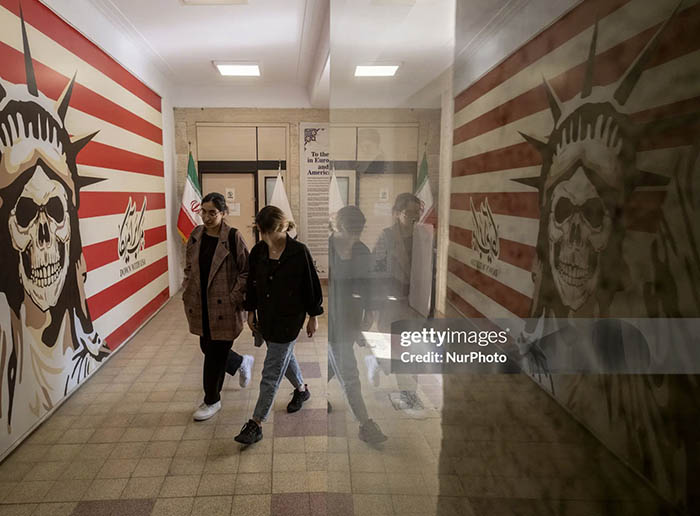
10. The Evolution of Iran-U.S. Diplomatic Relations: From Cold War to Present
Cold War Dynamics and the 1953 Coup
The relationship between Iran and the United States dramatically shifted during the Cold War era. In 1953, the CIA orchestrated Operation Ajax, which overthrew Iran’s democratically elected Prime Minister Mohammad Mosaddegh and reinstated the Shah, Mohammad Reza Pahlavi. This covert operation was driven by fears of nationalization of Iran’s oil resources and concerns over Soviet influence.
The embassy served as a critical hub for intelligence gathering, diplomatic negotiations, and U.S. influence operations, cementing Iran’s strategic importance in the context of Cold War geopolitics.
The 1979 Revolution and the Hostage Crisis
The Iranian Revolution of 1979 marked a turning point in Iran-U.S. relations. The Shah’s oppressive regime was overthrown, leading to the establishment of the Islamic Republic under Ayatollah Khomeini. The storming of the U.S. embassy and the hostage crisis, where 52 American diplomats were held hostage for 444 days, symbolized Iran’s rejection of American interference.
This event led to severe diplomatic rupture, economic sanctions, and the long-standing “estranged” relationship that persists today. The embassy was abandoned, left as a symbol of the failed diplomacy and the deep-seated mistrust.
Post-Revolution Tensions and Fluctuations
Over the subsequent decades, Iran and the U.S. engaged in a series of confrontations, covert operations, and negotiations. The Iran-Iraq War (1980-1988), U.S. support for Iraq, and Iran’s regional influence all contributed to ongoing tensions.
Efforts such as the Iran Nuclear Deal (JCPOA) in 2015 temporarily thawed relations, but the U.S. withdrawal from the agreement in 2018 and ongoing sanctions further complicated diplomacy.
The 2026 Diplomatic Efforts
In 2026, the renewed negotiations in Geneva showcase a potential shift, yet the symbolic acts at the former embassy—such as the upside-down flag—indicate persistent hostility and resistance. These acts serve as powerful political messages that influence negotiations and international perceptions.
February 27, 2026 | 2:57 amMore stories
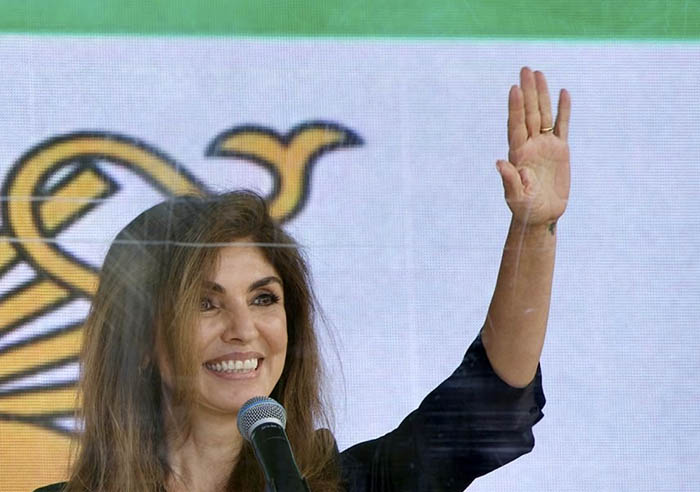
US–Israel–Iran War Demonstration in Washington, DC: Iranian Diaspora Rally for Freedom
Introduction On March 29, 2026, thousands gathered on the National Mall in Washington, DC near the iconic US Capitol to … Continue reading ➝
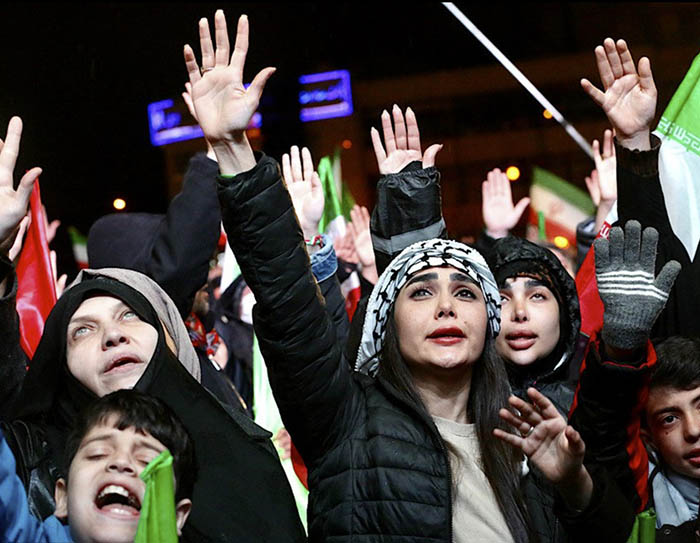
Night Gatherings in Tehran During Wartime in Vanak and the Transformation of Urban Space
Introduction Night gatherings in Tehran during wartime have become a significant aspect of urban life, particularly in central districts such … Continue reading ➝
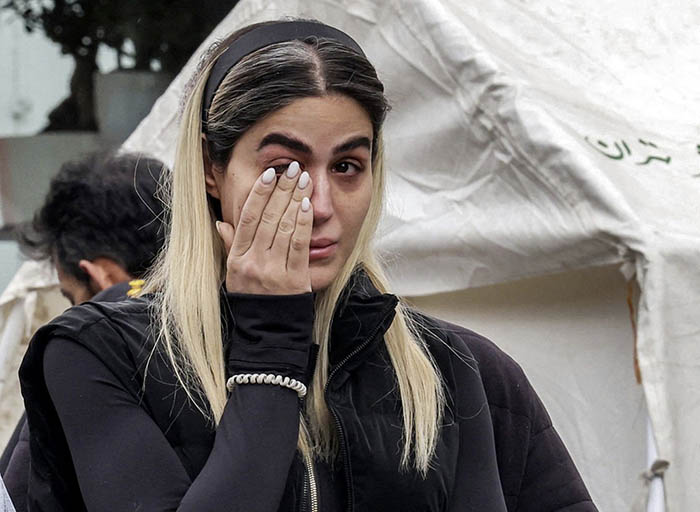
Missile Strike on Al-Arabi TV Office in Tehran Amid Escalating Iran–Israel Conflict
Introduction The rapidly escalating tensions in the Middle East reached a dramatic and alarming turning point as a missile strike … Continue reading ➝
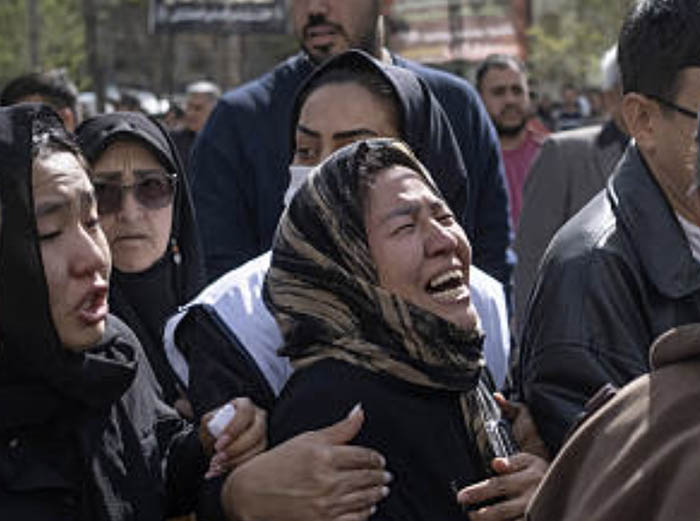
Despair in Afghan Neighborhood in Southern Tehran After Devastating Bombing
Introduction The narrow streets of an Afghan neighborhood in southern Tehran have fallen into a silence that feels heavier than … Continue reading ➝
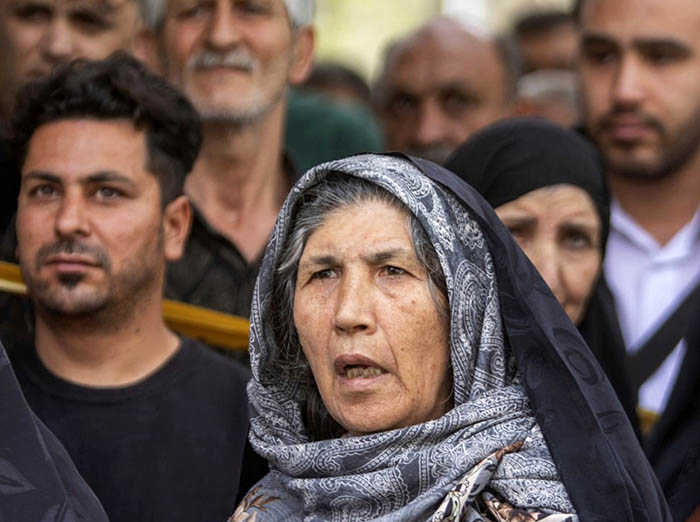
Residents in Shock After Missile Strikes Devastate Homes in Ray Amid Escalating War
Introduction Residents of Ray, a historic city just south of Tehran, woke to scenes of devastation and disbelief after midnight … Continue reading ➝