The First Congress of the Covenant Party: A New Dawn for Reform
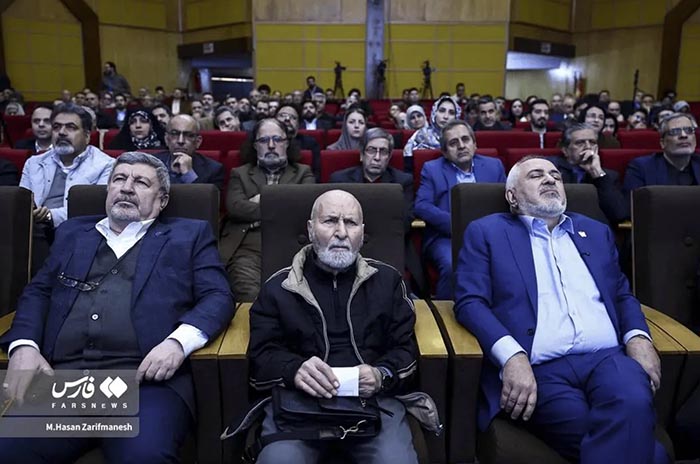
The first congress of the Iranian Covenant Party, marked by the contributions of Mohammad Javad Zarif and Behzad Nabavi, represents a significant step towards revitalizing the reformist movement in Iran. Their calls for unity, social justice, and diplomatic engagement resonate with a populace eager for change. As the Iranian political landscape continues to evolve, the influence of these key figures will undoubtedly play a crucial role in shaping the future of reform in the country.
Zarif’s Role at the First Congress
A Vision for Reform
At the first congress of the Iranian Covenant Party, Mohammad Javad Zarif delivered a compelling address that encapsulated the aspirations of the reformist movement. His extensive experience as Iran’s Foreign Minister allowed him to articulate a vision for reform that resonates with both domestic and international audiences. Zarif emphasized the need for a comprehensive political reform agenda that prioritizes transparency, accountability, and civic engagement.
Key Themes in Zarif’s Speech
-
Diplomacy and International Relations: Zarif underscored the importance of diplomacy in navigating Iran’s complex geopolitical landscape. He argued that constructive engagement with the international community is essential for alleviating economic pressures and fostering an environment conducive to reform.
-
Human Rights and Social Justice: A significant portion of Zarif’s address focused on the necessity of upholding human rights and promoting social justice. He called for policies that protect civil liberties and ensure equality for all citizens, particularly marginalized communities. This emphasis on human rights aligns with the core values of the Iranian Covenant Party.
-
Unity Among Reformists: Zarif’s call for unity among various reformist factions was a recurring theme throughout the congress. He urged attendees to set aside differences and collaborate towards common goals, reinforcing the idea that a united front is crucial for effective political action. His message resonated deeply with the audience, many of whom recognized the challenges posed by political fragmentation.
More stories
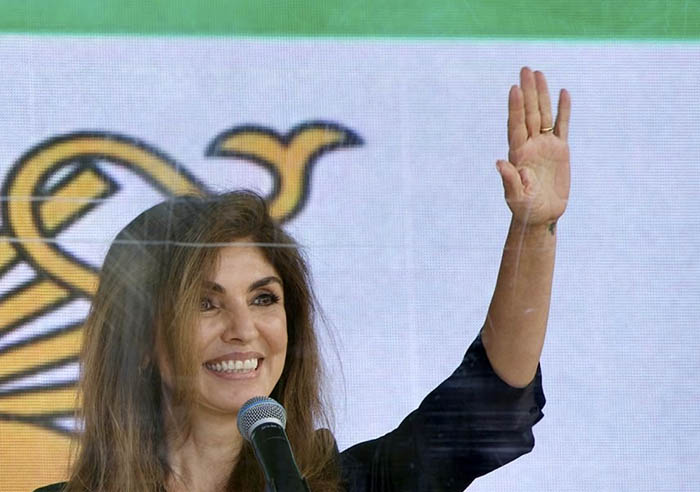
US–Israel–Iran War Demonstration in Washington, DC: Iranian Diaspora Rally for Freedom
Introduction On March 29, 2026, thousands gathered on the National Mall in Washington, DC near the iconic US Capitol to … Continue reading ➝
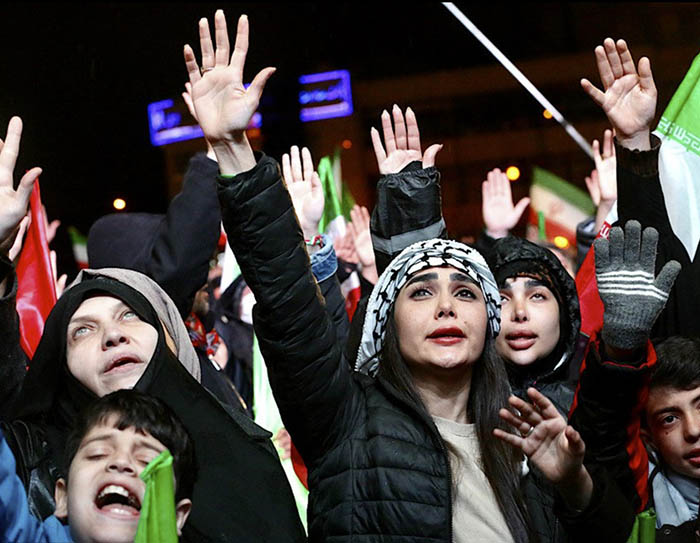
Night Gatherings in Tehran During Wartime in Vanak and the Transformation of Urban Space
Introduction Night gatherings in Tehran during wartime have become a significant aspect of urban life, particularly in central districts such … Continue reading ➝
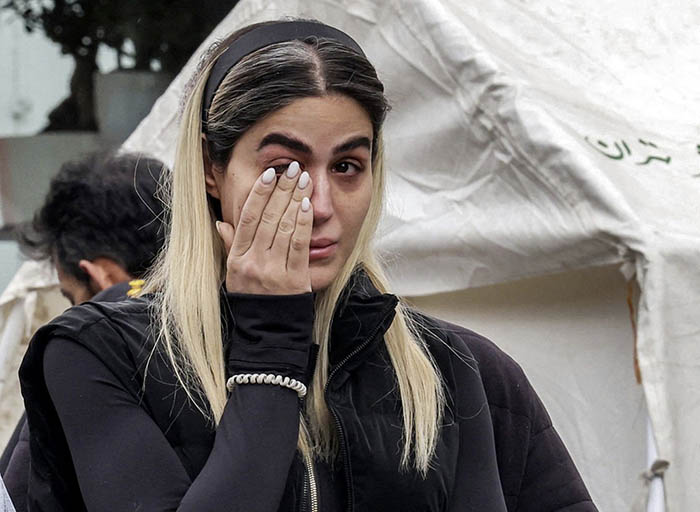
Missile Strike on Al-Arabi TV Office in Tehran Amid Escalating Iran–Israel Conflict
Introduction The rapidly escalating tensions in the Middle East reached a dramatic and alarming turning point as a missile strike … Continue reading ➝
Despair in Afghan Neighborhood in Southern Tehran After Devastating Bombing
Introduction The narrow streets of an Afghan neighborhood in southern Tehran have fallen into a silence that feels heavier than … Continue reading ➝
Residents in Shock After Missile Strikes Devastate Homes in Ray Amid Escalating War
Introduction Residents of Ray, a historic city just south of Tehran, woke to scenes of devastation and disbelief after midnight … Continue reading ➝