The Dictator Khamenei’s Swallows Have Arrived: An In-Depth Analysis of Political Climate
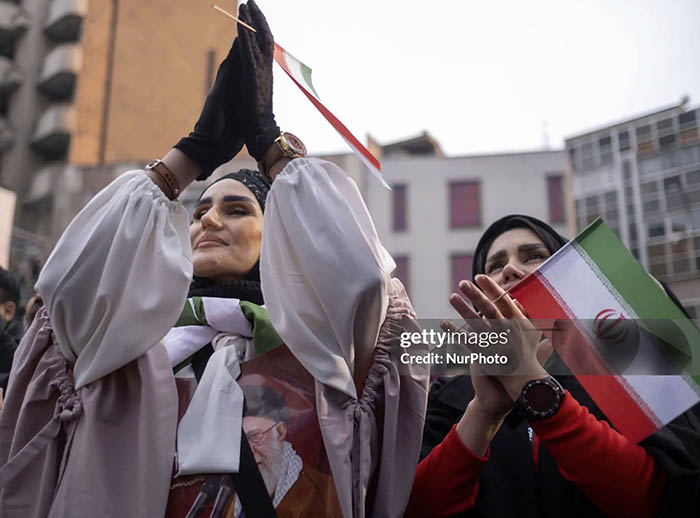
Historical Examples of Symbolic Resistance
Throughout history, oppressed societies have used symbols to challenge authoritarian regimes:
- The Civil Rights Movement in the United States: The use of the white and black colors, the raised fist, and the iconic image of Martin Luther King Jr. galvanized the movement for racial equality.
- Apartheid-era South Africa: The defiant display of the South African flag, black-and-white imagery, and songs like “Nkosi Sikelel’ iAfrika” became symbols of resistance.
- Anti-colonial struggles in Asia and Africa: Emblems like the Pan-African flag, national flags, and traditional dress served as rallying points for independence.
These examples demonstrate how symbols transcend physical acts of protest, embedding themselves into collective consciousness and inspiring ongoing resistance.
The Power of Cultural Memory and Oral Traditions
In many societies under repression, oral traditions—stories, songs, and folklore—serve as repositories of cultural memory. They preserve histories of resistance and hope:
- Storytelling: Elders pass down tales of past struggles, embedding lessons of resilience.
- Songs and chants: Used in protests and gatherings to reinforce unity and shared purpose.
- Traditional dances and rituals: Act as subtle acts of defiance, reaffirming cultural identity.
The Role of Women and Marginalized Groups
Women and marginalized communities often bear the brunt of repression but also serve as catalysts of change:
- Women’s participation: They organize protests, maintain cultural traditions, and act as moral anchors.
- Symbols of femininity and resilience: Clothing, jewelry, or traditional symbols worn during protests carry layered messages.
- Marginalized groups: Their collective voices challenge dominant narratives and expand the scope of resistance.
More stories

US–Israel–Iran War Demonstration in Washington, DC: Iranian Diaspora Rally for Freedom
Introduction On March 29, 2026, thousands gathered on the National Mall in Washington, DC near the iconic US Capitol to … Continue reading ➝
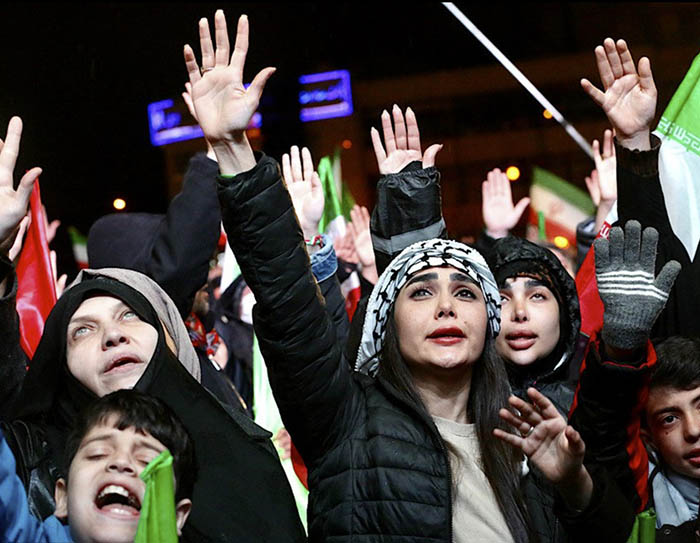
Night Gatherings in Tehran During Wartime in Vanak and the Transformation of Urban Space
Introduction Night gatherings in Tehran during wartime have become a significant aspect of urban life, particularly in central districts such … Continue reading ➝
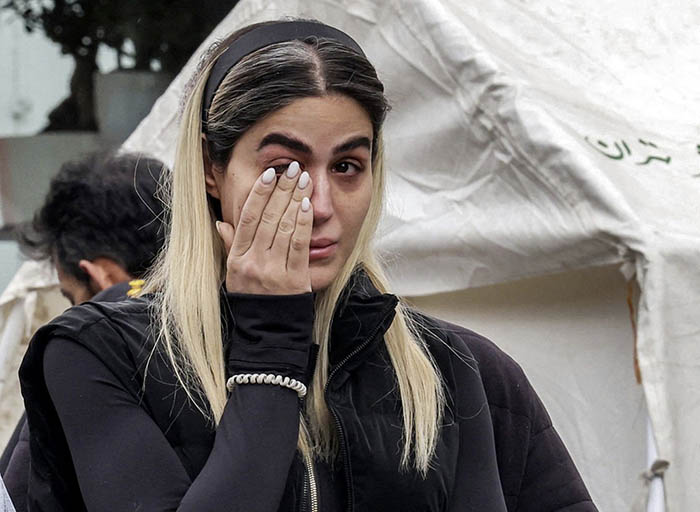
Missile Strike on Al-Arabi TV Office in Tehran Amid Escalating Iran–Israel Conflict
Introduction The rapidly escalating tensions in the Middle East reached a dramatic and alarming turning point as a missile strike … Continue reading ➝
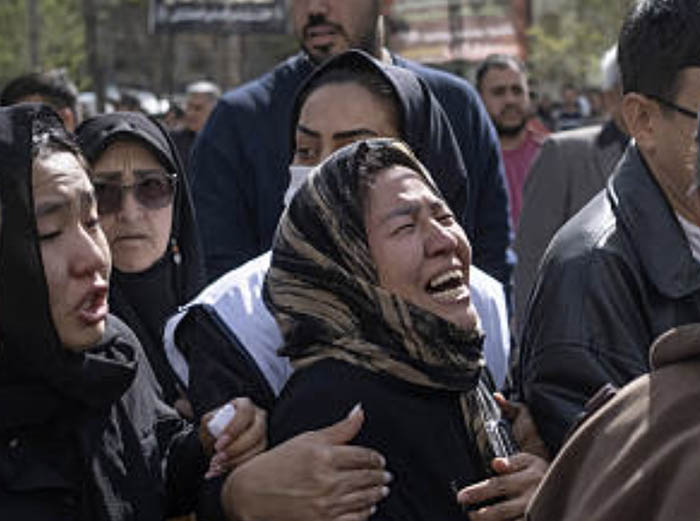
Despair in Afghan Neighborhood in Southern Tehran After Devastating Bombing
Introduction The narrow streets of an Afghan neighborhood in southern Tehran have fallen into a silence that feels heavier than … Continue reading ➝
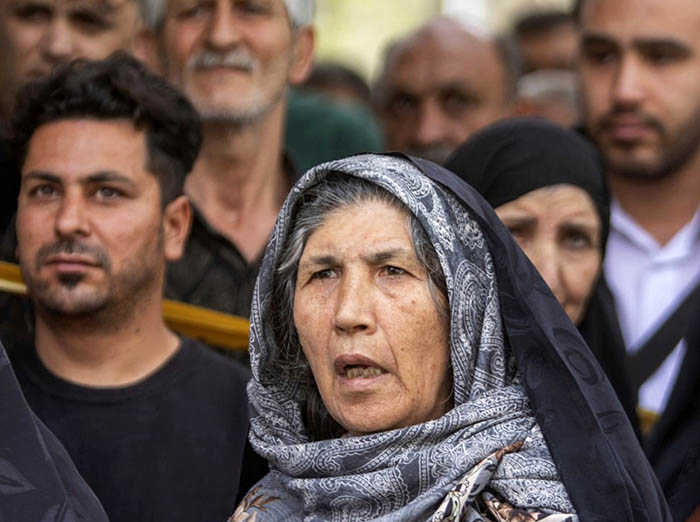
Residents in Shock After Missile Strikes Devastate Homes in Ray Amid Escalating War
Introduction Residents of Ray, a historic city just south of Tehran, woke to scenes of devastation and disbelief after midnight … Continue reading ➝