Tehran’s Gold Bazaar Amidst Inflation Crisis: Citizens Turn to Gold as Currency Collapses

Comparative Analysis with Other Hyperinflationary Economies
11.1 Zimbabwe (2000s)
Zimbabwe experienced hyperinflation exceeding 79.6 billion percent per month in 2008. Citizens turned to gold and foreign currencies, and the government eventually adopted the US dollar and South African rand.
11.2 Venezuela (2010s–2020s)
Venezuela’s economic crisis involved hyperinflation reaching over 10 million percent. Citizens used cryptocurrencies, gold, and barter to preserve value.
11.3 Lessons from Comparative Cases
- Gold and cryptocurrencies serve as effective hedges.
- State-led monetary reforms are crucial but often slow.
- Socioeconomic stability depends on inclusive policies and international cooperation.
More stories
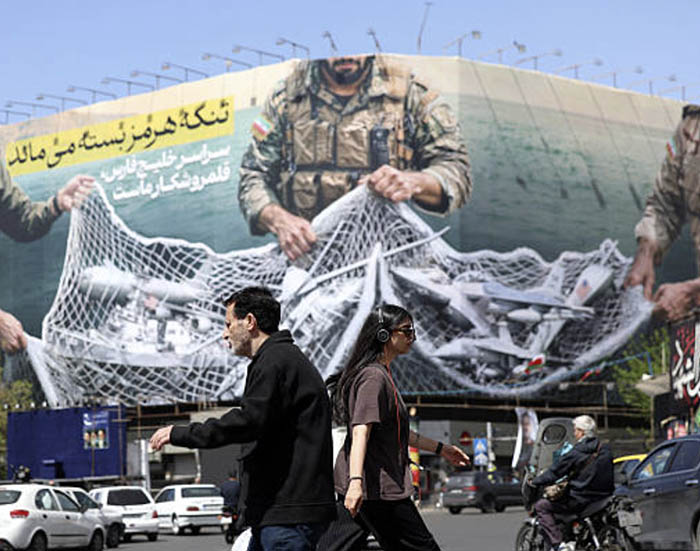
Strait of Hormuz Crisis 2026: Propaganda Posters in Enghelab Square
Introduction In the heart of Tehran, specifically at Enghelab Square, a massive propaganda banner has emerged as one of the … Continue reading ➝

US State Department Arrests Relative of Qassem Soleimani: Immigration Crackdown, National Security Concerns
Introduction The recent announcement by the United States Department of State regarding the arrest and revocation of permanent residency for … Continue reading ➝

Damage to Golestan Palace Amid Iran–Israel–US Conflict: Cultural Heritage at Risk
Introduction The unfolding Iran–Israel–US conflict in 2026 has not only intensified geopolitical tensions in the Middle East but has also … Continue reading ➝
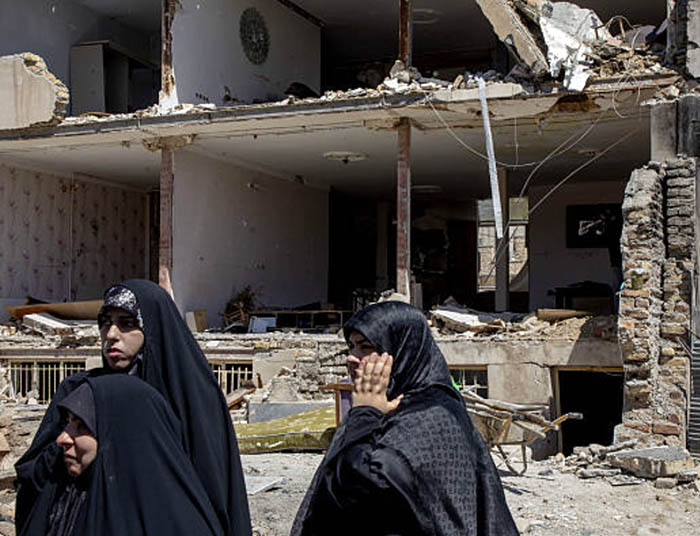
U.S.-Israeli Military Operations: Full Analysis of the 2026 Middle East Conflict
Introduction The escalating conflict involving United States, Israel, and Iran has rapidly evolved into one of the most dangerous geopolitical … Continue reading ➝

13 Bedar in Tehran: Celebrating Life on the Frontline of War
Introduction In the heart of Tehran, where headlines often speak of geopolitical tension, military escalation, and uncertainty, a different story … Continue reading ➝