Tehran Homes of Famous Pre-Revolution Singers: Hayedeh, Mahasti, Homeyra, Googoosh, Aref and Hassan Shamaizadeh
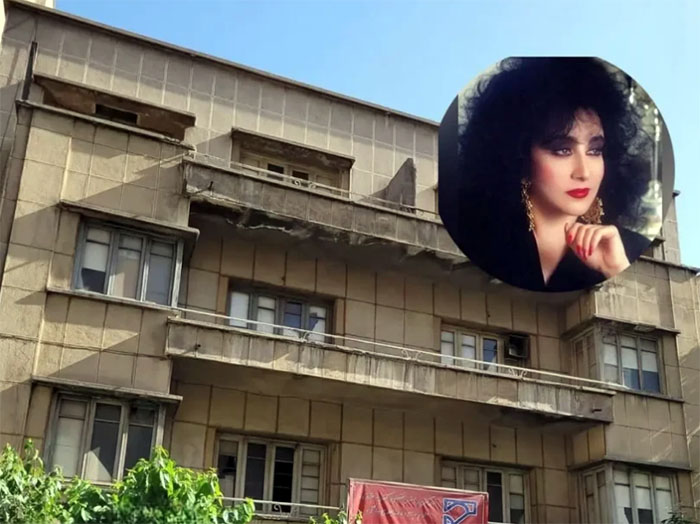
Mahasti’s Former Home in Tehran
Another major name associated with the circulated images is Mahasti, one of the most famous female Persian singers of the twentieth century.
Mahasti and Hayedeh are frequently discussed together because of their enormous influence on Iranian popular music and their enduring popularity among Persian-speaking audiences.
Mahasti developed a distinctive vocal identity that made her one of the best-known female singers of her generation.
Like other major Iranian artists of the pre-revolution period, she was part of a cultural environment in which music, television, radio and cinema were deeply interconnected.
Her former Tehran residence is therefore of interest not only to fans of Mahasti but also to people researching the history of Tehran during the decades before the revolution.
The rediscovery and circulation of images associated with the house illustrate the continuing fascination with the private spaces of famous Iranian artists.
For younger generations who did not experience pre-revolution Tehran firsthand, such images provide a visual entry point into an earlier period.
The architecture of a residential building can reveal details that photographs of concerts or television appearances cannot.
The facade, windows, entrance, garden arrangements, walls and surrounding streets can all provide clues about the residential character of Tehran at the time.
Mahasti and Iranian Popular Music
Mahasti occupies a special position in Persian popular music.
Her voice became familiar to millions of listeners, and her songs continued to circulate long after the end of the pre-revolutionary music industry in Iran.
Her career also illustrates the importance of female singers in the development of modern Persian popular culture.
During the decades before the revolution, Iranian women were prominent participants in the country’s entertainment industry. Female singers appeared on radio and television and developed major fan bases.
The homes associated with artists such as Mahasti and Hayedeh consequently represent more than private residences.
They are physical reminders of an era in which women were highly visible within Iran’s popular music culture.
The continued interest in these homes also demonstrates that the cultural legacy of pre-revolutionary female singers remains powerful.