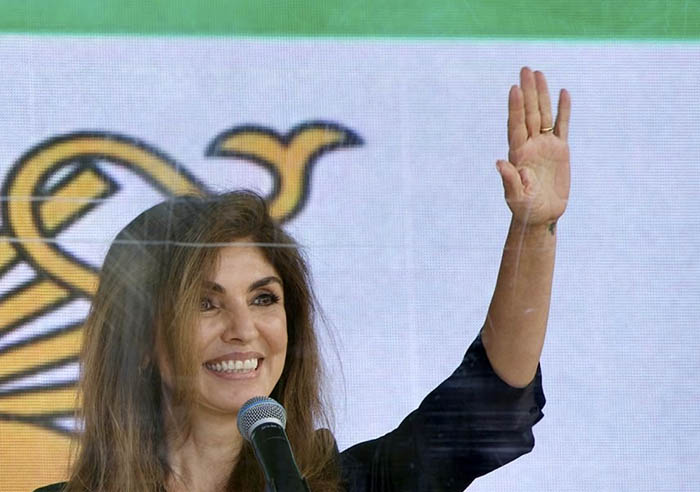
Taraneh Alidoosti Controversy 2026: Social Media Reactions, Political Implications, and the Role of Celebrities in Unrest
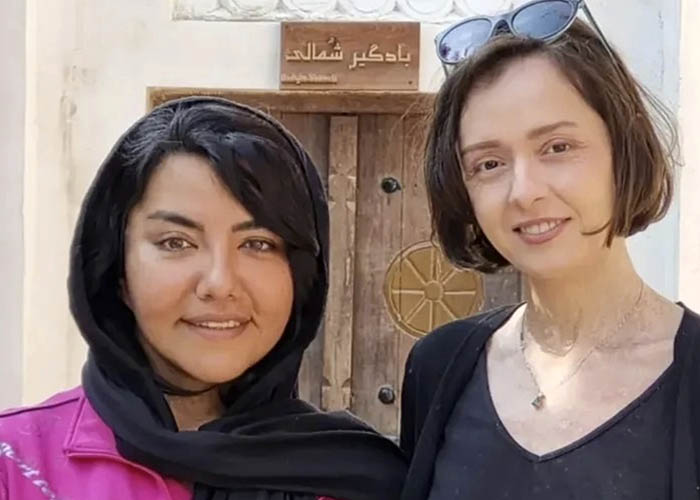
To understand the controversy surrounding Alidoosti’s photos, it’s essential to grasp the broader political and social context of Iran in 2026.
The January 2026 Protests
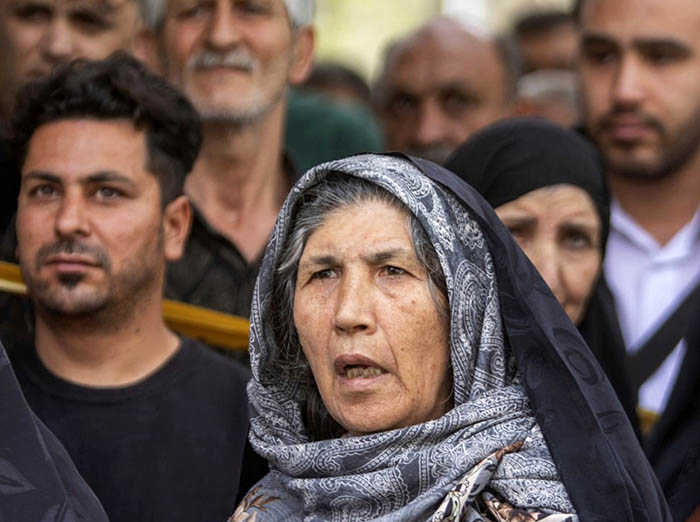
Iran has experienced waves of protests over the past decade, often sparked by economic hardship, political repression, and demands for civil liberties. The year 2026 marked a particularly tense period, with nationwide demonstrations demanding justice, transparency, and accountability from the government.
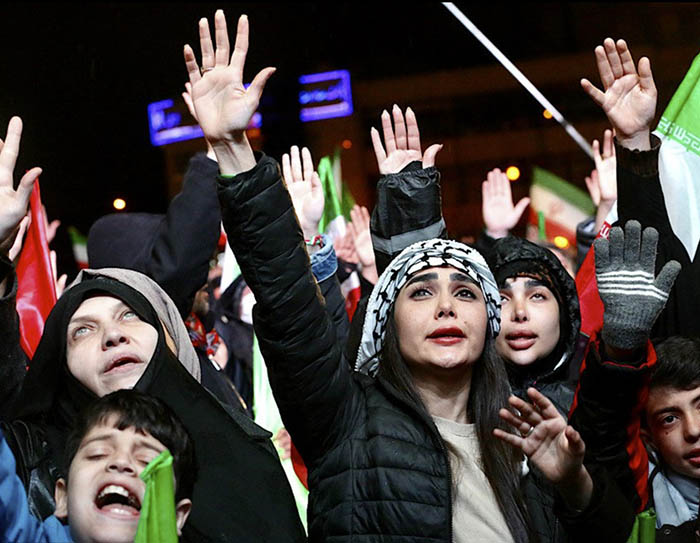
The protests began in early January as a response to rising inflation, unemployment, and corruption scandals. Students, workers, activists, and ordinary citizens took to the streets in various cities, including Tehran, Mashhad, Isfahan, and Shiraz. The government responded with force, deploying security forces to quell demonstrations, leading to numerous injuries and casualties.
Despite government crackdowns, the protests persisted, evolving into a broader movement advocating for social reform and greater political freedoms. The unrest was widely covered on social media, with videos and images circulating globally, drawing international attention.
The Role of Social Media
Social media platforms like Twitter, Instagram, and Telegram played a crucial role in mobilizing protesters and spreading information. Iranian activists used hashtags, live streams, and clandestine channels to coordinate demonstrations and share news of government violence.
The government, in turn, attempted to control the narrative by blocking websites, arresting social media users, and spreading disinformation. Still, the digital space became a battleground for influence, with celebrities and public figures weighing in on social issues.
The Political Landscape
Iran’s political climate in 2026 remains turbulent. Hardline factions maintain control over key institutions, while reformist and moderate groups continue to push for change. The Supreme Leader’s influence remains dominant, but societal frustrations have led to increased calls for reform, especially among youth and intellectuals.
The recent protests have also seen the emergence of opposition figures and exiled activists gaining prominence, challenging the status quo. The situation remains fragile, with uncertainty about future developments.
February 20, 2026 | 8:31 am