Prominent Women Leaders Meet with Supreme Leader: Zhila Sadeghi
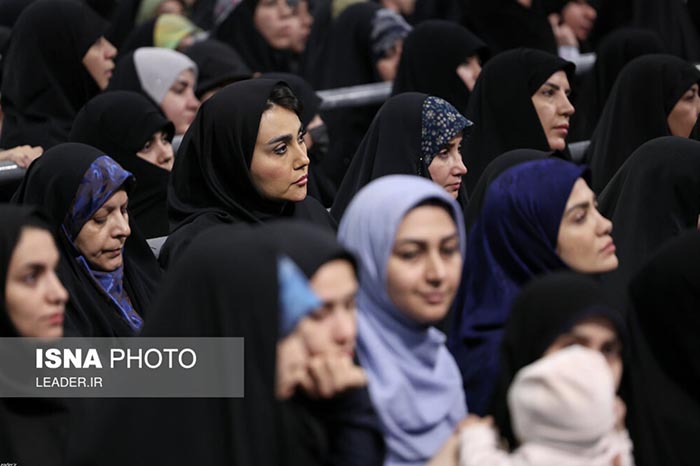
Section 1: The Context of the Meeting
To fully grasp the importance of this gathering, it is essential to understand the historical and cultural context of women’s roles in Iran. Over the centuries, Iranian women have played vital roles in society, from cultural and religious contributions to political activism. However, their participation has often been challenged by social and political restrictions, especially following the 1979 Islamic Revolution.
The revolution brought significant changes to Iranian society, including the implementation of Islamic laws that affected women’s dress, mobility, and participation in public life. Despite these restrictions, Iranian women have continually demonstrated resilience and activism, pushing for greater rights and recognition. Their efforts have ranged from grassroots movements to prominent leadership roles in various sectors.
Husseiniyeh Khomeini, a religious and political center located in Tehran, has historically been a hub for significant national events, religious gatherings, and political discourse. Hosting a meeting of women leaders at such a revered site symbolizes a confluence of religious authority and societal progress. It signals an acknowledgment of women’s importance in the fabric of Iranian society and a step toward integrating their voices into national dialogues.
In recent years, there has been a growing movement among Iranian women advocating for their rights, education, and participation in governance. While facing societal and governmental hurdles, these women continue to challenge stereotypes and push for reform. The current political climate, marked by cautious openness and ongoing activism, provides a unique backdrop for this historic meeting.
Recap of the Importance of Women’s Leadership in Iran
The gathering at Husseiniyeh Khomeini signifies more than a symbolic gesture; it embodies a collective aspiration for societal inclusion, gender equality, and national progress. Women leaders like Zhila Sadeghi, Ms. Baziq, and Azita Tarkashvand have demonstrated that women’s voices and leadership are vital to Iran’s future.
The Symbolic Significance of the Meeting at Husseiniyeh Khomeini
Held at a landmark religious and political institution, the event bridges tradition and modernity, faith and progress. It signals a willingness within Iran’s leadership to embrace a more inclusive vision—one that recognizes women’s contributions as integral to societal stability and growth.
Call to Action for Continued Progress and Support for Women’s Rights
While this moment is historic, it must be followed by tangible actions—legal reforms, societal acceptance, and cultural transformation. Continued advocacy, education, and dialogue are essential to realize the full potential of women in Iran.
The path toward gender equality is ongoing, but events like this inspire hope, resilience, and a shared commitment to building a more equitable society.
December 3, 2025 | 4:46 pm