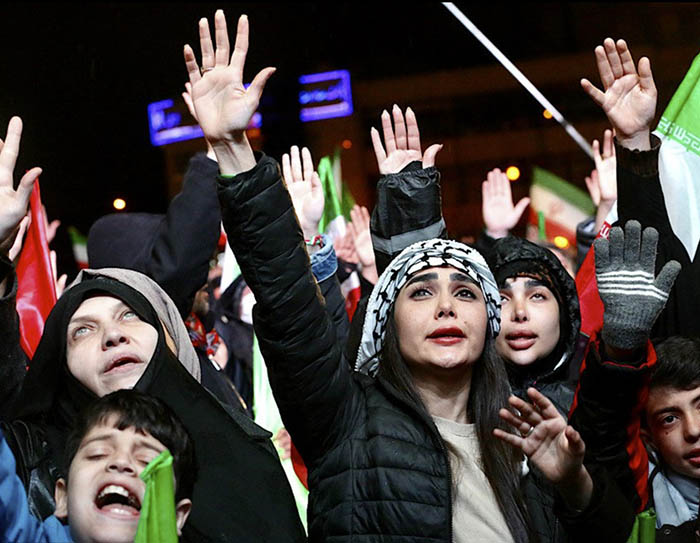
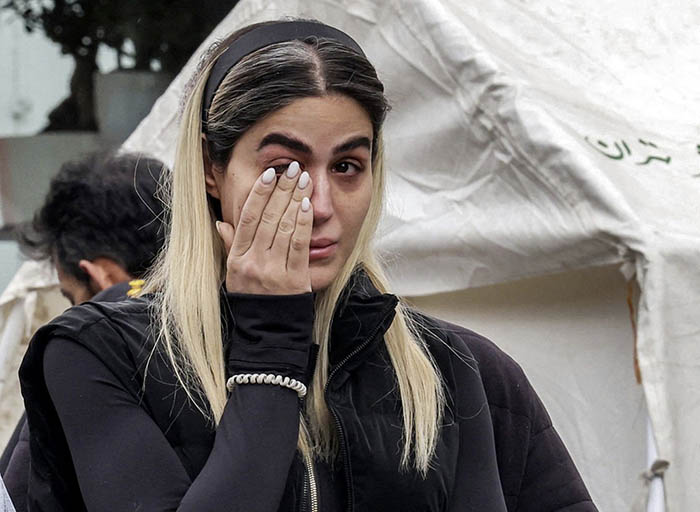
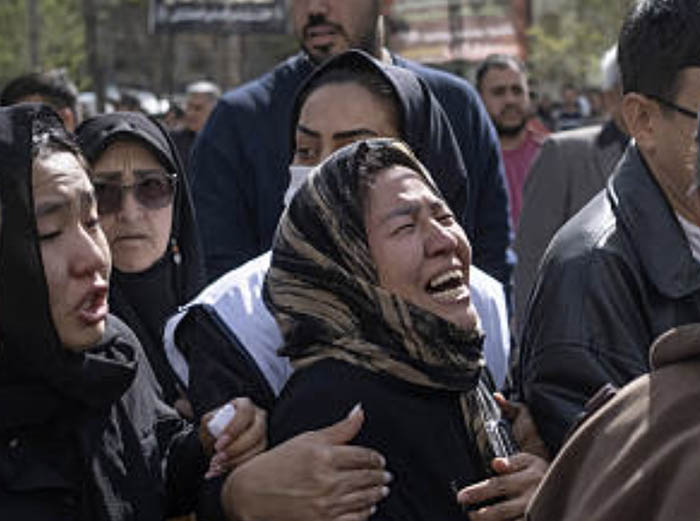
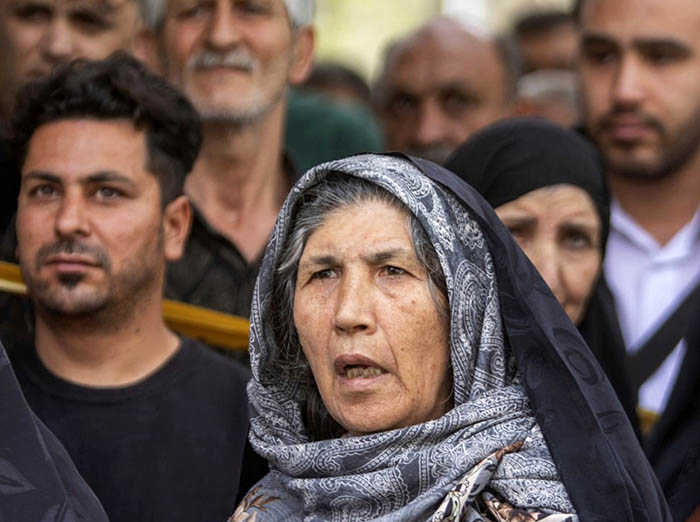
Solidarity Demonstration in Turin: Global Protest Against Regime and Human Rights Violations
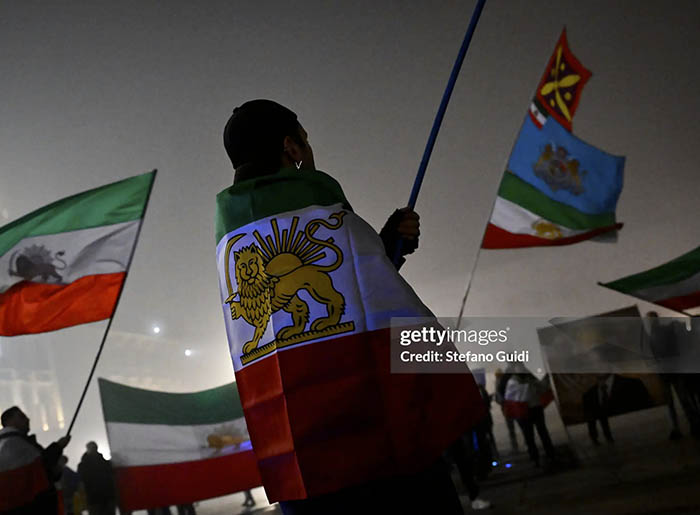
1.1 The Roots of Iranian Civil Unrest
Iran has a long history of political activism and civil unrest, dating back to the 20th century. Since the 1979 Islamic Revolution, the country has experienced periodic protests fueled by economic hardship, political repression, and social restrictions.
1.2 The 2019-2020 Iran Protests
The recent wave of protests began in November 2019, triggered by an increase in fuel prices. The Iranian government’s harsh crackdown resulted in hundreds of deaths and thousands of arrests. The protests highlighted public frustration over corruption, economic mismanagement, and authoritarian rule.
1.3 The Role of Social Media and Technology
Iranian protesters have increasingly used social media platforms like Twitter, Telegram, and Instagram to organize rallies, share information, and bypass state-controlled media censorship. Despite internet shutdowns, the resilience of digital activism has been a key feature of recent protests.
1.4 The 2022-2023 Women’s Rights Movement
Women in Iran have been at the forefront of protests advocating for gender equality, demanding the abolition of mandatory hijab laws, and fighting against systemic discrimination. The death of Mahsa Amini in 2022 became a catalyst for nationwide demonstrations.
January 29, 2026 | 6:48 pm