Sidelines of the 13th of Aban Ceremony: National Day of Struggle Against Global Arrogance
Broader International Reactions and Strategic Implications
Western Countries’ Responses
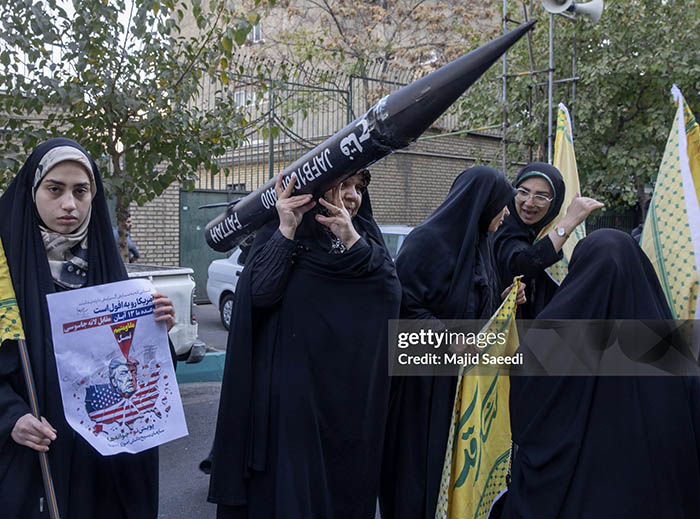
Western governments, particularly the United States and its allies, often view the 13th of Aban march as a display of hostility and resistance to diplomacy. Media coverage in the West tends to emphasize Iran’s anti-Western slogans, framing the event as a sign of ongoing hostility.
However, some analysts argue that Iran’s resistance rhetoric is a strategic tool to consolidate domestic support and project strength amid economic sanctions and diplomatic isolation. The event underscores Iran’s unwavering stance, which complicates efforts for diplomatic engagement and negotiations.
Iran’s Diplomatic and Geopolitical Strategy
Iran’s leadership uses the symbolism of the 13th of Aban to reinforce its narrative of resistance and independence. Diplomatic efforts are often framed within this context, emphasizing that Iran seeks to defend its sovereignty and regional interests.
In recent years, Iran has sought to expand its alliances with non-Western countries, including China and Russia, as part of a broader strategy to counterbalance Western influence. The event’s messaging aligns with this approach, emphasizing self-reliance and resistance to external pressures.
Impact on Regional Stability and Security
The march and its messages influence regional stability, as Iran’s stance often heightens tensions with neighboring countries, especially those aligned with Western interests. The event underscores Iran’s commitment to supporting resistance groups and maintaining regional influence, which can escalate conflicts or serve as a deterrence.
However, it also opens avenues for regional diplomacy aimed at reducing tensions while respecting Iran’s sovereignty.
November 4, 2025 | 7:46 pmMore stories

Kylie Jenner Makes Victoria’s Secret Fashion Show Debut in $50 Million Fantasy Bra
Introduction Babak Takhti is an Iranian writer, publisher and the only son of Gholamreza Takhti, the legendary Iranian freestyle wrestler … Continue reading ➝
Who Is Babak Takhti? Gholamreza Takhti’s Only Son, His Family, Career, and His Father’s Controversial Death
Introduction Babak Takhti is an Iranian writer, publisher and the only son of Gholamreza Takhti, the legendary Iranian freestyle wrestler … Continue reading ➝
Azita Hajian, Mehraveh Sharifinia and Melika Sharifinia Attend Cafe Soltan Private Screening at Megamall Cinema
Introduction The private screening of Cafe Soltan, the Iranian feature film directed by Mostafa Razagh-Karimi and produced by Morteza Razagh-Karimi, … Continue reading ➝

Bot (Bet) Movie: Hamid Nematollah’s Drama Holds Private Screening at Galleria Cinema Complex
Introduction The Iranian social drama Bot, also transliterated as Bet and associated with the English title Idol, has attracted attention … Continue reading ➝
10 Fascinating Stories About Most Famous Actresses: Behind-the-Scenes Secrets From Iconic Films and TV Shows
Introduction 1. Gohar Kheirandish in Banoo: The Makeup That Could Not Hide Her Beauty Film: Banoo (The Lady) Director: Dariush … Continue reading ➝