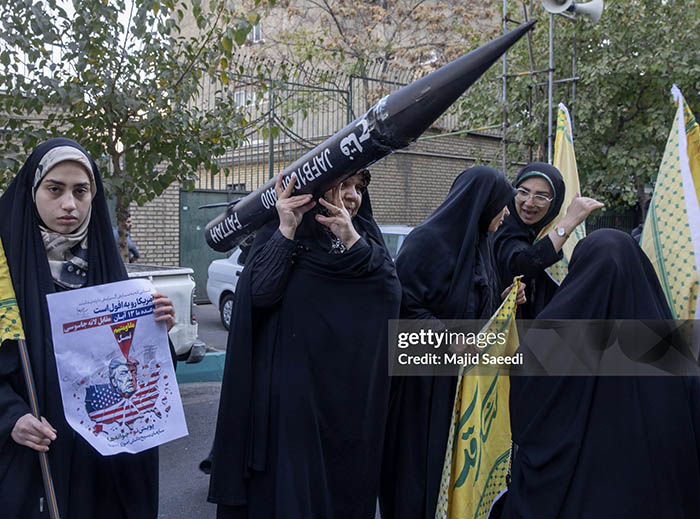
Sidelines of the 13th of Aban Ceremony: National Day of Struggle Against Global Arrogance
Broader International Reactions and Strategic Implications
Western Countries’ Responses
Western governments, particularly the United States and its allies, often view the 13th of Aban march as a display of hostility and resistance to diplomacy. Media coverage in the West tends to emphasize Iran’s anti-Western slogans, framing the event as a sign of ongoing hostility.
However, some analysts argue that Iran’s resistance rhetoric is a strategic tool to consolidate domestic support and project strength amid economic sanctions and diplomatic isolation. The event underscores Iran’s unwavering stance, which complicates efforts for diplomatic engagement and negotiations.
Iran’s Diplomatic and Geopolitical Strategy
Iran’s leadership uses the symbolism of the 13th of Aban to reinforce its narrative of resistance and independence. Diplomatic efforts are often framed within this context, emphasizing that Iran seeks to defend its sovereignty and regional interests.
In recent years, Iran has sought to expand its alliances with non-Western countries, including China and Russia, as part of a broader strategy to counterbalance Western influence. The event’s messaging aligns with this approach, emphasizing self-reliance and resistance to external pressures.
Impact on Regional Stability and Security
The march and its messages influence regional stability, as Iran’s stance often heightens tensions with neighboring countries, especially those aligned with Western interests. The event underscores Iran’s commitment to supporting resistance groups and maintaining regional influence, which can escalate conflicts or serve as a deterrence.
However, it also opens avenues for regional diplomacy aimed at reducing tensions while respecting Iran’s sovereignty.
November 4, 2025 | 7:46 pmMore stories

Coffee Under Fire: The Resilience of Café Culture in Tehran During Wartime
Introduction Tehran has always been a city of paradoxes—restless yet restrained, modern yet steeped in history. In times of war, … Continue reading ➝
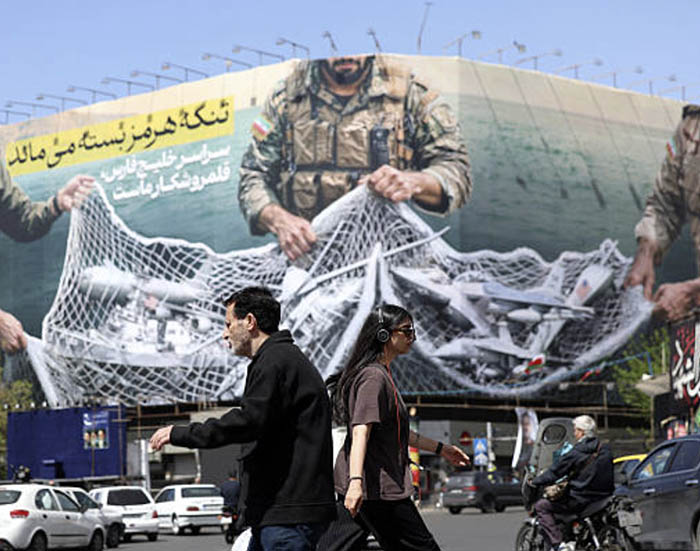
Strait of Hormuz Crisis 2026: Propaganda Posters in Enghelab Square
Introduction In the heart of Tehran, specifically at Enghelab Square, a massive propaganda banner has emerged as one of the … Continue reading ➝
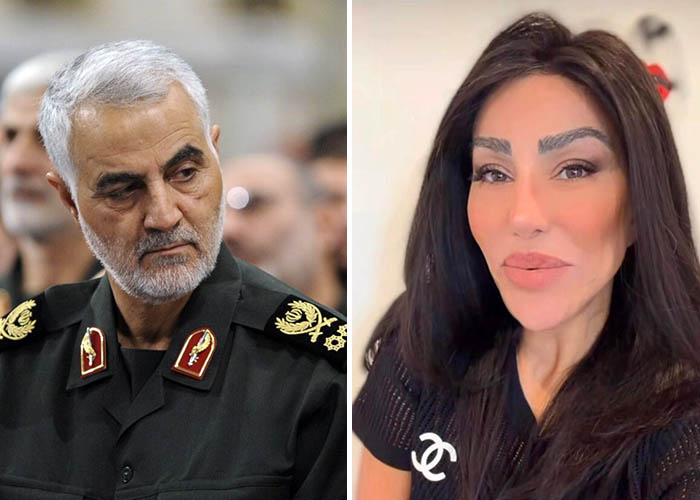
US State Department Arrests Relative of Qassem Soleimani: Immigration Crackdown, National Security Concerns
Introduction The recent announcement by the United States Department of State regarding the arrest and revocation of permanent residency for … Continue reading ➝
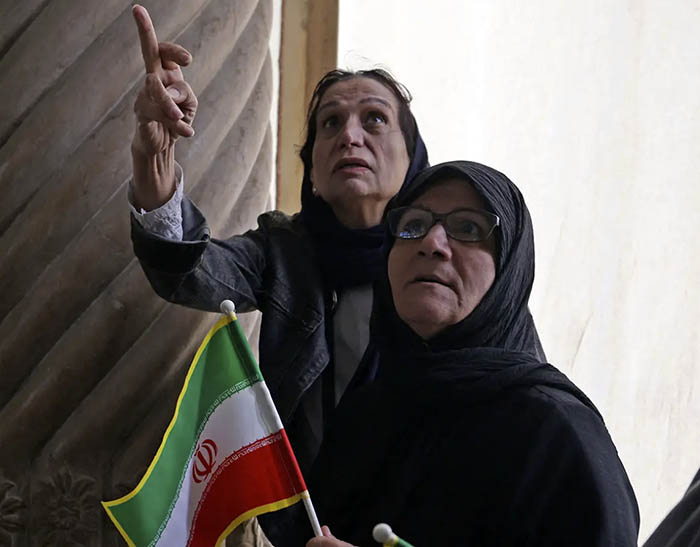
Damage to Golestan Palace Amid Iran–Israel–US Conflict: Cultural Heritage at Risk
Introduction The unfolding Iran–Israel–US conflict in 2026 has not only intensified geopolitical tensions in the Middle East but has also … Continue reading ➝
U.S.-Israeli Military Operations: Full Analysis of the 2026 Middle East Conflict
Introduction The escalating conflict involving United States, Israel, and Iran has rapidly evolved into one of the most dangerous geopolitical … Continue reading ➝