Setareh Pesiani and Pasha Rostami: An Artistic Journey in Iranian Cinema and Theater

Setareh’s career has been marked by a consistent ability to choose challenging and impactful roles, leading to significant critical acclaim and prestigious awards. Her performances in films such as “Yedo,” “Leather Jacket,” and “I’m Afraid” have garnered particular attention, earning her awards at the Fajr Film Festival, Iran’s most important film event. Winning these awards is not merely a personal achievement; it is a significant recognition within the Iranian film industry, signaling an actor’s talent and contribution to the national cinematic landscape. Analyzing the specific qualities of her performances in these films – perhaps the vulnerability she brought to a certain character, the intensity of her emotional portrayal, or the subtlety of her physical performance – would illuminate the reasons behind her critical success. These roles likely demanded a high level of skill and emotional intelligence, further demonstrating her growth as an actress.
Her collaborations with renowned Iranian directors have also played a crucial role in shaping her artistic trajectory. Working with established filmmakers like Dariush Farhang, Pouria Azarbaijani, Marzieh Boroumand, Masoud Foroutan, and Rasoul Sadrameli has exposed her to diverse directorial styles and artistic visions. Each director likely brought a unique perspective and approach to filmmaking, influencing Setareh’s understanding of character, narrative, and visual storytelling. Discussing the specific films she made with these directors and the impact these collaborations had on her development would provide valuable insight into her artistic journey. For instance, working with a director known for their social realism might have encouraged her to explore more nuanced and grounded portrayals, while collaborating with a director focused on visual aesthetics might have challenged her to think differently about how her physical presence contributes to the film’s overall impact.
Through her diverse roles and collaborations, Setareh Pesiani has developed an acting style characterized by its versatility and emotional resonance. She possesses a remarkable ability to inhabit a wide range of characters, from the deeply vulnerable to the fiercely independent, from the subtly comedic to the intensely dramatic. Her performances are often marked by a profound emotional honesty, drawing audiences into the inner lives of the characters she portrays. This ability to connect with the emotional core of a role, coupled with her technical skill honed through years of theatrical experience, makes her a compelling and captivating presence on screen and stage. Analyzing specific moments from her performances, perhaps a particular scene that highlights her emotional range or her ability to convey complex feelings with minimal dialogue, would further illustrate the depth of her acting prowess.
May 4, 2025 | 3:57 pmMore stories
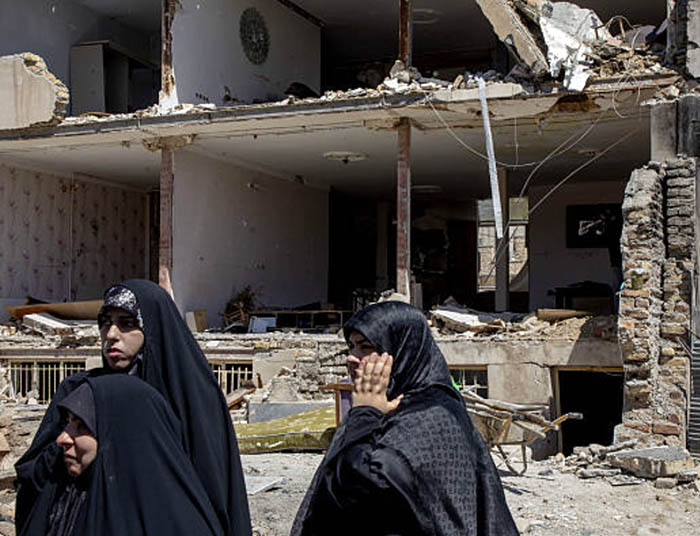
U.S.-Israeli Military Operations: Full Analysis of the 2026 Middle East Conflict
Introduction The escalating conflict involving United States, Israel, and Iran has rapidly evolved into one of the most dangerous geopolitical … Continue reading ➝
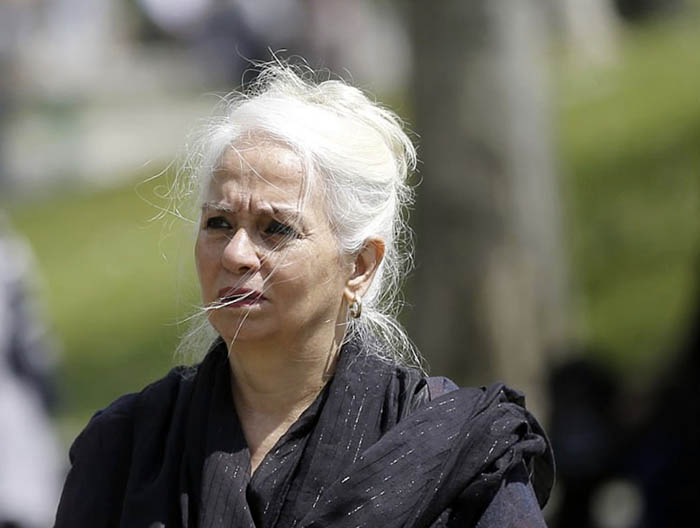
13 Bedar in Tehran: Celebrating Life on the Frontline of War
Introduction In the heart of Tehran, where headlines often speak of geopolitical tension, military escalation, and uncertainty, a different story … Continue reading ➝
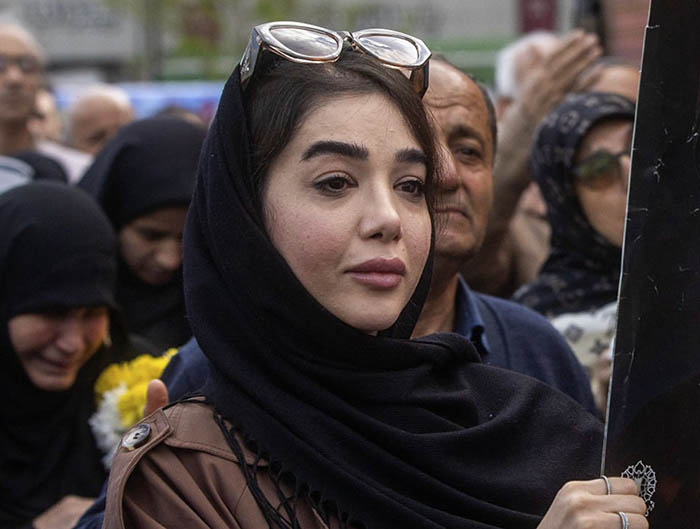
A Mournful Face at Tangsiri’s Funeral: Grief, Power, and Tension in Tehran
Introduction The image of a mournful face at the funeral of Alireza Tangsiri has become one of the most haunting … Continue reading ➝
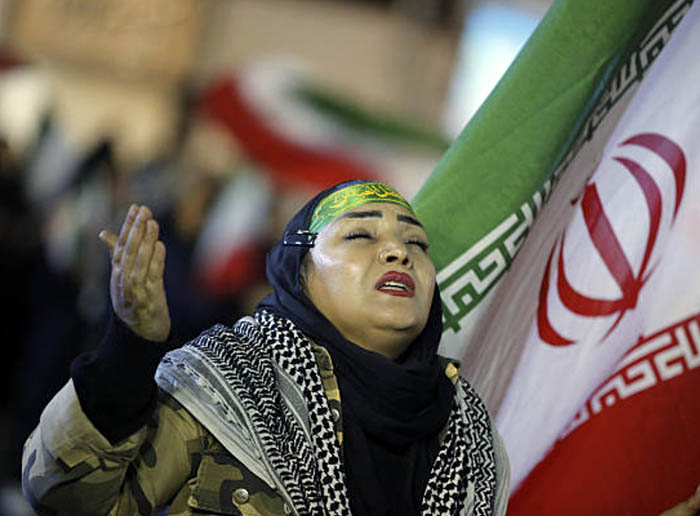
Israeli and U.S. Attacks on Spark Mass Protests in Tehran: Rising Middle East Tensions in 2026
Introduction In a dramatic escalation of tensions in the Middle East, mass protests erupted in Tehran following reports of coordinated … Continue reading ➝
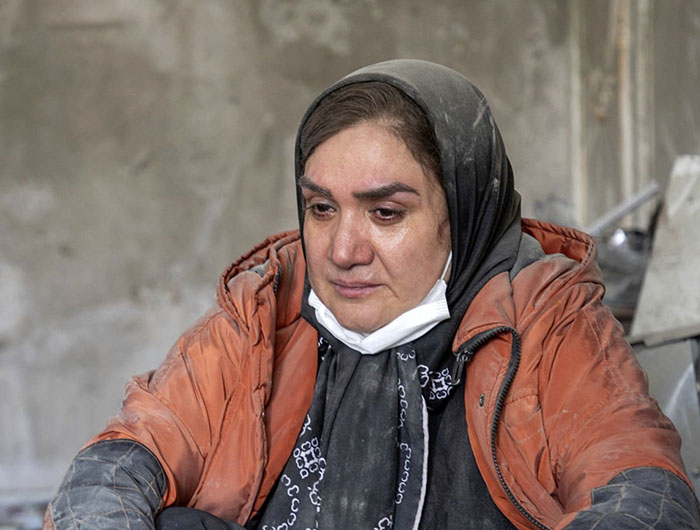
The Sorrow of Destruction in West Tehran: Inside the Human Cost of the War
Introduction The city of Tehran woke to devastation on March 30, 2026. In the western districts of Iran’s capital, residential … Continue reading ➝