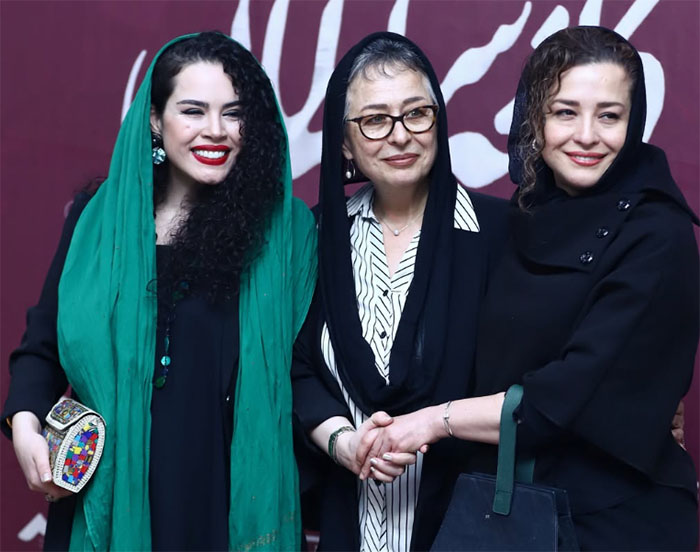
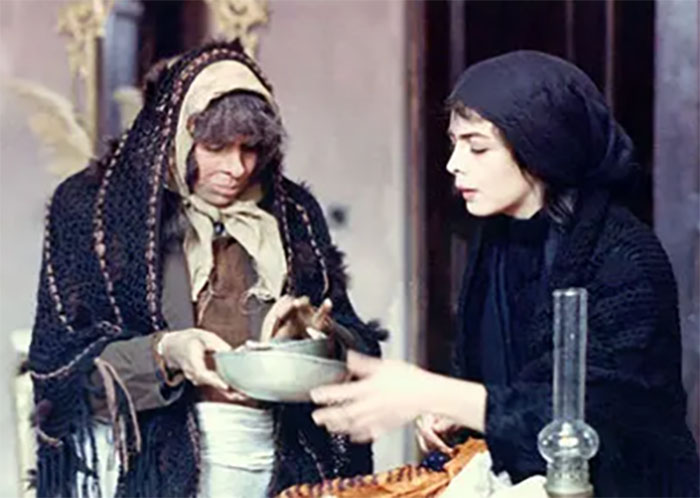
IRNA News Agency Photos of Sara Kanani Spark Debate Over Hijab Policies in Media
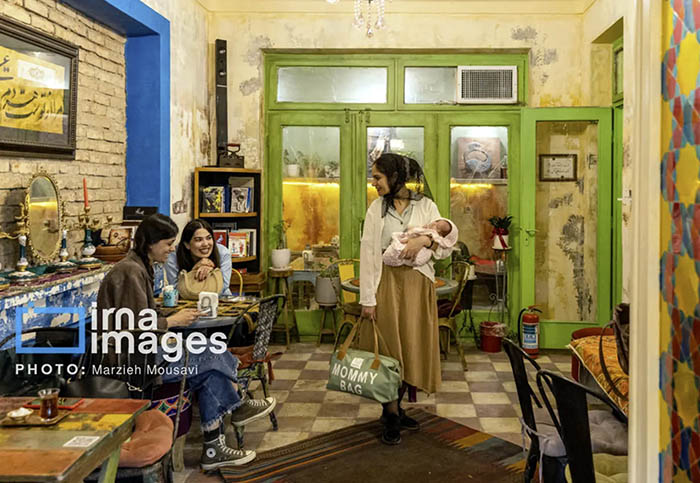
Why the Removal of the Photos Increased Attention
One of the most important factors behind the expansion of the controversy was the reported removal of some photographs from IRNA’s website.
In the digital era, deleting content often attracts even greater public attention than the original publication. Once screenshots began circulating online, attempts to remove or edit the report became interpreted by many users as confirmation that the images had crossed institutional boundaries.
Media Censorship and Public Trust
The controversy also reopened long-standing discussions about censorship and public trust in official institutions.
Critics of state media argued that removing the images reinforced perceptions that official organizations remain uncomfortable with authentic portrayals of everyday life.
Some users claimed that censorship damages institutional credibility by creating the impression that authorities fear ordinary social realities.
Supporters of stricter editorial control, however, argued that state media organizations have legal and cultural responsibilities requiring adherence to official standards.
These competing viewpoints reflect broader divisions within Iranian society regarding the role of government, religion, media freedom, and cultural identity.
Public trust in media institutions increasingly depends on perceptions of transparency and authenticity. In the digital age, audiences often react negatively when content disappears after publication, particularly if screenshots remain accessible elsewhere online.
The Sara Kanani case therefore became part of larger conversations about whether state media can maintain credibility while operating under strict cultural constraints.
Women, Visibility, and Public Debate
Questions surrounding women’s visibility in public and media spaces remain among the most sensitive and politically charged issues in Iran.
Over recent years, debates over compulsory hijab, women’s rights, gender equality, and public representation have intensified both domestically and internationally.
Women’s appearance in media often becomes symbolic of broader ideological struggles between tradition and reform, state authority and personal freedom, religious values and social transformation.
Because of this context, the images linked to Sara Kanani carried significance beyond the individual herself.
Supporters of reform interpreted the photographs as a glimpse of ordinary reality and a challenge to rigid media norms.
Conservative critics viewed them as evidence of declining institutional discipline.
The intensity of reactions demonstrates how women’s representation continues functioning as a symbolic battleground in Iranian politics and culture.
May 19, 2026 | 8:35 pm