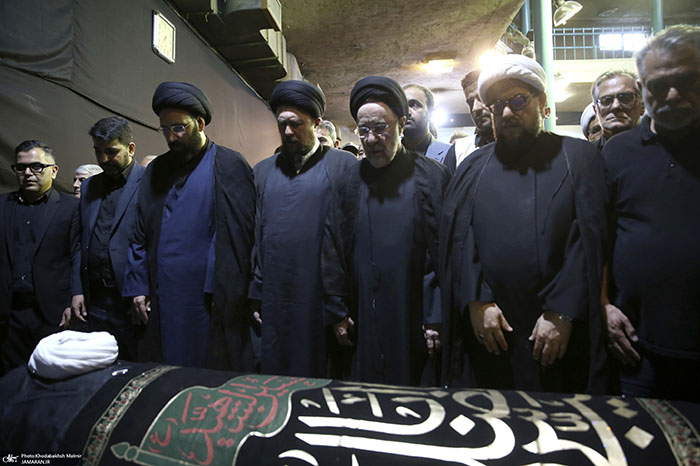
The Sad Faces of Mohammad Khatami and Hassan Khomeini at a Funeral Ceremony
Connecting with the Public
In a society where public displays of emotion by political leaders are rare, the visible sadness of Khatami and Khomeini serves to humanize them. This emotional connection can bridge the gap between leaders and citizens, fostering a sense of solidarity and empathy. It allows the public to see their leaders not just as political figures but as individuals who share in their sorrows and losses.
The shared experience of grief can also serve as a unifying force, bringing people together in a moment of collective mourning. This unity is particularly important in times of national crisis or uncertainty, providing a sense of stability and resilience.
The Role of Media and Public Perception
The portrayal of Khatami and Khomeini’s sadness by the media also plays a crucial role in shaping public perception. In a country where media coverage of political figures is tightly controlled, the images of their grief are powerful and evocative. They convey a message of vulnerability and humanity that resonates deeply with the public.
The media’s role in capturing and disseminating these moments of sorrow can influence public sentiment and foster a greater understanding of the personal dimensions of political life. It can also highlight the emotional toll of leadership and the sacrifices made by those in positions of power.
The Future of Reform and Leadership
The heartbreaking sad faces of Mohammad Khatami and Hassan Khomeini at the funeral ceremony serve as a reminder of the ongoing struggle for reform and the complex interplay between personal and political life in Iran.
July 18, 2024 | 5:30 pmMore stories
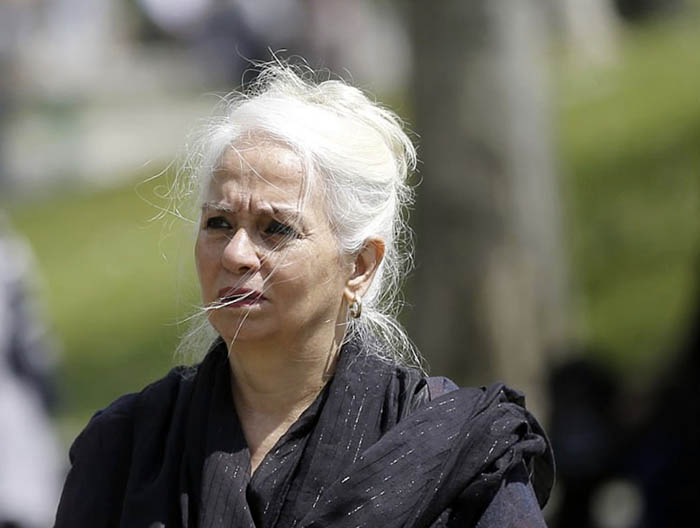
13 Bedar in Tehran: Celebrating Life on the Frontline of War
Introduction In the heart of Tehran, where headlines often speak of geopolitical tension, military escalation, and uncertainty, a different story … Continue reading ➝
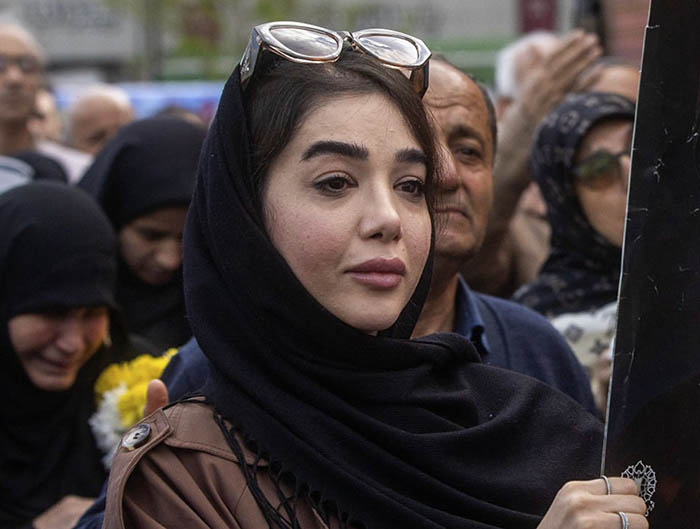
A Mournful Face at Tangsiri’s Funeral: Grief, Power, and Tension in Tehran
Introduction The image of a mournful face at the funeral of Alireza Tangsiri has become one of the most haunting … Continue reading ➝
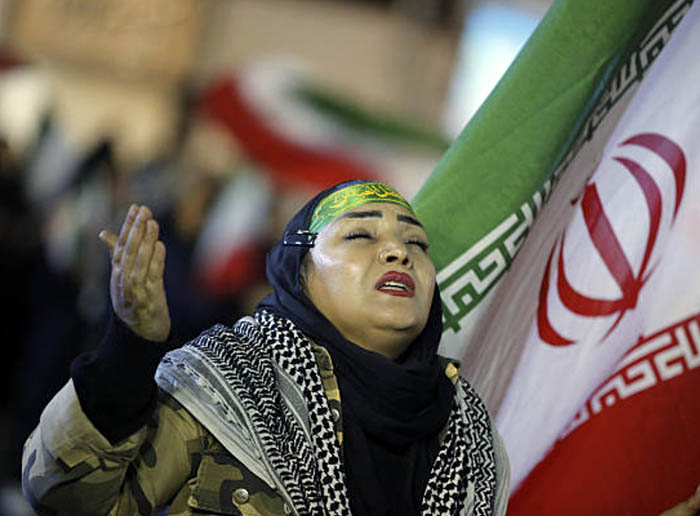
Israeli and U.S. Attacks on Spark Mass Protests in Tehran: Rising Middle East Tensions in 2026
Introduction In a dramatic escalation of tensions in the Middle East, mass protests erupted in Tehran following reports of coordinated … Continue reading ➝
The Sorrow of Destruction in West Tehran: Inside the Human Cost of the War
Introduction The city of Tehran woke to devastation on March 30, 2026. In the western districts of Iran’s capital, residential … Continue reading ➝
US–Israel–Iran War Demonstration in Washington, DC: Iranian Diaspora Rally for Freedom
Introduction On March 29, 2026, thousands gathered on the National Mall in Washington, DC near the iconic US Capitol to … Continue reading ➝