Russia Bans Photographers from State Duma Sessions: Political Implications, Historical Context, and Media Freedom Under Putin
The Recent Ban on Photographers in the Russian State Duma
The Announcement and Official Justification
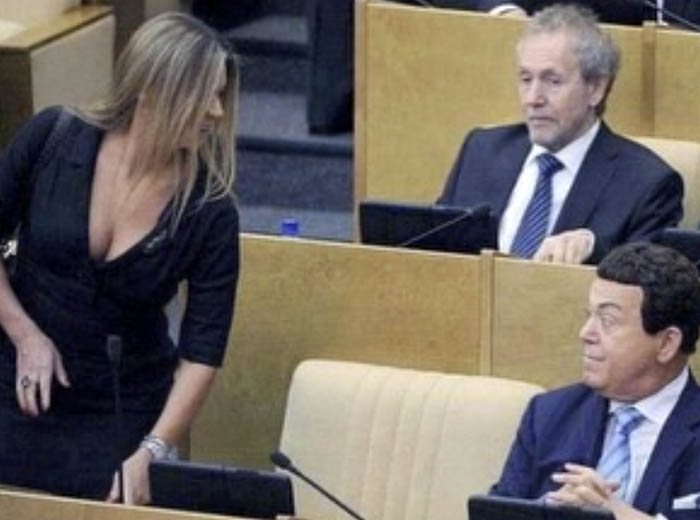
Recently, Russian lawmakers declared a new policy banning photographers from the floor of the State Duma during sessions. According to official statements, this measure was introduced following numerous complaints from deputies about unflattering images and the use of long-focus lenses by journalists and photographers.
Speaker Vyacheslav Volodin, an influential figure in Russian politics, publicly accused reporters of “portraying deputies in a negative light,” emphasizing the need to “protect the dignity of parliamentarians” and asserting that no timeline has been set for lifting the restriction.
The Role of Media and Photography in Russian Politics
Historically, Russian political institutions have been wary of media scrutiny. The ban on photography during parliamentary sessions marks a significant step toward controlling how politicians are portrayed both domestically and internationally.
The restriction limits journalists’ ability to document proceedings accurately and raises questions about transparency and accountability. Critics argue that such measures are designed to suppress dissent and prevent exposure of misconduct or unpopular decisions.
The Significance of the Presence of Alina Kabaeva
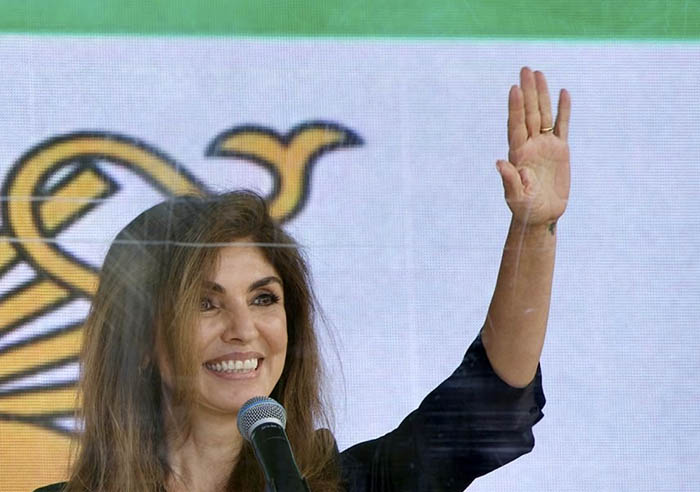
In one of the recent photos, Alina Kabaeva, a former Olympic gymnast and long rumored to be Vladimir Putin’s partner, is visible in the vicinity of the Duma. Her presence has fueled speculation about her role within the Russian political elite and her influence behind the scenes.
Kabaeva’s reputation as a close confidante of Putin and her mysterious rise to power make her appearance in public settings highly scrutinized. Her association with the Kremlin’s inner circle symbolizes the intertwining of personal relationships and political authority in Russia.
February 20, 2026 | 8:52 am