Russia Bans Photographers from State Duma Sessions: Political Implications, Historical Context, and Media Freedom Under Putin
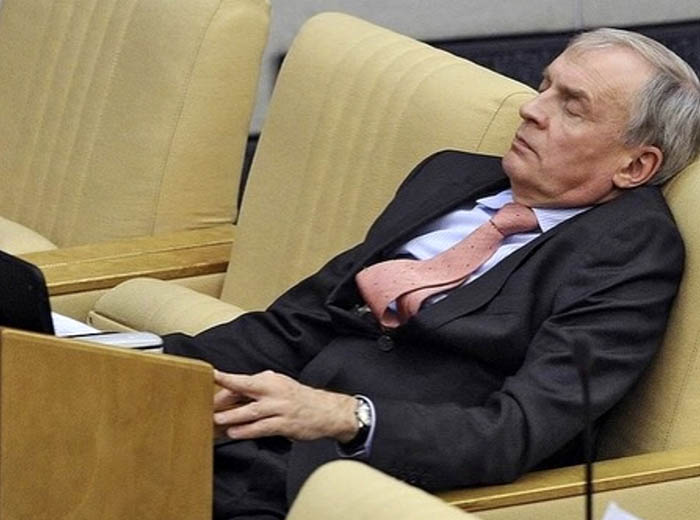
Deep Dive into Russia’s Political Evolution: From Yeltsin to Putin
The Collapse of the Soviet Union and the Birth of Russian Federation
The fall of the Soviet Union in 1991 was a pivotal moment that reshaped global geopolitics. Russia emerged as the primary successor state, inheriting a complex legacy of authoritarian rule, centralized power, and a command economy. Boris Yeltsin, Russia’s first president, promised democratic reforms but quickly faced the realities of a fragile state and burgeoning oligarchic influence.
Yeltsin’s tenure was marked by chaos, economic turmoil, and the erosion of the Soviet-era legislative structures. The dissolution of the Supreme Soviet and the declaration of a new constitution in 1993—implemented through a brutal constitutional crisis—laid the groundwork for the centralized authoritarianism that would follow.
The 1993 Constitutional Crisis and the Rise of Presidential Power
In 1993, Yeltsin’s attempt to consolidate executive power culminated in a confrontation with the Russian parliament, the Supreme Soviet. When the parliament opposed Yeltsin’s reforms and attempts to weaken its authority, the president dissolved the parliament and, following a political deadlock, ordered the military to shell the White House—an act that shocked the world.
This violent suppression led to the adoption of a new constitution that granted the president sweeping powers. The new legal framework effectively marginalized the parliament, setting a precedent for future authoritarian consolidation.
The Putin Era: From Reform to Authoritarianism
Vladimir Putin’s rise to power in 2000 marked a turning point. Initially perceived as a reformer with a background in the KGB and federal security services, Putin quickly centralized authority, silenced opposition, and curtailed media freedoms.
Under Putin, Russia’s political landscape shifted from a fragile democracy to a hybrid authoritarian regime. The manipulation of elections, suppression of dissent, and control of key institutions, including the judiciary and media, became hallmarks of his rule.
February 20, 2026 | 8:52 amMore stories
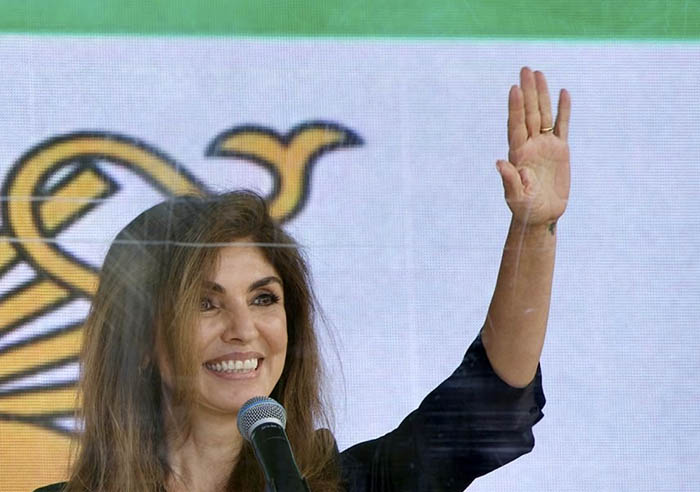
US–Israel–Iran War Demonstration in Washington, DC: Iranian Diaspora Rally for Freedom
Introduction On March 29, 2026, thousands gathered on the National Mall in Washington, DC near the iconic US Capitol to … Continue reading ➝
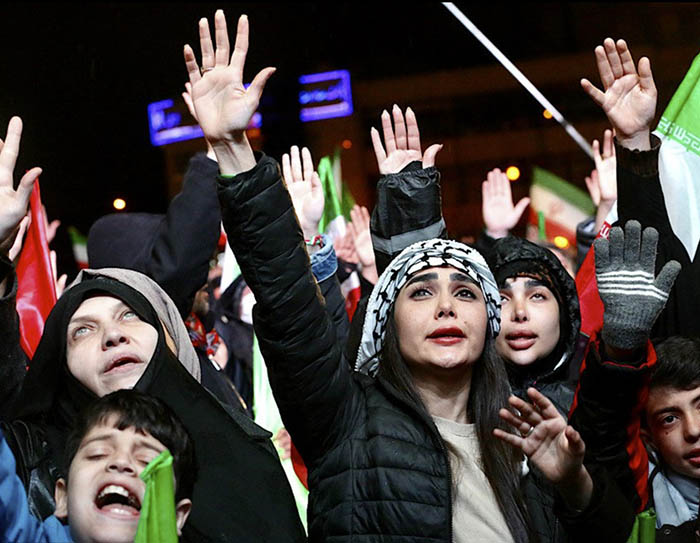
Night Gatherings in Tehran During Wartime in Vanak and the Transformation of Urban Space
Introduction Night gatherings in Tehran during wartime have become a significant aspect of urban life, particularly in central districts such … Continue reading ➝
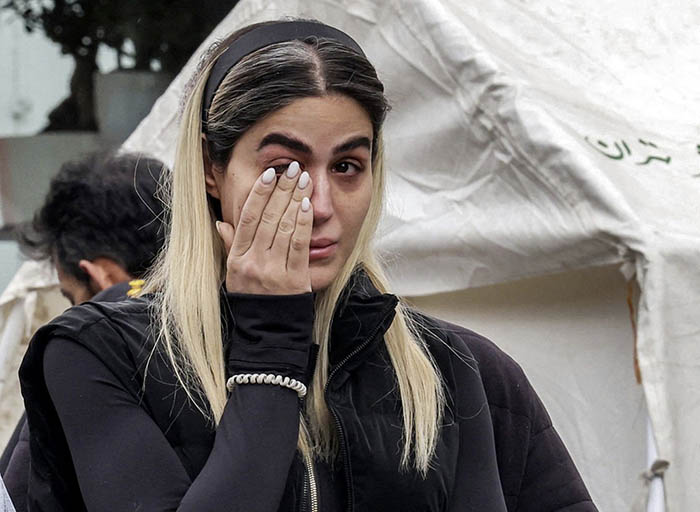
Missile Strike on Al-Arabi TV Office in Tehran Amid Escalating Iran–Israel Conflict
Introduction The rapidly escalating tensions in the Middle East reached a dramatic and alarming turning point as a missile strike … Continue reading ➝
Despair in Afghan Neighborhood in Southern Tehran After Devastating Bombing
Introduction The narrow streets of an Afghan neighborhood in southern Tehran have fallen into a silence that feels heavier than … Continue reading ➝
Residents in Shock After Missile Strikes Devastate Homes in Ray Amid Escalating War
Introduction Residents of Ray, a historic city just south of Tehran, woke to scenes of devastation and disbelief after midnight … Continue reading ➝