Reza Pahlavi Attacked in Berlin: Security Breach, Political Tensions, and Global Reactions
Broader Implications for Political Figures in Exile
Other exiled figures around the world have faced similar incidents, reinforcing the need for adaptive security strategies.
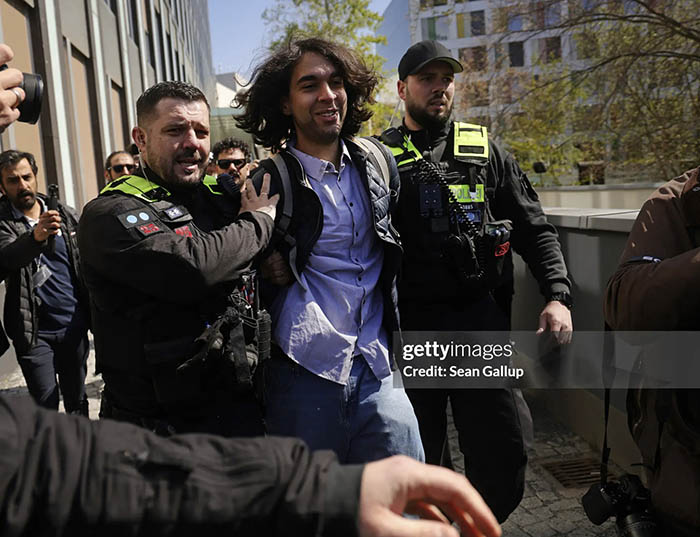
The targeting of Reza Pahlavi in Berlin was brief, non-lethal, and quickly contained. Yet its significance extends beyond the immediate moment.
It reflects the intersection of global, diaspora tensions, media dynamics, and the complexities of in open societies. It also underscores how even small acts can carry outsized meaning when they involve prominent figures and symbolic contexts.
As discussions continue about Iran’s future and the role of opposition voices abroad, events like this will remain part of the broader narrative. They serve as reminders that political does not stay confined within national borders—it often travels, adapts, and reappears in places designed for dialogue.
Conclusion
The incident involving Reza Pahlavi in Berlin was a high-profile assault that exposed security gaps and reflected deeper political tensions, but it was not a confirmed attempt on his life.
Still, it serves as a reminder of:
- The volatility surrounding Iranian politics
- The challenges of protecting public figures in democratic societies
- The importance of accurate reporting in an era of rapid information spread
As investigations continue and reactions unfold, this will likely remain a focal point in discussions about security, political dissent, and the future of Iran’s movement on the global stage.