Ramses II Theater Play Featuring Sahar Dolatshahi: A Remarkable Performance in Stage Arts
Theater Scene in 1404: Trends and Highlights
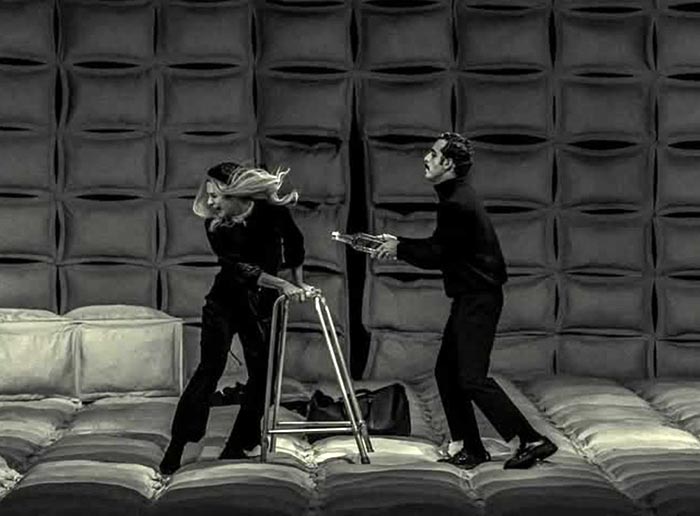
The year 1404 has been marked by a renaissance in Iranian theater, with productions like Ramses II showcasing high technical standards and innovative stage design. Theater companies emphasize psychological realism, symbolic staging, and talented acting, reflecting a dynamic cultural landscape. The staging at City Theater exemplifies these trends, attracting diverse audiences and encouraging critical discussion.
The Role of Stage Design in Enhancing Theater Experience
Innovative stage design is central to the success of modern Iranian theater. Productions increasingly incorporate symbolic elements, minimalistic sets, and creative lighting to evoke emotional responses. In Ramses II, the thoughtful use of doors, corridors, and visual metaphors demonstrates how stage design can elevate storytelling and deepen audience engagement.
Critical Review and Audience Reactions
Critics have lauded Ramses II for its artistic excellence, technical mastery, and powerful performances. Audience reactions have been equally enthusiastic, with many praising the play’s emotional depth and visual symbolism. The standing ovation and Sahar Dolatshahi’s tears symbolize the emotional impact and cultural significance of the production.
The Cultural Significance of Ramses II in Iran
Ramses II reflects Iranian society’s growing interest in psychological and existential themes. The play’s exploration of mental health, perception, and human suffering resonates deeply with contemporary audiences, fostering awareness and empathy. It also signifies the increasing quality and ambition of Iranian theater productions on the global stage.
November 27, 2025 | 7:51 pm