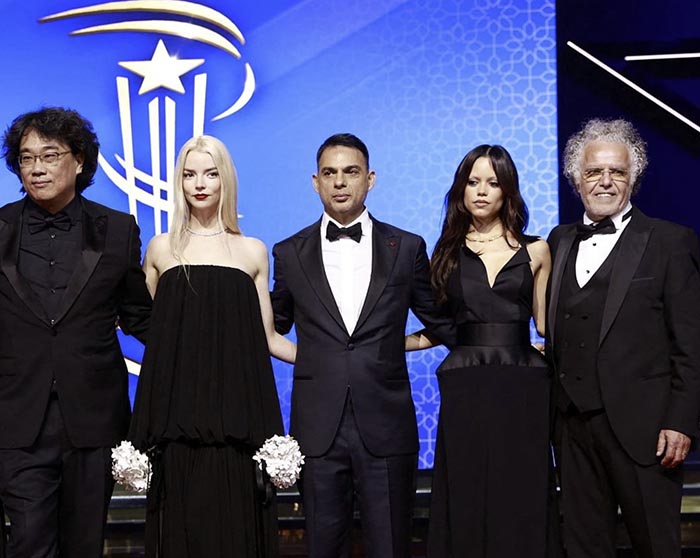
Peyman Maadi Graces the Red Carpet at the 22nd Marrakech International Film Festival
Chapter 6: The Broader Cultural Context of Iranian Cinema and Its Global Influence
Iranian Cinema as a Cultural Export
Iranian cinema has long held a distinguished place on the world stage, renowned for its poetic visual language, social critique, and profound character studies. Directors like Abbas Kiarostami, Asghar Farhadi, Jafar Panahi, and Majid Majidi have garnered international acclaim, winning awards at Cannes, Venice, Berlin, and the Oscars. Their films often explore themes of morality, human resilience, societal constraints, and existential questions, resonating with audiences worldwide.
Peyman Maadi, as one of Iran’s prominent actors, has contributed significantly to this cultural export. His performances have embodied the nuanced storytelling that characterizes Iranian cinema, simultaneously reflecting social realities and universal human themes.
The Challenges Faced by Filmmakers and Artists
Despite global recognition, Iranian filmmakers face significant hurdles, including censorship, political restrictions, and limited access to international markets. These challenges have fostered a resilient and innovative cinematic community that often uses symbolism, metaphor, and allegory to convey messages.
Maadi’s career exemplifies this resilience. His ability to navigate these constraints and still produce compelling work highlights the strength of Iranian cultural institutions and the determination of its artists. His international recognition also helps amplify Iran’s voice despite political complexities.
The Role of Festivals in Elevating Iranian Cinema
Film festivals worldwide have played a crucial role in promoting Iranian films. Platforms like Cannes, Venice, Berlinale, and MIFF have provided avenues for Iranian stories to reach diverse audiences. Maadi’s participation in these festivals has helped bridge cultural divides, fostering understanding and appreciation.
During MIFF 2025, Maadi’s engagement with local filmmakers and audiences served as a reminder of the importance of festivals in nurturing dialogue, collaboration, and cultural diplomacy amid challenging geopolitical circumstances.
November 29, 2025 | 10:05 pmMore stories

Coffee Under Fire: The Resilience of Café Culture in Tehran During Wartime
Introduction Tehran has always been a city of paradoxes—restless yet restrained, modern yet steeped in history. In times of war, … Continue reading ➝
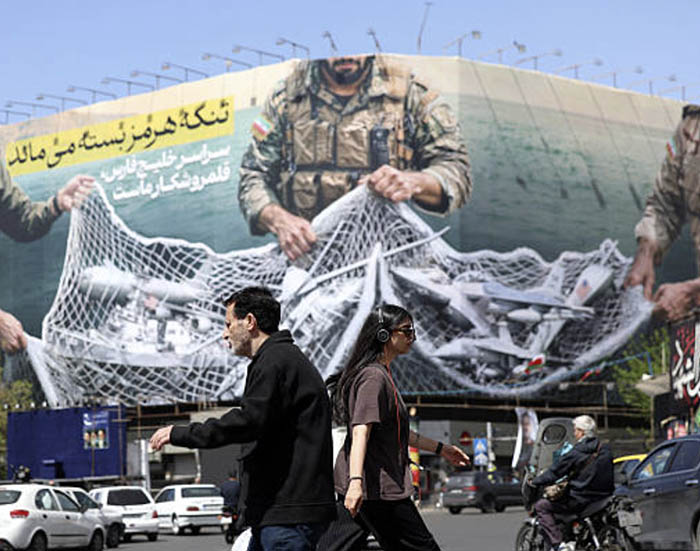
Strait of Hormuz Crisis 2026: Propaganda Posters in Enghelab Square
Introduction In the heart of Tehran, specifically at Enghelab Square, a massive propaganda banner has emerged as one of the … Continue reading ➝
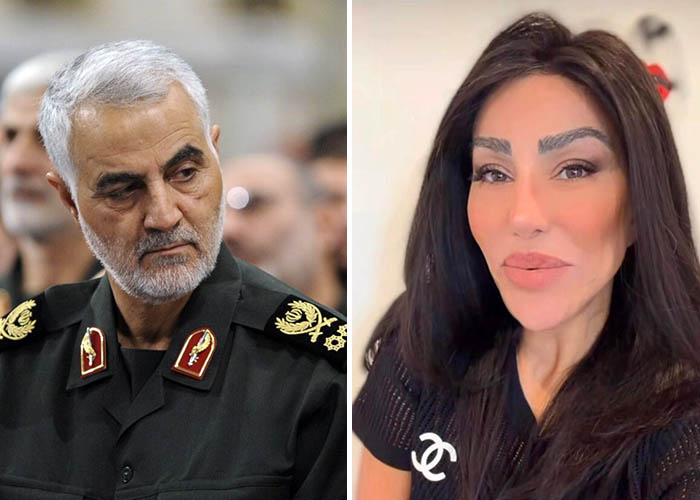
US State Department Arrests Relative of Qassem Soleimani: Immigration Crackdown, National Security Concerns
Introduction The recent announcement by the United States Department of State regarding the arrest and revocation of permanent residency for … Continue reading ➝
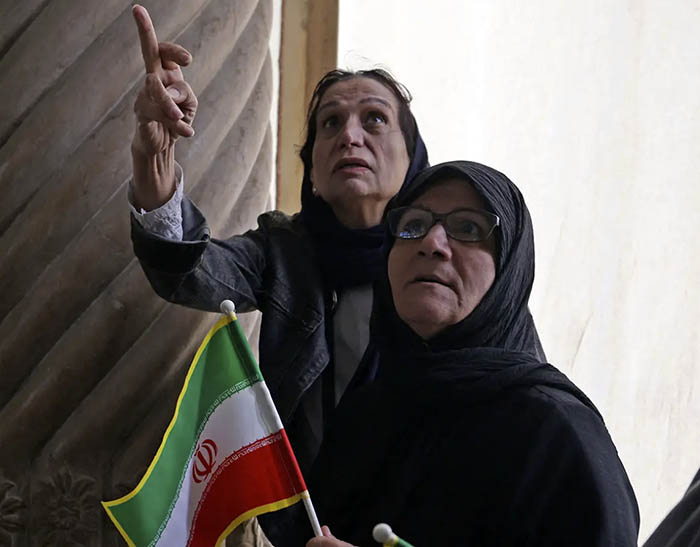
Damage to Golestan Palace Amid Iran–Israel–US Conflict: Cultural Heritage at Risk
Introduction The unfolding Iran–Israel–US conflict in 2026 has not only intensified geopolitical tensions in the Middle East but has also … Continue reading ➝
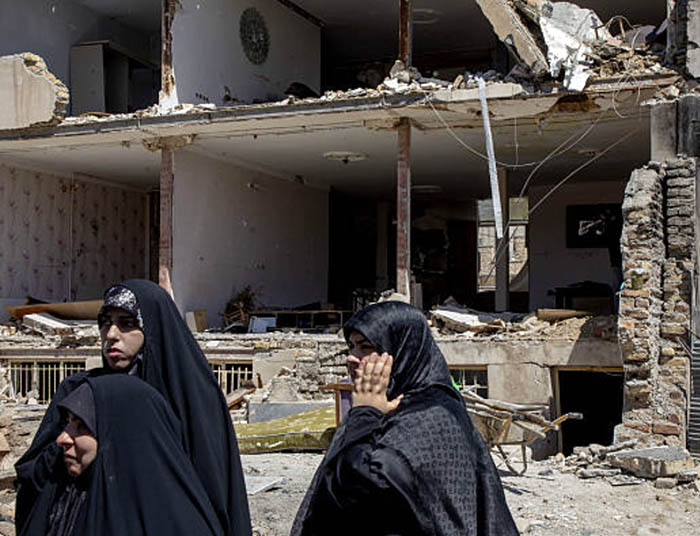
U.S.-Israeli Military Operations: Full Analysis of the 2026 Middle East Conflict
Introduction The escalating conflict involving United States, Israel, and Iran has rapidly evolved into one of the most dangerous geopolitical … Continue reading ➝