The Controversy Surrounding Defense Secretary Pete Hegseth’s “Kafir” Tattoo

The Historical Context of “Kafir”
Understanding the implications of Hegseth’s tattoo requires delving into the term “kafir” itself. Deriving from the Arabic root K‑F‑R (to cover or conceal), “kafir” has been employed throughout history, especially during periods of conflict, to delineate believers from nonbelievers. Yet the nuances in its application and interpretation can vary dramatically between communities and scholars.
As noted by Mustafa Akyol, a fellow at the Cato Institute, “kafirs” are often portrayed as the sworn enemies of Islam. These historical contexts heighten the implications of such displays in modern times, especially considering the already fraught relationships between the West and Islamic nations.
The Influence of Tattoo Culture
Beyond the immediate shock and outrage, Hegseth’s tattoo reflects a larger trend in contemporary American culture where tattoos have taken on meanings relevant to identity, ideology, and self-expression. Many millennials and Gen Z individuals use body art to convey messages about their beliefs, political affiliations, and life experiences.
For some, tattoos signify a form of rebellion or a rejection of societal norms. However, for others, tattoos symbolize belonging, commitment, and loyalty, as in Hegseth’s case, where his ink represents his faith and political stance. This blending of personal belief with public expression raises critical questions regarding the ethical implications of such choices, especially in the context of symbols that can alienate or stigmatize entire communities.
March 27, 2025 | 7:55 pmMore stories
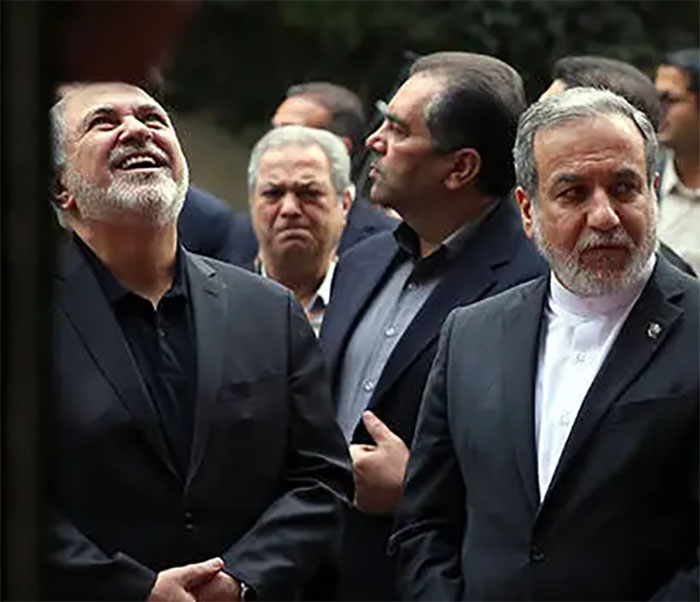
Mohammad Javad Zarif and Abbas Araghchi Attend Ceremony Honoring Kamal Kharrazi in Tehran
Introduction A commemorative ceremony honoring Seyyed Kamal Kharrazi was held in Tehran, bringing together several prominent figures associated with Iran’s … Continue reading ➝
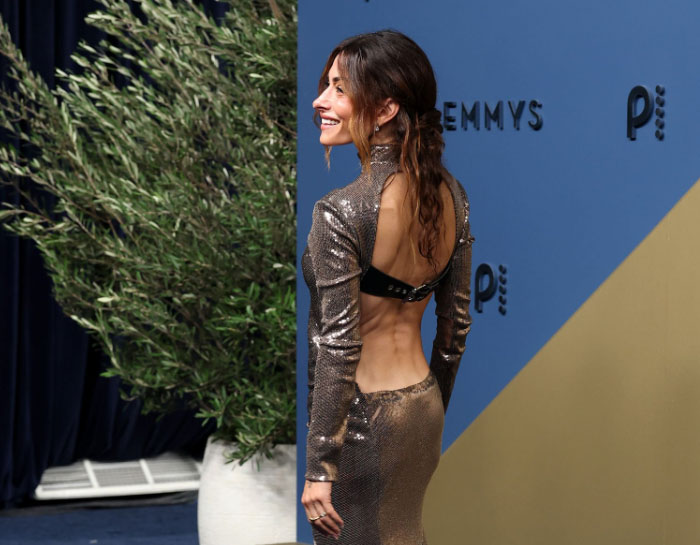
Sarah Shahi at the 2026 Emmy Awards: Red Carpet Appearance, Fashion Details and Shoe Close-Up
Introduction Sarah Shahi was among the celebrities photographed at the 78th Primetime Emmy Awards on September 14, 2026, in Los … Continue reading ➝
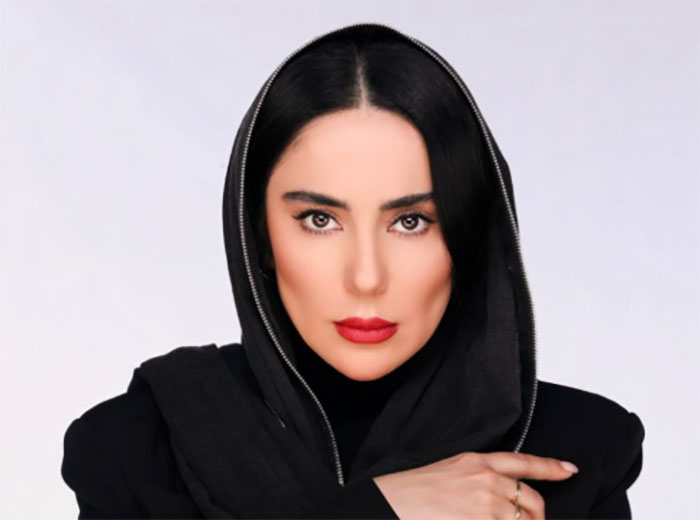
Sheida Yousefi: TV Shows, Noon Kh, Savushun and Personal Life
Introduction Sheida Yousefi is an Iranian actress known for her performances in television dramas, Iranian cinema and home video network … Continue reading ➝
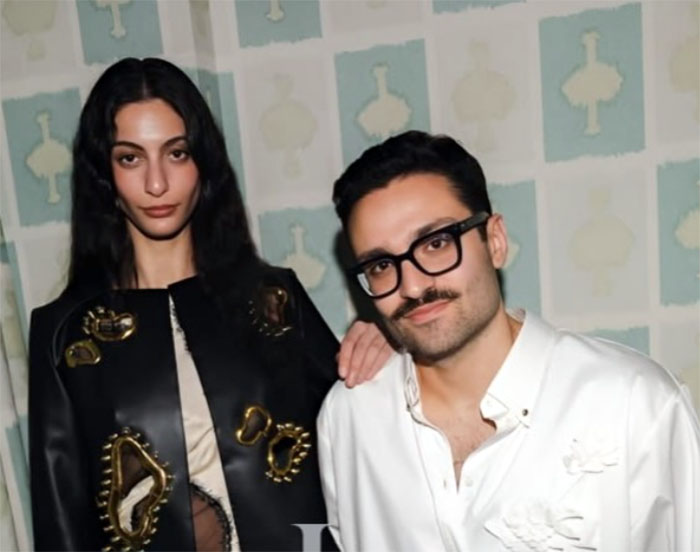
Amir Taghi Brings Heritage and Asiatic Cheetah Inspiration to Vogue’s 2026 Sustainable Fashion Challenge
a Introduction Iranian-American fashion designer Amir Taghi has brought Iranian cultural heritage into the international fashion conversation through a striking … Continue reading ➝
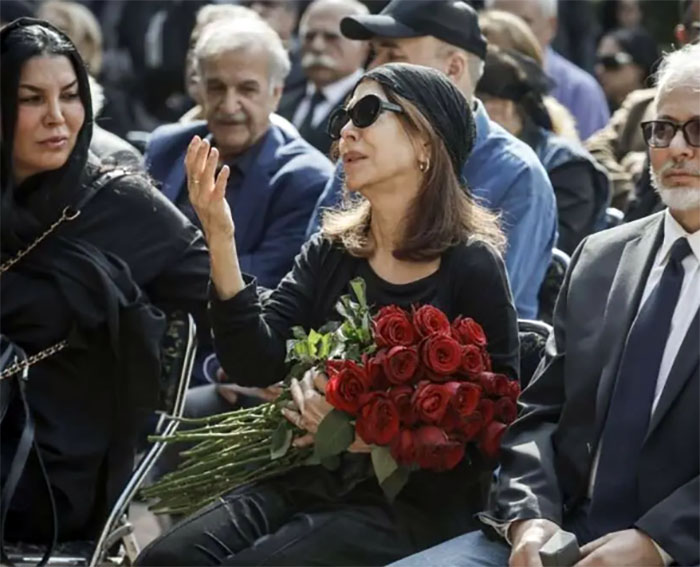
Sirus Ebrahimzadeh Funeral: Details of the Farewell Ceremony in Tehran After His Remains Returned from the United States
a Introduction A farewell ceremony honoring Iranian actor Sirus Ebrahimzadeh was held on the morning of Wednesday, October 21, 2026, … Continue reading ➝