Asghar Farhadi’s “Parallel Tales” Arrives at Cannes: A Red Carpet Defined by Cinema, Elegance, and Global Anticipation
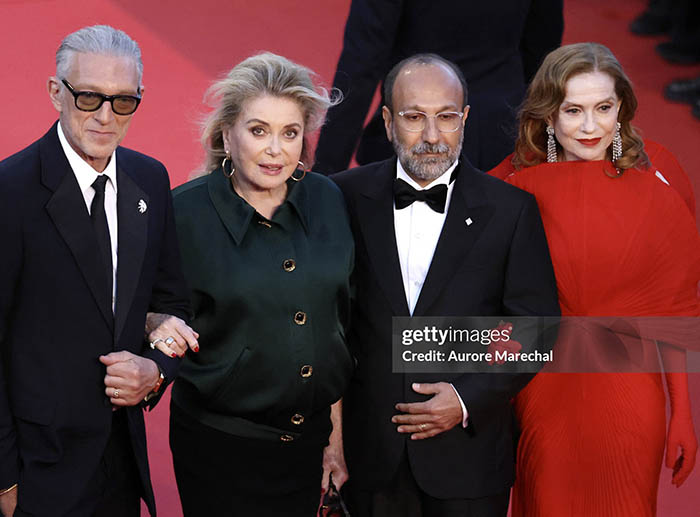
The Emotional Language of Farhadi’s Cinema
Part of the extraordinary anticipation surrounding “Parallel Tales” emerged from audiences’ familiarity with Farhadi’s emotional storytelling language.
His films rarely rely on conventional dramatic spectacle.
Instead, tension accumulates through conversation, silence, hesitation, and conflicting interpretations of events.
Farhadi understands that emotional devastation often emerges not from grand tragedy but from ordinary human behavior.
A lie told to avoid embarrassment.
A secret kept to protect dignity.
A misunderstanding that escalates gradually.
A moment of pride preventing reconciliation.
These seemingly minor actions become catalysts for profound emotional consequences within his narratives.
This sensitivity to moral ambiguity distinguishes Farhadi from many contemporary filmmakers.
He rarely offers audiences easy emotional alignment.
Characters who initially appear sympathetic may later reveal selfish motivations. Individuals perceived negatively may expose hidden vulnerability.
The audience is constantly required to reassess judgment.
This complexity generates unusually active viewing experiences.
Spectators become participants in moral interpretation rather than passive consumers of narrative information.
As audiences entered the screening of “Parallel Tales,” they carried expectations shaped by this history.
Would Farhadi once again construct a story where emotional truth remained elusive?
Would Isabelle Huppert inhabit a character defined by contradiction and internal conflict?
Would the film continue Farhadi’s exploration of guilt, responsibility, and social tension?
The red carpet atmosphere reflected these artistic expectations.
Unlike premieres dominated entirely by commercial anticipation, the excitement surrounding “Parallel Tales” involved intellectual curiosity.
People were eager to think as much as feel.
That distinction matters enormously.
It reveals why Farhadi occupies such a respected position within world cinema.
His films trust audiences.
They assume viewers are capable of engaging with uncertainty and emotional complexity.
At Cannes, where critical discourse remains central to festival culture, this approach resona
May 14, 2026 | 6:34 pmMore stories

Who Is Babak Takhti? Gholamreza Takhti’s Only Son, His Family, Career, and His Father’s Controversial Death
Introduction Babak Takhti is an Iranian writer, publisher and the only son of Gholamreza Takhti, the legendary Iranian freestyle wrestler … Continue reading ➝
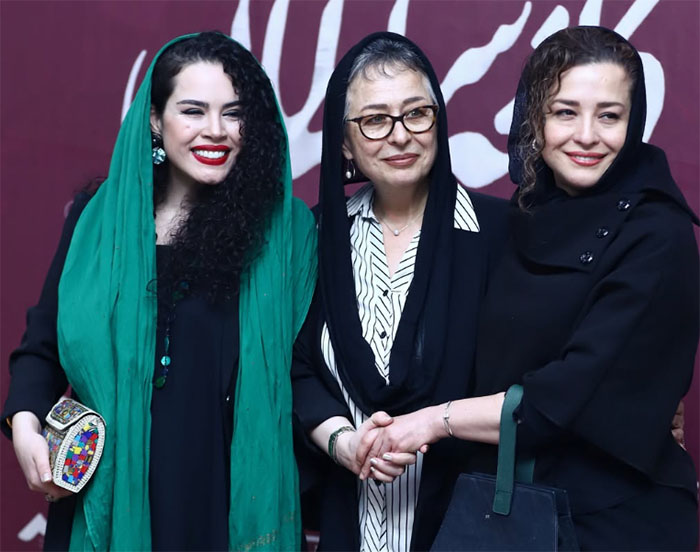
Azita Hajian, Mehraveh Sharifinia and Melika Sharifinia Attend Cafe Soltan Private Screening at Megamall Cinema
Introduction The private screening of Cafe Soltan, the Iranian feature film directed by Mostafa Razagh-Karimi and produced by Morteza Razagh-Karimi, … Continue reading ➝

Bot (Bet) Movie: Hamid Nematollah’s Drama Holds Private Screening at Galleria Cinema Complex
Introduction The Iranian social drama Bot, also transliterated as Bet and associated with the English title Idol, has attracted attention … Continue reading ➝
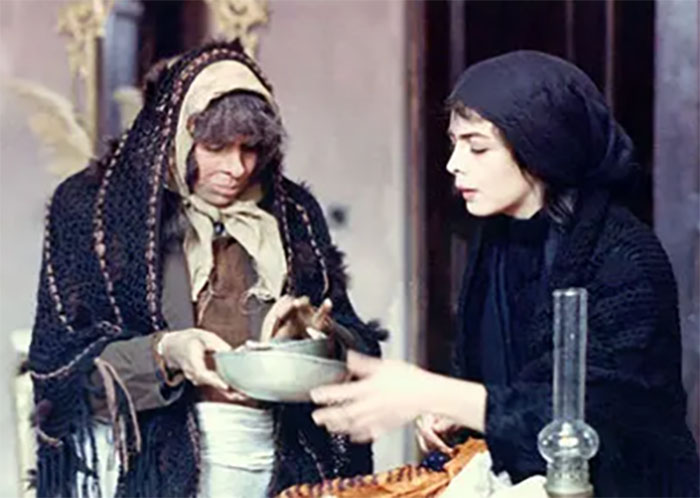
10 Fascinating Stories About Most Famous Actresses: Behind-the-Scenes Secrets From Iconic Films and TV Shows
Introduction 1. Gohar Kheirandish in Banoo: The Makeup That Could Not Hide Her Beauty Film: Banoo (The Lady) Director: Dariush … Continue reading ➝
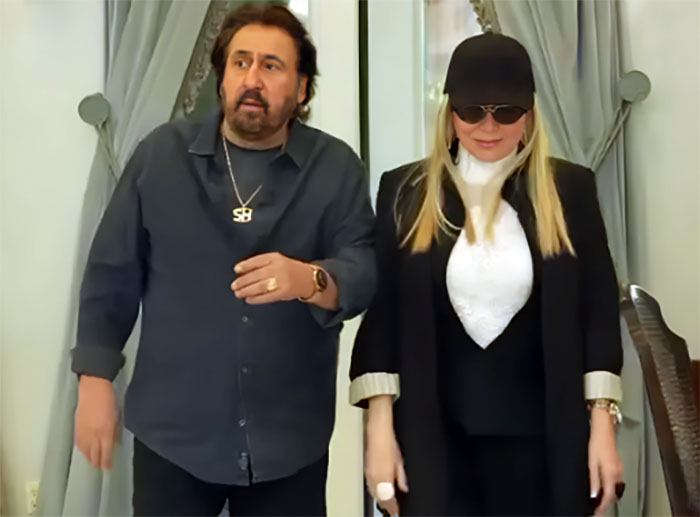
9 Famous Celebrity Love Stories That Captivated the World
Introduction 1. Googoosh and Dariush: The Rumored Romance Between Two Iranian Music Legends Few names are as recognizable in Iranian … Continue reading ➝