North Korea Military Drone Test: Kim Jong-un’s Focus on AI-Driven Defense Modernization & Tactical Attack Drones
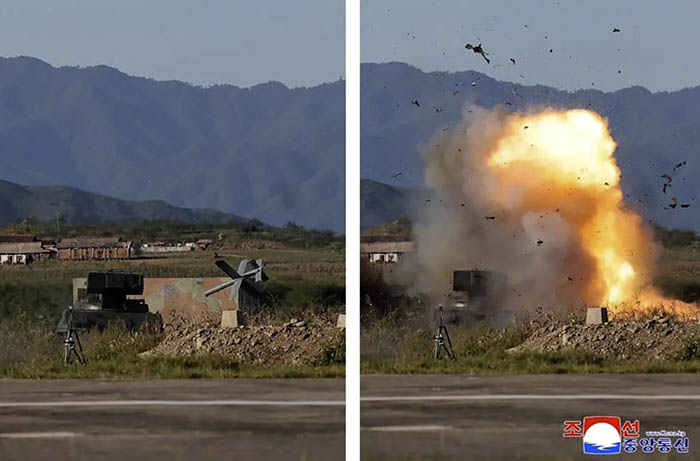
Integration with Cyber Warfare
In 2025, North Korea is reportedly enhancing its drone fleet with integrated cyber capabilities. These cyber-enabled drones can potentially disrupt enemy communication networks, disable missile defense systems, or gather intelligence through hacking. Such hybrid tactics amplify North Korea’s asymmetric warfare strategies, making its drone fleet even more formidable.
Cyber and Electronic Warfare Synergy
The combination of AI-driven autonomous drones with cyber warfare tools allows for coordinated electronic attacks. For example, drones could target radar installations or electronic command centers while cyber operations disable or manipulate enemy systems remotely. This multi-layered approach increases North Korea’s capacity to conduct complex, coordinated assaults.
Drones as Force Multipliers in Regional Conflicts
With the deployment of AI-enabled attack drones, North Korea aims to operate as a force multiplier, complicating the defense calculations of neighboring countries. The ability to deploy drone swarms and autonomous attack units provides Pyongyang with a flexible, scalable deterrent that can be used in various conflict scenarios, from border skirmishes to larger regional confrontations.
Regional Alliances and Collaboration
South Korea, Japan, and the United States have intensified their military collaborations, including joint exercises focusing on drone interception, electronic warfare, and cyber defenses. These exercises aim to develop resilient strategies against North Korea’s evolving drone threat.
Arms Control and Regulatory Challenges
The rapid advancement of autonomous drone technology presents a challenge for international arms control efforts. Countries are calling for new treaties and regulations to prevent proliferation and misuse of AI-enabled autonomous weapons systems. Diplomatic negotiations are ongoing to establish norms for the responsible development and deployment of such advanced military technologies.
The Role of International Organizations
Organizations such as the United Nations are increasingly scrutinizing autonomous weapons, emphasizing the need for transparency and accountability. Monitoring mechanisms are being discussed to prevent the misuse of AI-driven drones and to ensure compliance with international humanitarian laws.
September 19, 2025 | 8:46 pmMore stories

US State Department Arrests Relative of Qassem Soleimani: Immigration Crackdown, National Security Concerns
Introduction The recent announcement by the United States Department of State regarding the arrest and revocation of permanent residency for … Continue reading ➝
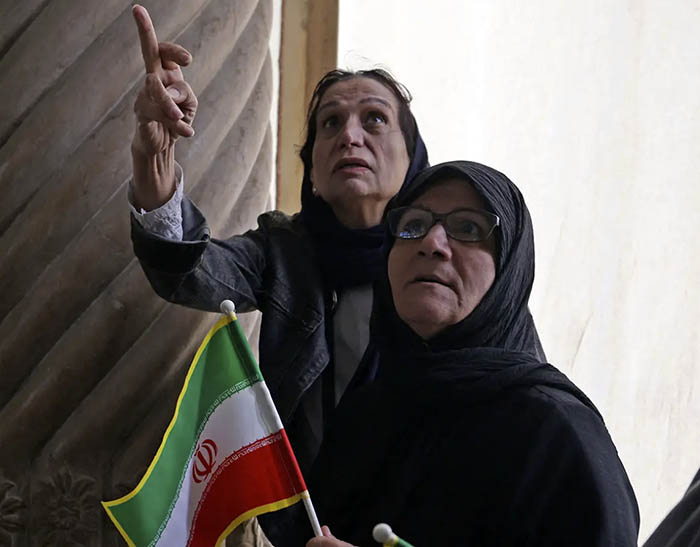
Damage to Golestan Palace Amid Iran–Israel–US Conflict: Cultural Heritage at Risk
Introduction The unfolding Iran–Israel–US conflict in 2026 has not only intensified geopolitical tensions in the Middle East but has also … Continue reading ➝
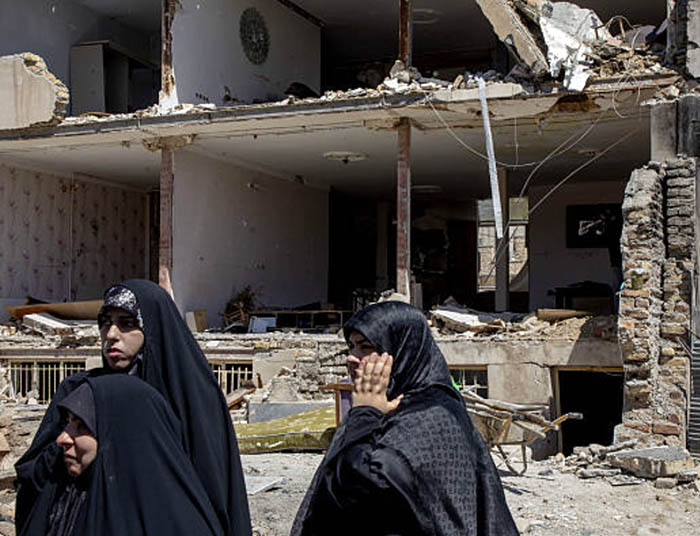
U.S.-Israeli Military Operations: Full Analysis of the 2026 Middle East Conflict
Introduction The escalating conflict involving United States, Israel, and Iran has rapidly evolved into one of the most dangerous geopolitical … Continue reading ➝

13 Bedar in Tehran: Celebrating Life on the Frontline of War
Introduction In the heart of Tehran, where headlines often speak of geopolitical tension, military escalation, and uncertainty, a different story … Continue reading ➝

A Mournful Face at Tangsiri’s Funeral: Grief, Power, and Tension in Tehran
Introduction The image of a mournful face at the funeral of Alireza Tangsiri has become one of the most haunting … Continue reading ➝