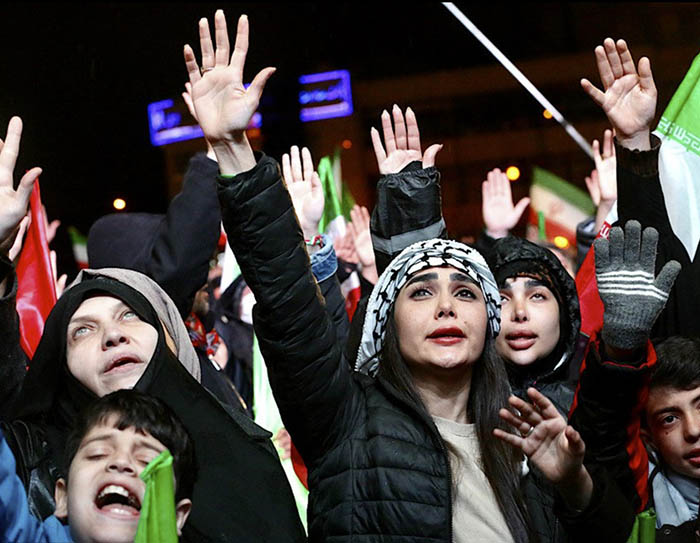
Night Gatherings in Tehran During Wartime in Vanak and the Transformation of Urban Space
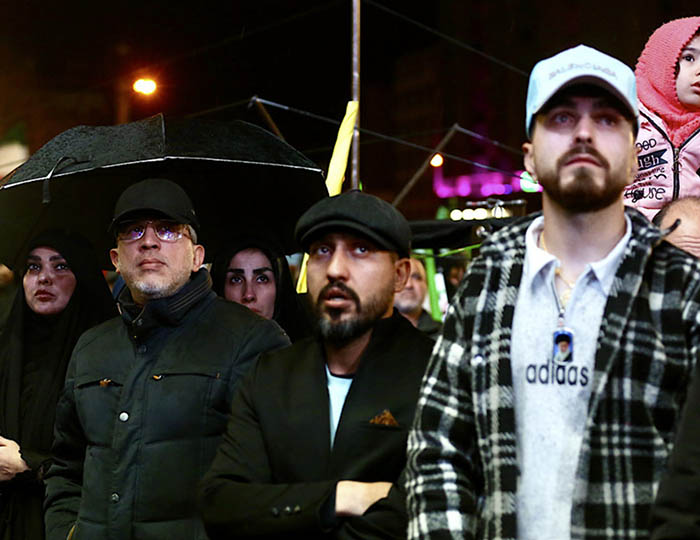
Technology also plays a significant role in shaping the dynamics of night gatherings in Tehran during wartime. Mobile phones, messaging applications, and social media platforms enable rapid dissemination of information, allowing people to become aware of emerging or shifts in activity. While digital communication facilitates coordination, it also introduces new layers of complexity, as individuals must navigate concerns about surveillance, misinformation, and the reliability of sources. In this context, the physical act of gathering takes on additional meaning, serving as a way to verify information and experience events firsthand.
Vanak’s position within Tehran’s broader urban network further enhances its importance during times of conflict. As a hub connecting major thoroughfares such as Valiasr Street, one of the longest streets in the Middle East, the area is easily accessible from multiple parts of the city. This accessibility contributes to the diversity of participants in nighttime gatherings, bringing together individuals from different social, economic, and cultural backgrounds. The resulting mix of perspectives and experiences adds depth to the collective atmosphere, making each gathering a reflection of the city’s complexity.
Economic factors also influence the nature of nighttime gatherings in Tehran. Wartime conditions often place significant strain on livelihoods, leading to shifts in work patterns and daily routines. For many residents, the evening hours become one of the few opportunities to step away from economic pressures and engage with others. In commercial areas like Vanak, where shops, cafes, and businesses may remain open late, the boundary between economic activity and social interaction becomes blurred. This creates an environment in which gatherings can emerge organically, without the need for formal organization.
March 29, 2026 | 7:36 pm