Night Gatherings in Tehran During Wartime in Vanak and the Transformation of Urban Space
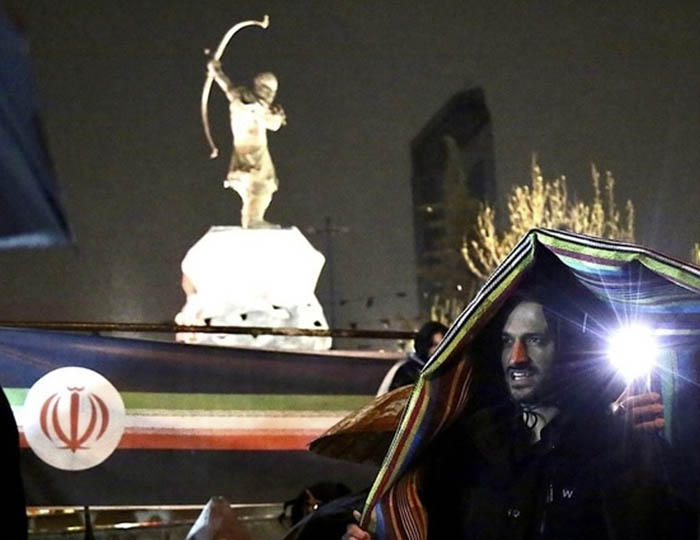
As this continuity extends across longer stretches of time, the meaning of nighttime gatherings in Tehran—especially in districts like Vanak—begins to shift from immediate reaction to embedded urban behavior. What may initially emerge as a response to wartime uncertainty gradually integrates into the rhythms of everyday life, creating a hybrid form of presence that is neither entirely routine nor entirely exceptional. This blending of the ordinary and the extraordinary is one of the defining characteristics of cities under prolonged pressure, where adaptation becomes not just a strategy but a condition of existence.
In Vanak, the layering of daily life with wartime awareness produces a distinct spatial consciousness. Individuals moving through the area at night are often attuned to subtle cues: the of passing cars, the density of pedestrians at certain corners, the in lighting or sound that might indicate shifts in the environment. These observations are rarely articulated explicitly, yet they form part of a shared understanding that shapes how people behave in public space. The result is a, an unspoken coordination that allows gatherings to persist without the need for overt organization.
The concept of visibility remains central to this process, but it evolves over time. Rather than simply being about whether one is seen or unseen, visibility becomes relational, dependent on context and perspective. A group standing at the edge of Vanak Square may appear highly visible from one angle while blending into the of movement from another. This fluidity allows individuals to calibrate their level of participation, choosing when to engage more openly and when to recede into the background. Such flexibility is essential in maintaining the of gatherings under conditions where certainty is limited.
March 29, 2026 | 7:36 pmMore stories

US–Israel–Iran War Demonstration in Washington, DC: Iranian Diaspora Rally for Freedom
Introduction On March 29, 2026, thousands gathered on the National Mall in Washington, DC near the iconic US Capitol to … Continue reading ➝
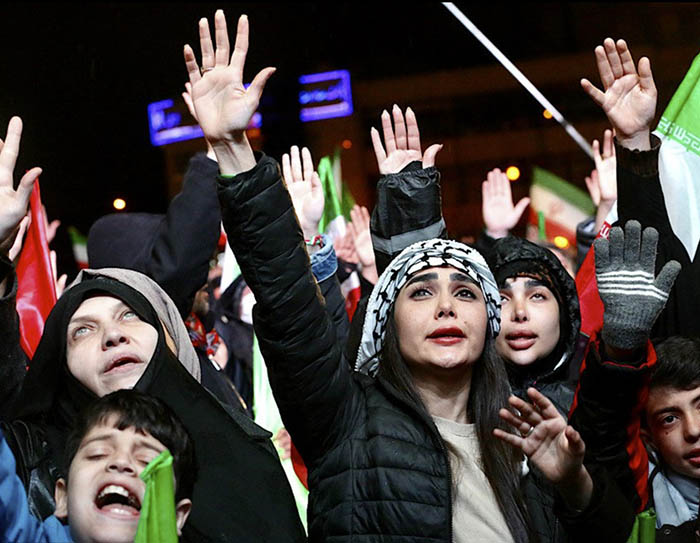
Night Gatherings in Tehran During Wartime in Vanak and the Transformation of Urban Space
Introduction Night gatherings in Tehran during wartime have become a significant aspect of urban life, particularly in central districts such … Continue reading ➝
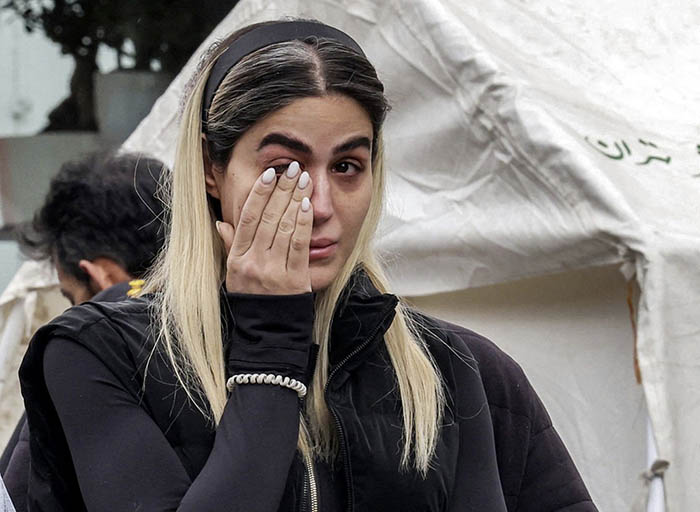
Missile Strike on Al-Arabi TV Office in Tehran Amid Escalating Iran–Israel Conflict
Introduction The rapidly escalating tensions in the Middle East reached a dramatic and alarming turning point as a missile strike … Continue reading ➝
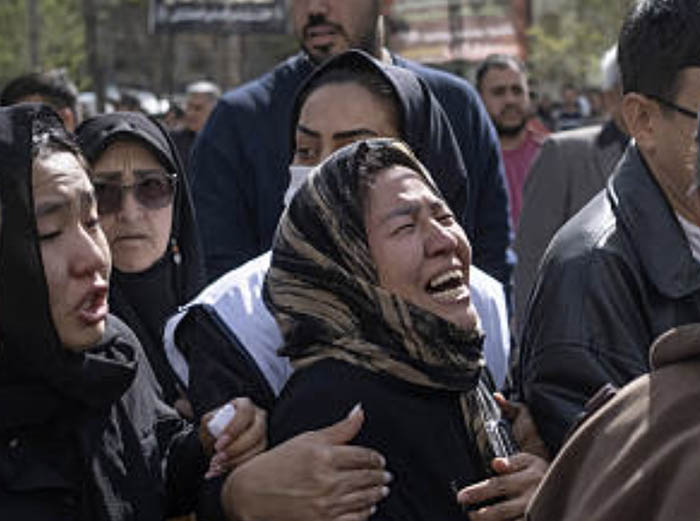
Despair in Afghan Neighborhood in Southern Tehran After Devastating Bombing
Introduction The narrow streets of an Afghan neighborhood in southern Tehran have fallen into a silence that feels heavier than … Continue reading ➝
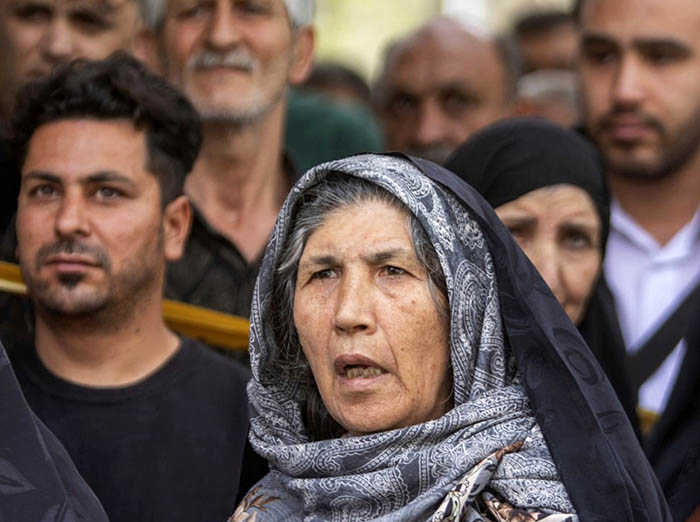
Residents in Shock After Missile Strikes Devastate Homes in Ray Amid Escalating War
Introduction Residents of Ray, a historic city just south of Tehran, woke to scenes of devastation and disbelief after midnight … Continue reading ➝