Night Gatherings in Tehran During Wartime in Vanak and the Transformation of Urban Space
Introduction
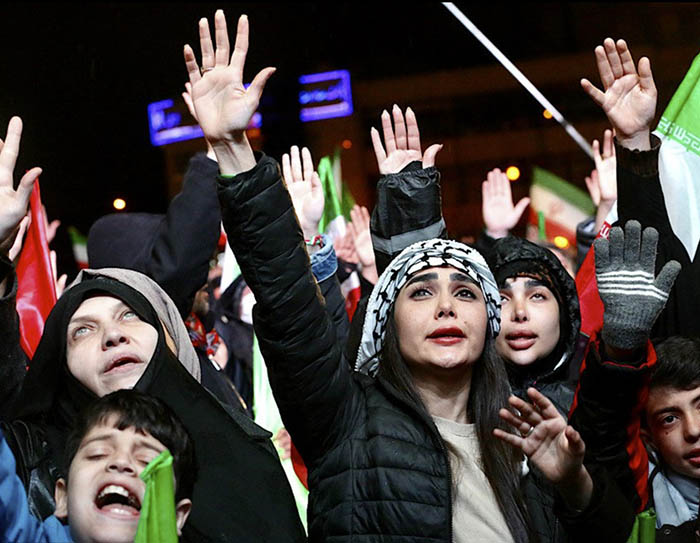
Night gatherings in Tehran during wartime have become a significant aspect of urban life, particularly in central districts such as Vanak, where the intersection of major roads, commercial centers, and residential buildings creates a unique environment for collective presence. As the city transitions from the intensity of daytime routines into the relative quiet of evening hours, a different rhythm emerges, one that reflects both tension and resilience. In times of conflict, the night transforms from a period of rest into a space of expression, communication, and subtle forms of social coordination that shape the lived experience of millions.
Tehran, as one of the largest metropolitan areas in the Middle East, has long been a focal point for political, cultural, and economic activity. During wartime, however, the city takes on an additional layer of meaning. The urban landscape becomes a backdrop for uncertainty, where daily life continues under the shadow of broader geopolitical realities. Neighborhoods like Vanak, located at a strategic crossroads connecting northern and central Tehran, become especially important due to their accessibility and visibility. The area’s wide boulevards, high-rise buildings, and mixed-use spaces make it a natural gathering point, even when formal assembly is restricted or discouraged.
The phenomenon of nighttime gatherings in Tehran is not entirely new, but it gains heightened significance during periods of conflict. The darkness provides a sense of anonymity and protection, allowing individuals to step outside their homes and participate in shared experiences without the same level of exposure that daylight brings. This does not necessarily imply organized protest in every instance; rather, it often manifests as a spectrum of activities, from quiet conversations on sidewalks to more visible forms of collective presence. In Vanak, these gatherings may appear spontaneous, yet they are deeply rooted in the social fabric of the city, where community ties and shared concerns create an unspoken understanding among participants.