Mysterious Nightlife in Tehran: Street Music and the Hidden Energy of September 11, 2026
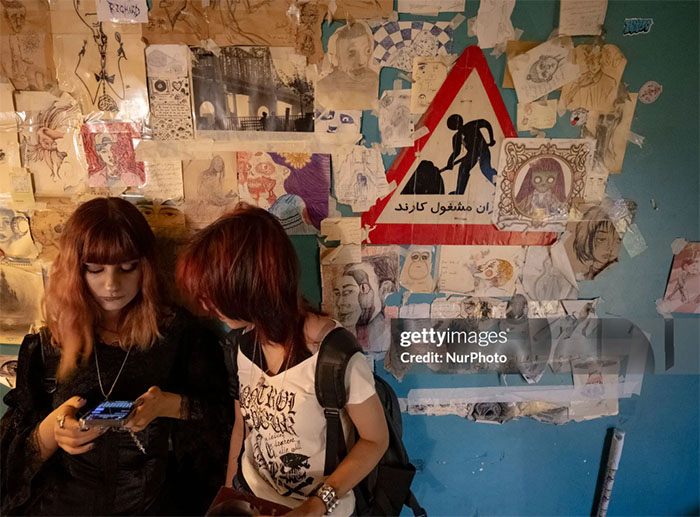
Tehran at Night on September 11, 2026
September 11 was an unusual date in 2026.
In the United States, September 11 marked the 25th anniversary of the 2001 terrorist attacks, with commemorations taking place across the country. At the same time, President Donald Trump continued to defend his administration’s military campaign against Iran, while the broader US-Iran conflict remained unresolved.
In Tehran, however, the evening looked very different from the commemorative ceremonies taking place thousands of kilometres away.
Downtown streets remained active.
Young men and women walked together.
People gathered outside cafés.
A street musician played harmonica.
Another young musician and singer performed while pedestrians passed.
Small vendors attracted groups of young people.
A woman looked at sunglasses displayed outside a shop-café.
Friends sat together on the sidewalk.
The images create an almost cinematic impression of Tehran after dark.
At first glance, the photographs could be mistaken for scenes from an ordinary summer evening in a major metropolitan city.
But the surrounding circumstances make them more mysterious.
Why were young people still gathering publicly while the country was experiencing war and economic pressure?
What does nightlife mean in a city where conventional nightlife is heavily restricted?
Why do cafés, sidewalks and informal public spaces become so important to young Iranians?
And what does it mean when ordinary social interaction itself becomes a form of resistance to an abnormal situation?
These questions are at the heart of Tehran’s unusual night-time culture in 2026.
September 12, 2026 | 7:26 pm