Movement 2025: Reza Pahlavi’s Leadership and the Growing Support for Democracy
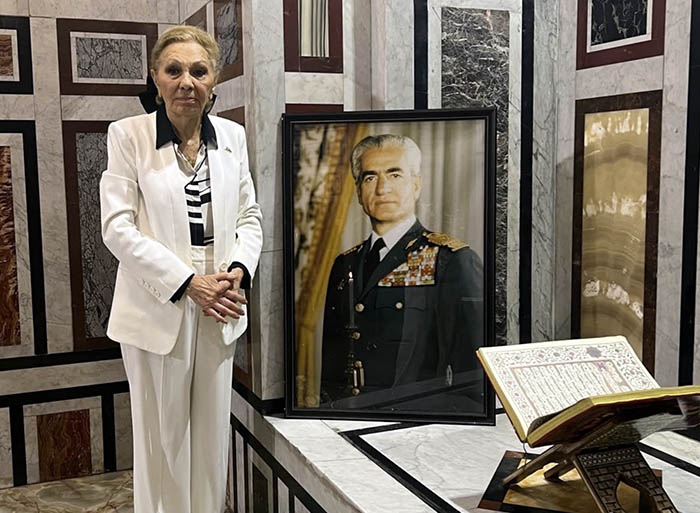
The Global Stakes in Iran’s Future
Iran’s political evolution is not just a regional concern; it carries profound global implications. As the world grapples with shifting alliances, nuclear proliferation risks, and regional stability, Iran’s trajectory toward democracy or continued authoritarianism will influence international security.
Iran’s Nuclear Program and International Diplomacy
Iran’s nuclear ambitions have long been a flashpoint for international diplomacy. In 2025, renewed nuclear negotiations are underway, albeit under tense circumstances. The recent Israeli and U.S. military strikes targeting Iran’s military and nuclear sites have intensified fears of escalation.
Key issues at stake include:
- Nuclear proliferation risk: If Iran develops nuclear weapons, it could destabilize the Middle East and trigger a regional arms race.
- Diplomatic deadlock: The failure to revive the JCPOA may lead to increased sanctions and isolation, further fueling internal dissent.
- International sanctions: Continued sanctions harm Iran’s economy but also limit foreign investment and aid efforts, impacting the hopes for reform.
The Role of Middle Eastern Geopolitics
Iran’s regional influence extends through proxy groups such as Hezbollah, Houthis, and Shiite militias. A shift toward democracy could diminish Iran’s support for these groups, altering regional power balances.
Saudi Arabia, the UAE, and Israel are closely watching Iran’s internal developments. Some regional powers might support regime change efforts, fearing a more moderate Iran could reduce regional tensions.
The Impact of the U.S. and European Policies
U.S. policy toward Iran remains complex. While some advocate for regime change through sanctions and diplomatic pressure, others prefer engagement and negotiations. European allies are pushing for diplomacy to prevent further escalation.
The Biden administration’s approach, balancing pressure with diplomacy, aims to prevent nuclear proliferation and support democratic movements. However, the recent military strikes and sanctions suggest a cautious, sometimes confrontational stance.
July 28, 2025 | 1:43 pmMore stories
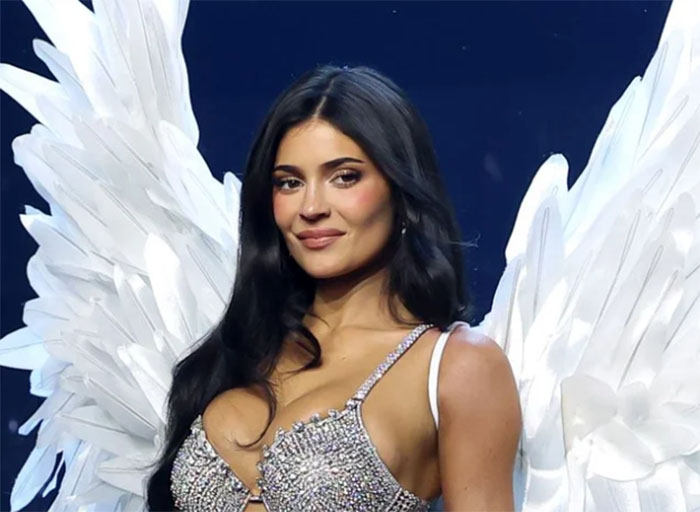
Kylie Jenner Makes Victoria’s Secret Fashion Show Debut in $50 Million Fantasy Bra
Introduction Babak Takhti is an Iranian writer, publisher and the only son of Gholamreza Takhti, the legendary Iranian freestyle wrestler … Continue reading ➝
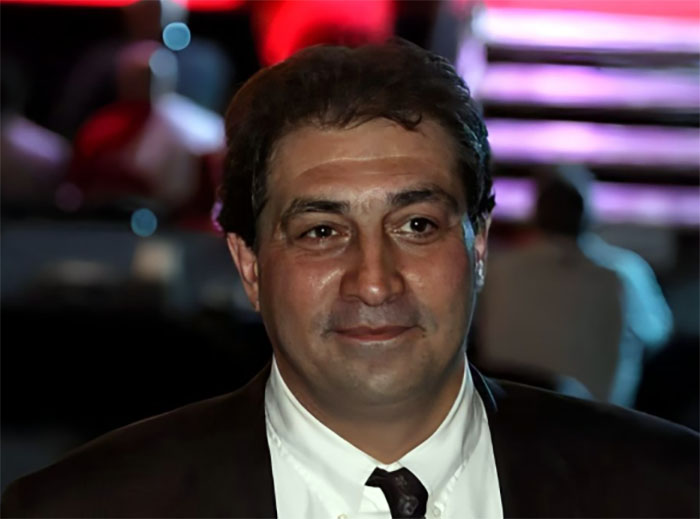
Who Is Babak Takhti? Gholamreza Takhti’s Only Son, His Family, Career, and His Father’s Controversial Death
Introduction Babak Takhti is an Iranian writer, publisher and the only son of Gholamreza Takhti, the legendary Iranian freestyle wrestler … Continue reading ➝
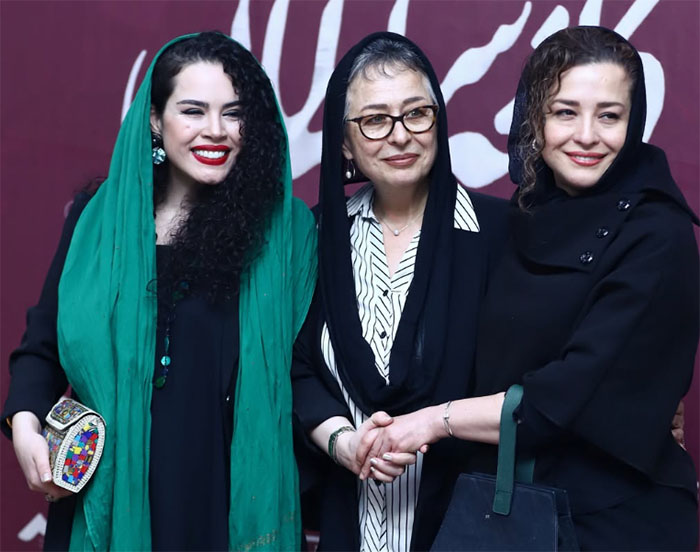
Azita Hajian, Mehraveh Sharifinia and Melika Sharifinia Attend Cafe Soltan Private Screening at Megamall Cinema
Introduction The private screening of Cafe Soltan, the Iranian feature film directed by Mostafa Razagh-Karimi and produced by Morteza Razagh-Karimi, … Continue reading ➝
Bot (Bet) Movie: Hamid Nematollah’s Drama Holds Private Screening at Galleria Cinema Complex
Introduction The Iranian social drama Bot, also transliterated as Bet and associated with the English title Idol, has attracted attention … Continue reading ➝
10 Fascinating Stories About Most Famous Actresses: Behind-the-Scenes Secrets From Iconic Films and TV Shows
Introduction 1. Gohar Kheirandish in Banoo: The Makeup That Could Not Hide Her Beauty Film: Banoo (The Lady) Director: Dariush … Continue reading ➝