Movement 2025: Reza Pahlavi’s Leadership and the Growing Support for Democracy
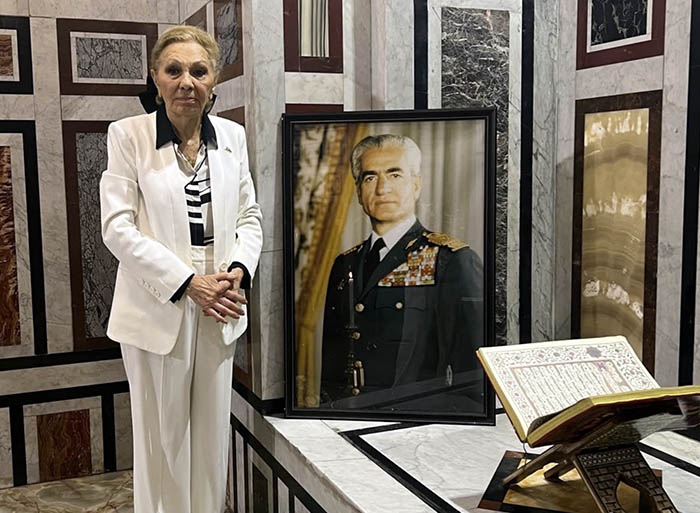
The Global Stakes in Iran’s Future
Iran’s political evolution is not just a regional concern; it carries profound global implications. As the world grapples with shifting alliances, nuclear proliferation risks, and regional stability, Iran’s trajectory toward democracy or continued authoritarianism will influence international security.
Iran’s Nuclear Program and International Diplomacy
Iran’s nuclear ambitions have long been a flashpoint for international diplomacy. In 2025, renewed nuclear negotiations are underway, albeit under tense circumstances. The recent Israeli and U.S. military strikes targeting Iran’s military and nuclear sites have intensified fears of escalation.
Key issues at stake include:
- Nuclear proliferation risk: If Iran develops nuclear weapons, it could destabilize the Middle East and trigger a regional arms race.
- Diplomatic deadlock: The failure to revive the JCPOA may lead to increased sanctions and isolation, further fueling internal dissent.
- International sanctions: Continued sanctions harm Iran’s economy but also limit foreign investment and aid efforts, impacting the hopes for reform.
The Role of Middle Eastern Geopolitics
Iran’s regional influence extends through proxy groups such as Hezbollah, Houthis, and Shiite militias. A shift toward democracy could diminish Iran’s support for these groups, altering regional power balances.
Saudi Arabia, the UAE, and Israel are closely watching Iran’s internal developments. Some regional powers might support regime change efforts, fearing a more moderate Iran could reduce regional tensions.
The Impact of the U.S. and European Policies
U.S. policy toward Iran remains complex. While some advocate for regime change through sanctions and diplomatic pressure, others prefer engagement and negotiations. European allies are pushing for diplomacy to prevent further escalation.
The Biden administration’s approach, balancing pressure with diplomacy, aims to prevent nuclear proliferation and support democratic movements. However, the recent military strikes and sanctions suggest a cautious, sometimes confrontational stance.
July 28, 2025 | 1:43 pmMore stories
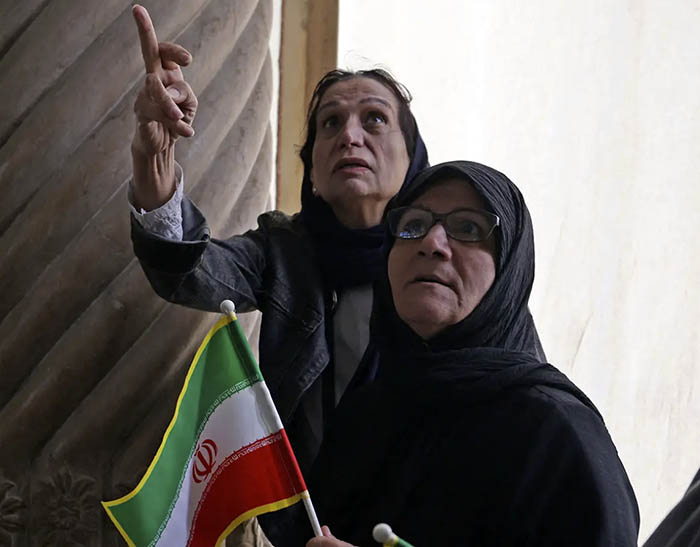
Damage to Golestan Palace Amid Iran–Israel–US Conflict: Cultural Heritage at Risk
Introduction The unfolding Iran–Israel–US conflict in 2026 has not only intensified geopolitical tensions in the Middle East but has also … Continue reading ➝
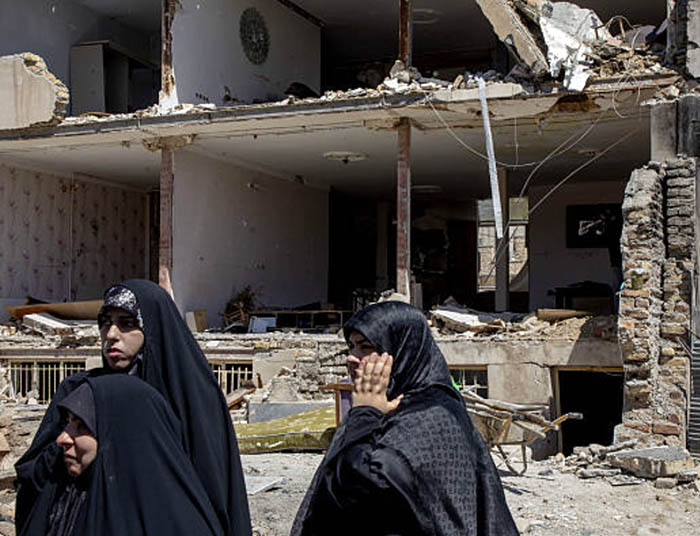
U.S.-Israeli Military Operations: Full Analysis of the 2026 Middle East Conflict
Introduction The escalating conflict involving United States, Israel, and Iran has rapidly evolved into one of the most dangerous geopolitical … Continue reading ➝
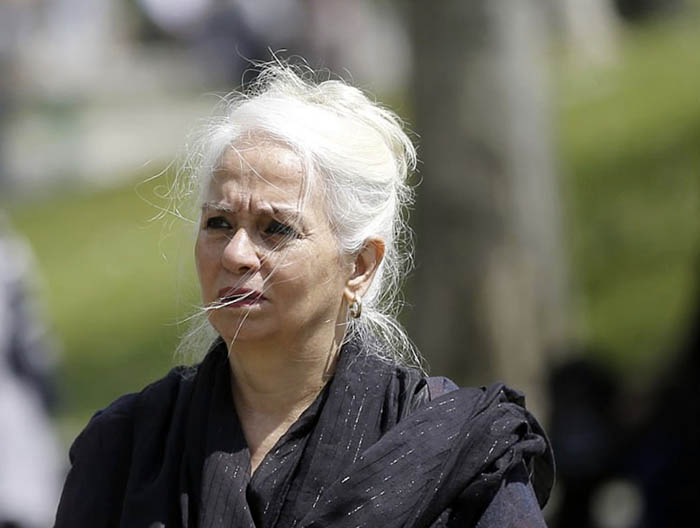
13 Bedar in Tehran: Celebrating Life on the Frontline of War
Introduction In the heart of Tehran, where headlines often speak of geopolitical tension, military escalation, and uncertainty, a different story … Continue reading ➝
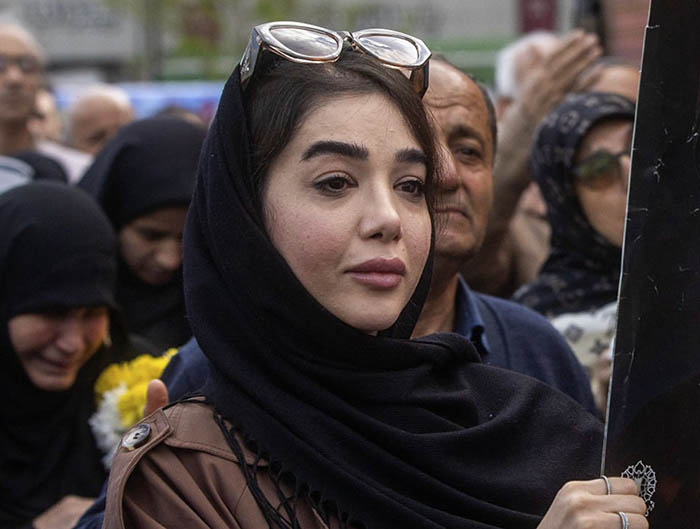
A Mournful Face at Tangsiri’s Funeral: Grief, Power, and Tension in Tehran
Introduction The image of a mournful face at the funeral of Alireza Tangsiri has become one of the most haunting … Continue reading ➝
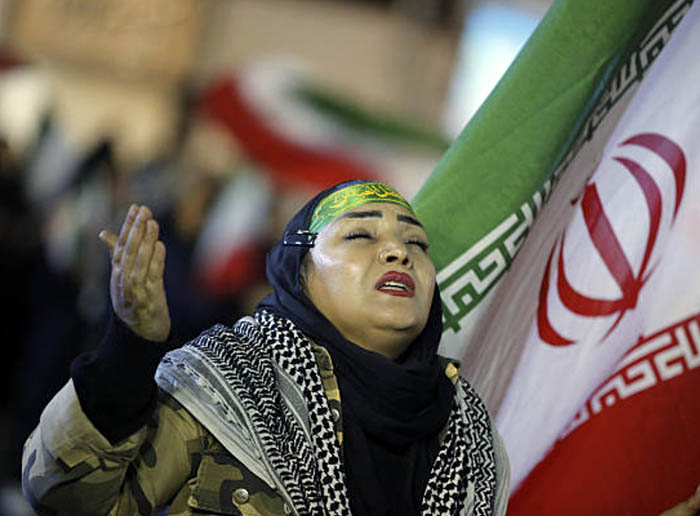
Israeli and U.S. Attacks on Spark Mass Protests in Tehran: Rising Middle East Tensions in 2026
Introduction In a dramatic escalation of tensions in the Middle East, mass protests erupted in Tehran following reports of coordinated … Continue reading ➝