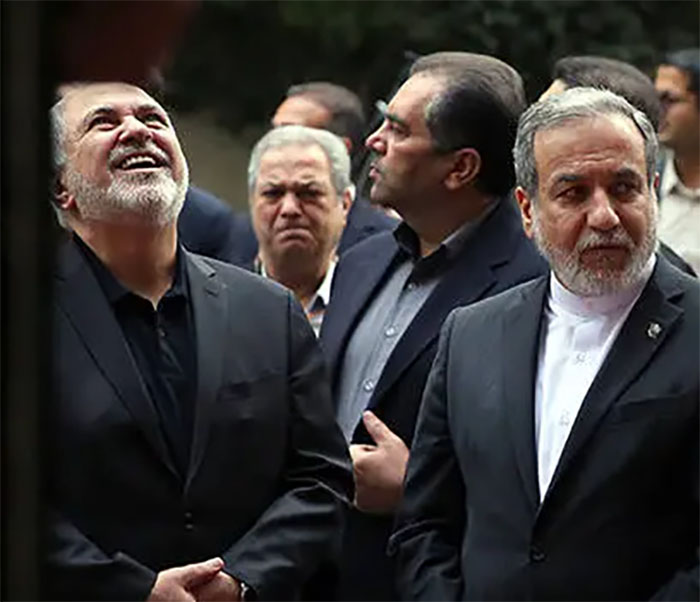
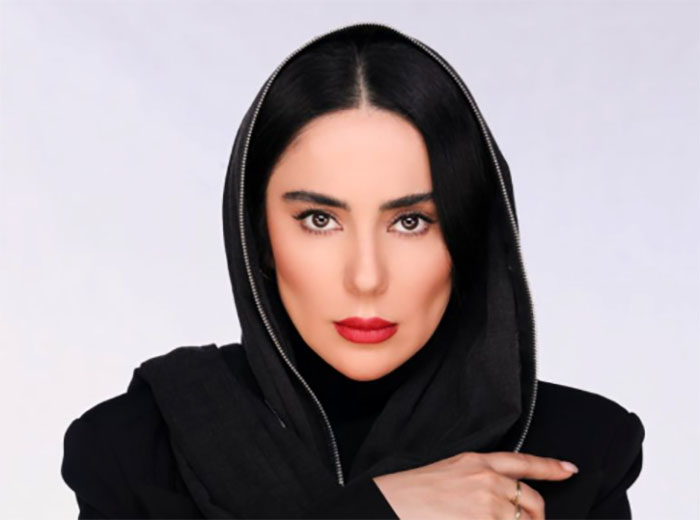
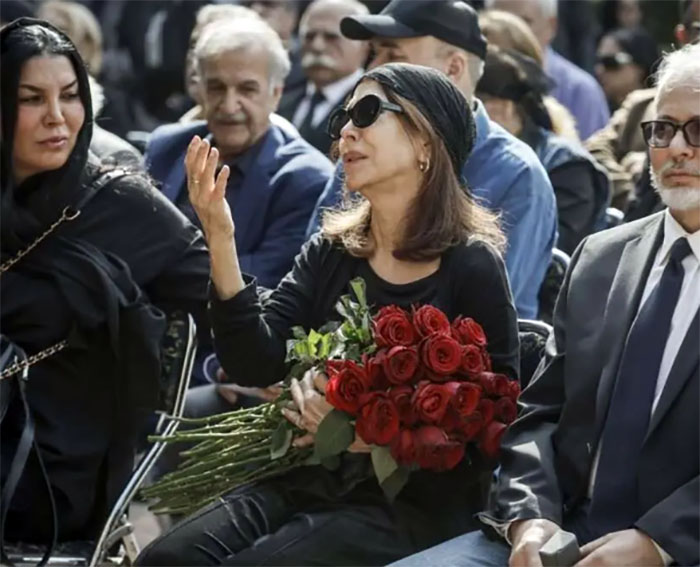
Mohammad Javad Zarif and Abbas Araghchi Attend Ceremony Honoring Kamal Kharrazi in Tehran
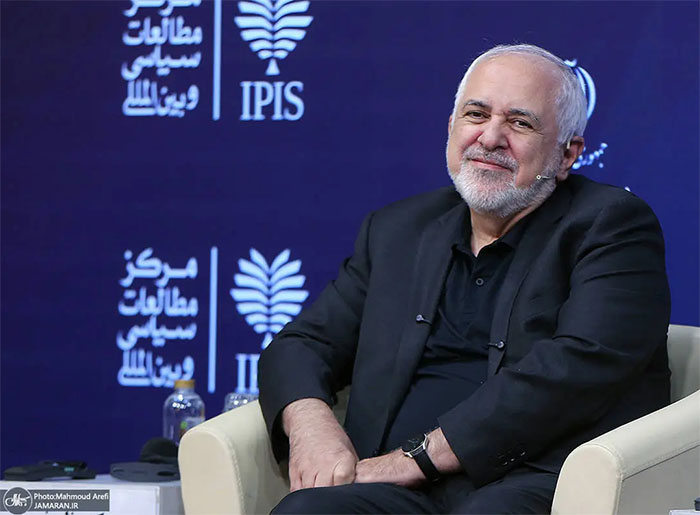
Tehran as a Center of Diplomatic Activity
Tehran hosts Iran’s principal government institutions and serves as the base for foreign embassies accredited to the country.
The city’s diplomatic calendar includes official visits, bilateral meetings, international conferences, cultural events, and ceremonies involving government representatives.
Events of this kind can bring together officials from different parts of the political and diplomatic establishment. They may also provide opportunities for international representatives to learn about Iranian institutions, public figures, and historical developments.
The presence of foreign ambassadors at the Kharrazi ceremony reflects its connection to the diplomatic community based in Tehran.
Nevertheless, attendance at a public or commemorative event should not automatically be interpreted as evidence of bilateral negotiations or a change in relations between particular countries.
The identities of the ambassadors, the countries they represented, and the details of any accompanying meetings would need to be established through reliable event reporting.
Preserving the Legacy of Iranian Diplomats
The careers of senior diplomats often span several administrations, international crises, and periods of political change. Their professional experiences can provide insight into the practical work of maintaining diplomatic relations.
Preserving this history requires more than remembering individual names. It also involves maintaining documents, photographs, institutional records, and other materials that establish the context of diplomatic activity.
Museums and documentation centers can contribute to this effort by organizing historical materials and presenting them to appropriate audiences.
A collection devoted to Kharrazi may be particularly relevant to the study of Iran’s foreign policy during the late 1990s and early 2000s, subject to the institution’s actual holdings.
The ceremony’s reopening component therefore provides a second dimension to the event beyond its recognition of an individual. It draws attention to the institutions that preserve the history of diplomatic service.
Whether the center will support future exhibitions, educational programs, public events, or academic research cannot be determined from the available event description.
October 25, 2026 | 7:31 pm