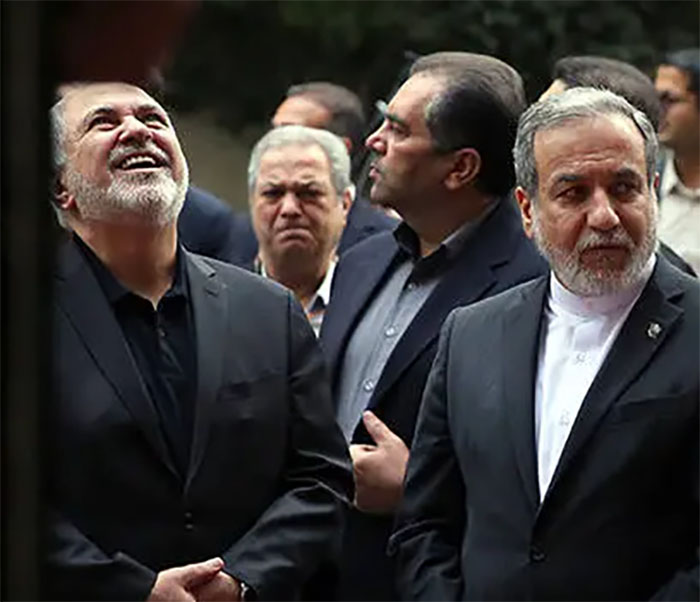
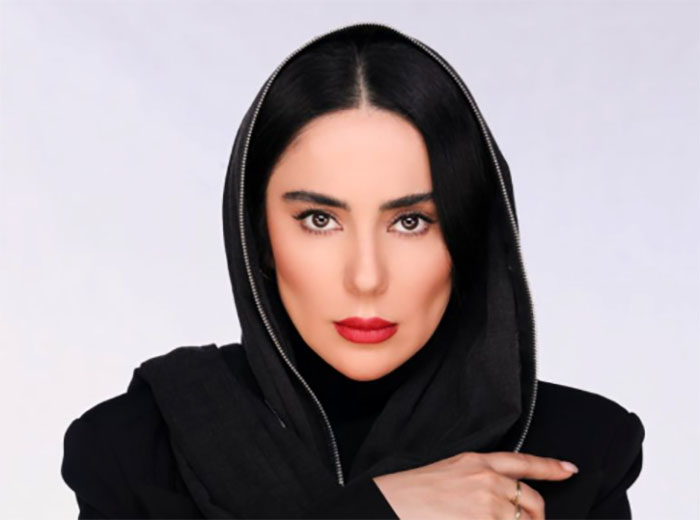
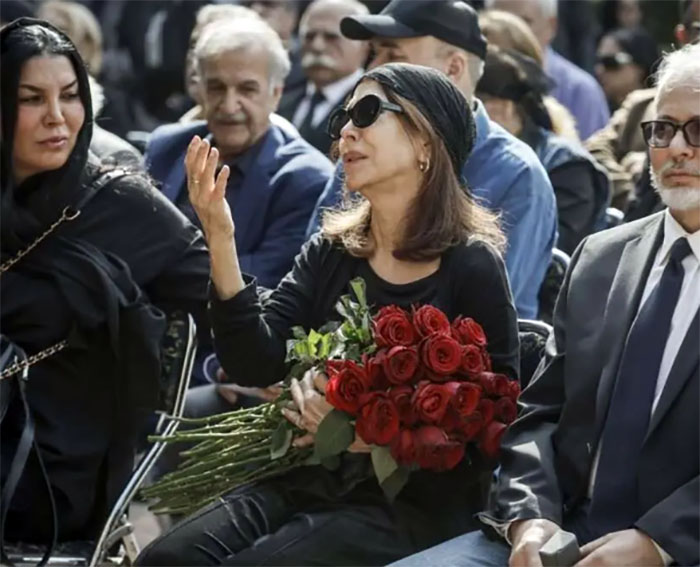
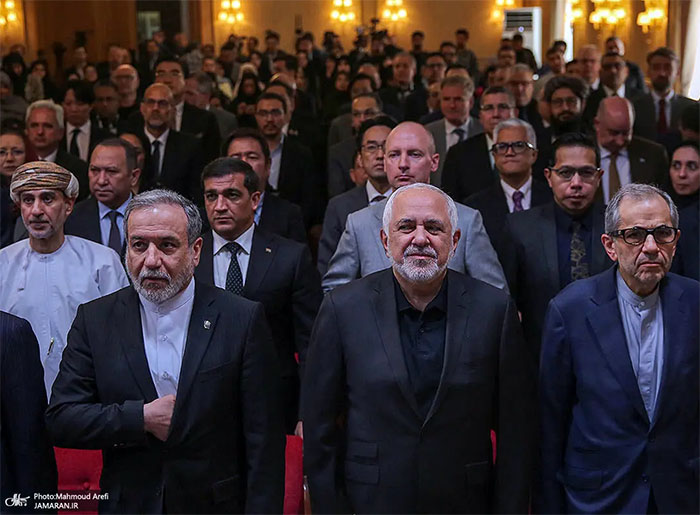
Mohammad Javad Zarif and Abbas Araghchi Attend Ceremony Honoring Kamal Kharrazi in Tehran
Diplomatic History and Institutional Memory
Diplomatic history is shaped not only by major agreements and public announcements but also by the people, institutions, records, and negotiations that support international relations over time.
Official archives and documentation centers can help preserve the context behind diplomatic decisions. Historical records may include speeches, photographs, official correspondence, policy documents, records of international visits, and material related to negotiations.
When maintained and made accessible, these resources can support academic research, institutional learning, and public understanding of foreign policy.
The reopening of the Kamal Kharrazi documentation center and museum provides a reason to consider the importance of these activities in Iran. The institution’s precise holdings and research facilities would need to be confirmed through official information before drawing conclusions about its resources or public access.
For researchers studying Iranian politics, the Ministry of Foreign Affairs, and the development of Iran’s relations with other countries, reliable archival material can provide useful evidence of how diplomatic priorities have evolved.
Preserving the records of experienced diplomats may also help future generations understand the institutional background behind important international events.
Zarif, Araghchi, and Different Periods of Iranian Foreign Policy
Mohammad Javad Zarif and Abbas Araghchi are associated with Iran’s diplomatic efforts during different but overlapping periods.
Zarif’s tenure as foreign minister from 2013 to 2021 included the negotiations that produced the JCPOA in 2015. The agreement addressed Iran’s nuclear program in exchange for sanctions-related relief and became a major focus of international diplomacy.
Araghchi has also been closely associated with nuclear negotiations and has served in senior diplomatic roles. His professional experience connects him to the technical and political dimensions of Iran’s negotiations with international counterparts.
Their appearance together at a ceremony honoring Kharrazi brings attention to the different generations of diplomats who have served Iran over the years.
Kharrazi’s own period as foreign minister preceded Zarif’s tenure, while Araghchi’s career has extended across multiple stages of Iran’s diplomatic engagement.
These overlapping professional histories illustrate how foreign policy institutions draw on experience accumulated across administrations. They do not, by themselves, indicate agreement between the individuals on every diplomatic question or establish the existence of a new political initiative.
October 25, 2026 | 7:31 pm