Missile Strike on Al-Arabi TV Office in Tehran Amid Escalating Iran–Israel Conflict
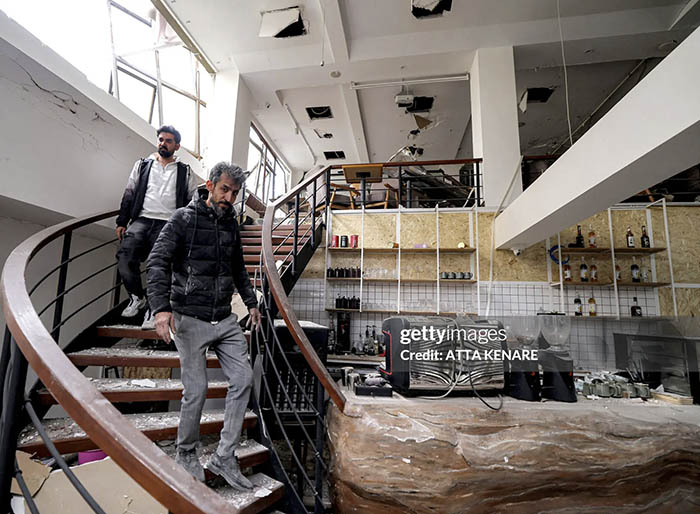
The targeting—or accidental striking—of media facilities during armed conflict is a deeply sensitive issue under international humanitarian law. Journalists are considered civilians and are protected under conventions that prohibit deliberate attacks on non-military infrastructure. Violations of these principles can have far-reaching legal and diplomatic consequences, further complicating an already volatile geopolitical situation.
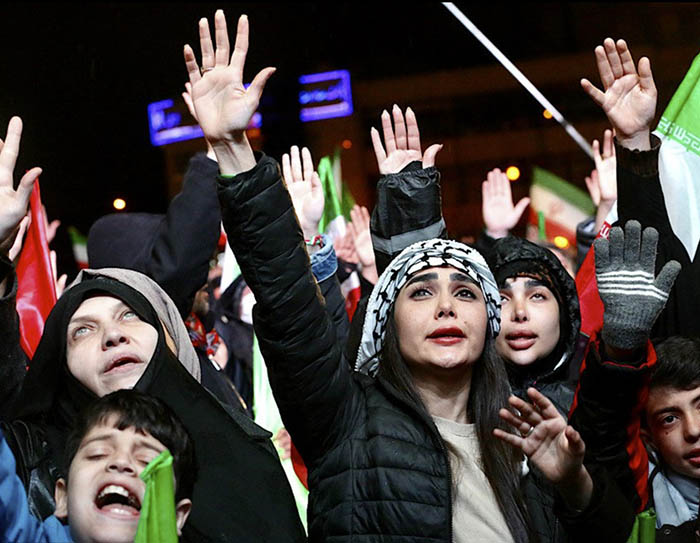
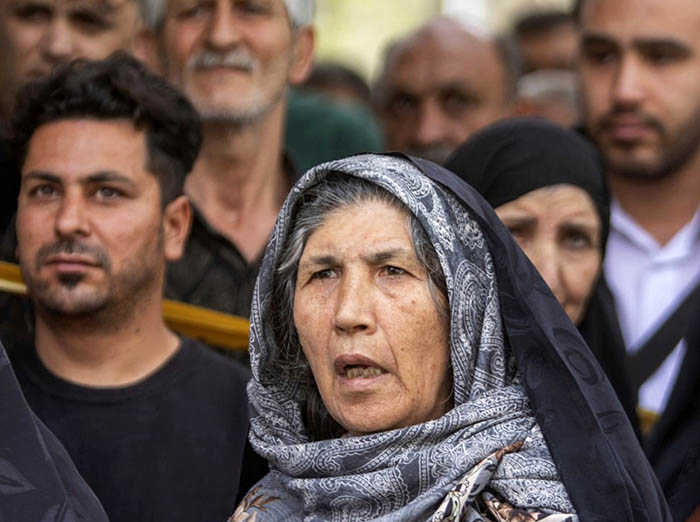
In Tehran, the mood remains tense as residents grapple with the realities of escalating conflict. The capital city has become a focal point of international attention, with heightened security measures and ongoing emergency response efforts. Citizens are increasingly concerned about their safety, particularly as attacks appear to be reaching urban and civilian areas.
The strike on the Al-Arabi TV office also highlights the critical role of media organizations in conflict zones. Journalists serve as essential witnesses, documenting events and providing information to the global community. Disruptions to their operations not only endanger lives but also limit the flow of accurate information, potentially leading to misinformation and heightened uncertainty.
Global reactions to the incident have been swift. Governments, international organizations, and human rights groups have called for restraint and emphasized the need for de-escalation. The situation has reignited debates about the broader Iran–Israel conflict, U.S. involvement in the region, and the risks of further military escalation.
March 29, 2026 | 2:32 pm