Missile Strike on Al-Arabi TV Office in Tehran Amid Escalating Iran–Israel Conflict
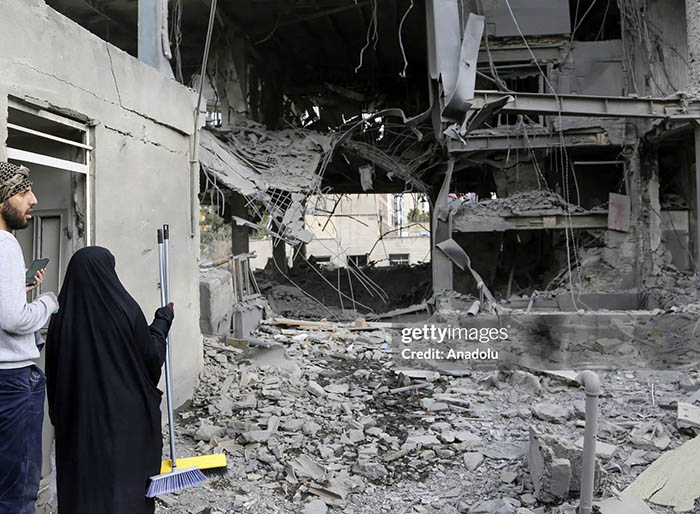
From a media perspective, the targeting of a building housing a prominent news organization has ignited a global debate the safety of journalists in conflict zones. International press freedom groups have condemned the incident, emphasizing that media outlets must not become collateral damage or deliberate targets in military operations. The role of journalists as neutral observers is a cornerstone of democratic societies, and any threat to their safety undermines the global flow of information.
Legal experts specializing in international humanitarian law have weighed in on the incident, noting that the protection of civilian infrastructure—including media offices—is clearly outlined in conventions such as the Geneva Conventions. If it is determined that the strike on the Al-Arabi TV office was intentional, it could constitute a serious violation of international law, potentially amounting to a war crime. Even if the strike was accidental, questions remain regarding the proportionality and precision of the operation that led to such damage.
Meanwhile, officials in Qatar, where Al-Arabi TV is headquartered, have expressed deep concern over the safety of their abroad. Diplomatic channels are reportedly being used to seek clarification and assurances regarding the protection of Qatari operating in conflict zones. The incident has also prompted calls for stronger international mechanisms to safeguard journalists, particularly in regions experiencing active military confrontations.
The broader geopolitical context cannot be ignored. The ongoing conflict involving Israel, the United States, and Iran has been marked by a and retaliatory actions that have expanded in scope and intensity. What began as targeted strikes on strategic and military assets has increasingly affected urban areas, raising the risk of civilian casualties and unintended consequences. The involvement of major global powers adds a layer of complexity, as any escalation could have far-reaching implications beyond the Middle East.
March 29, 2026 | 2:32 pmMore stories

US–Israel–Iran War Demonstration in Washington, DC: Iranian Diaspora Rally for Freedom
Introduction On March 29, 2026, thousands gathered on the National Mall in Washington, DC near the iconic US Capitol to … Continue reading ➝
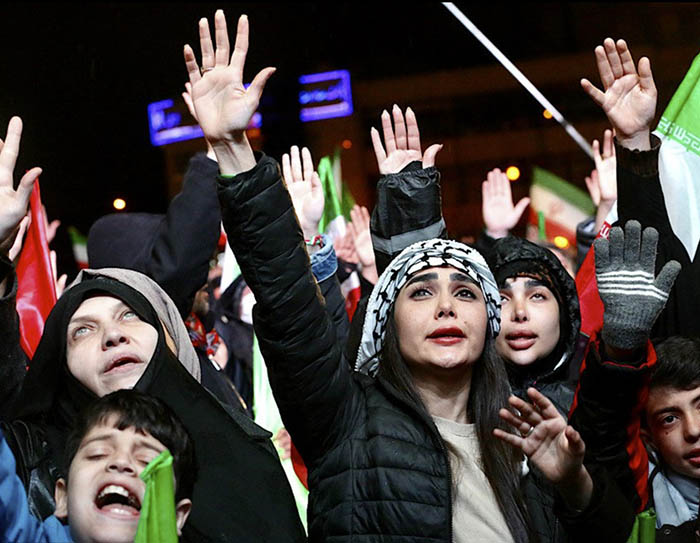
Night Gatherings in Tehran During Wartime in Vanak and the Transformation of Urban Space
Introduction Night gatherings in Tehran during wartime have become a significant aspect of urban life, particularly in central districts such … Continue reading ➝
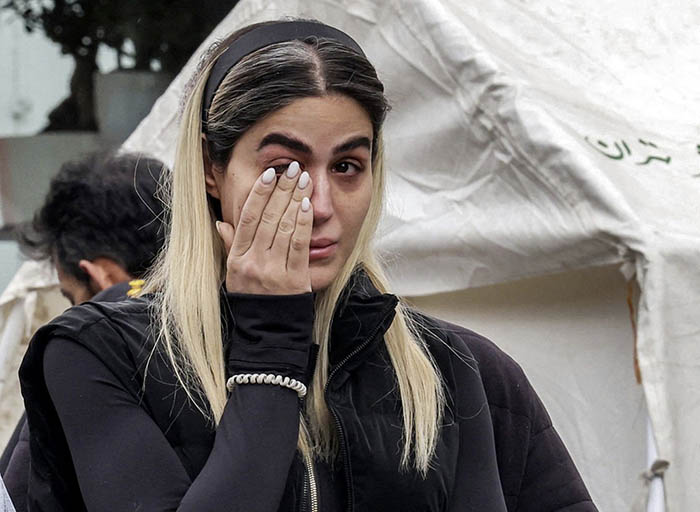
Missile Strike on Al-Arabi TV Office in Tehran Amid Escalating Iran–Israel Conflict
Introduction The rapidly escalating tensions in the Middle East reached a dramatic and alarming turning point as a missile strike … Continue reading ➝
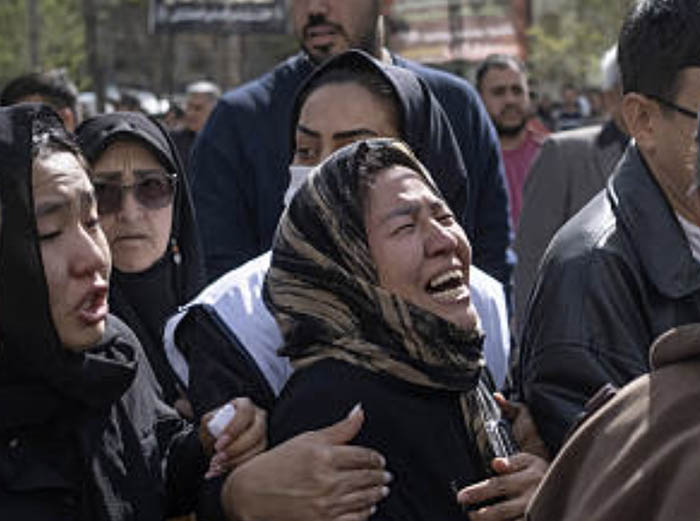
Despair in Afghan Neighborhood in Southern Tehran After Devastating Bombing
Introduction The narrow streets of an Afghan neighborhood in southern Tehran have fallen into a silence that feels heavier than … Continue reading ➝
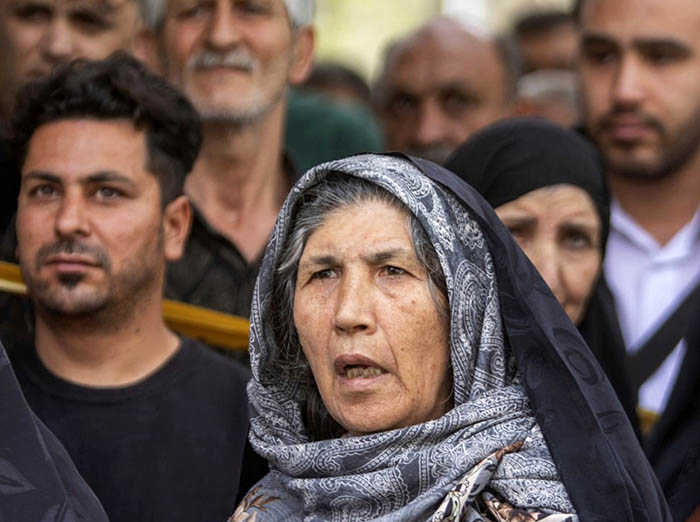
Residents in Shock After Missile Strikes Devastate Homes in Ray Amid Escalating War
Introduction Residents of Ray, a historic city just south of Tehran, woke to scenes of devastation and disbelief after midnight … Continue reading ➝