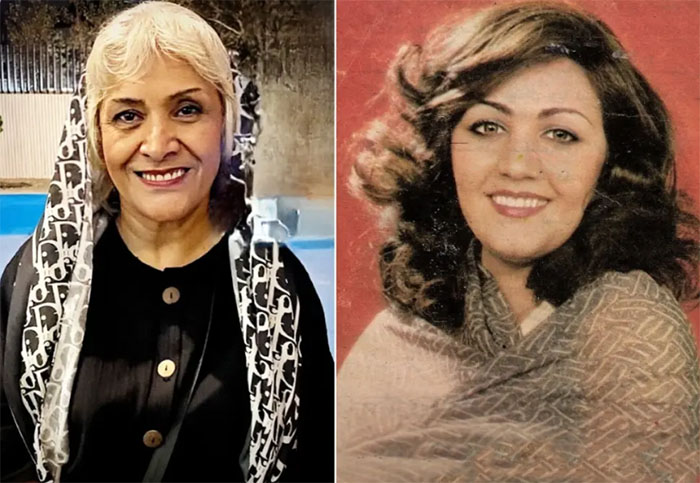
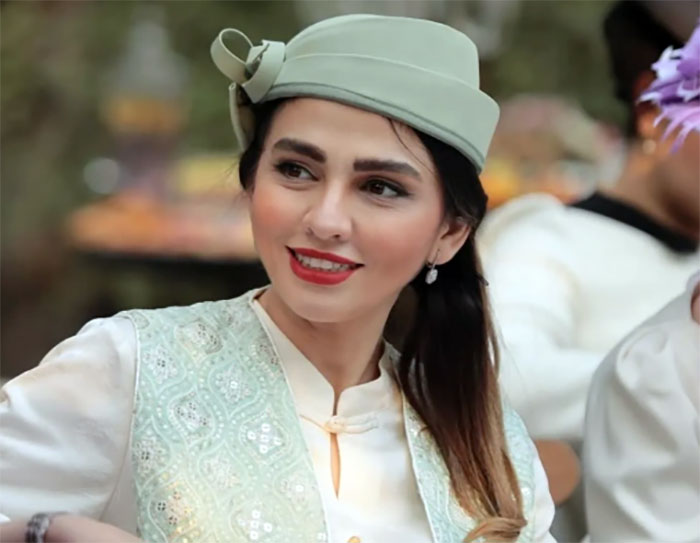
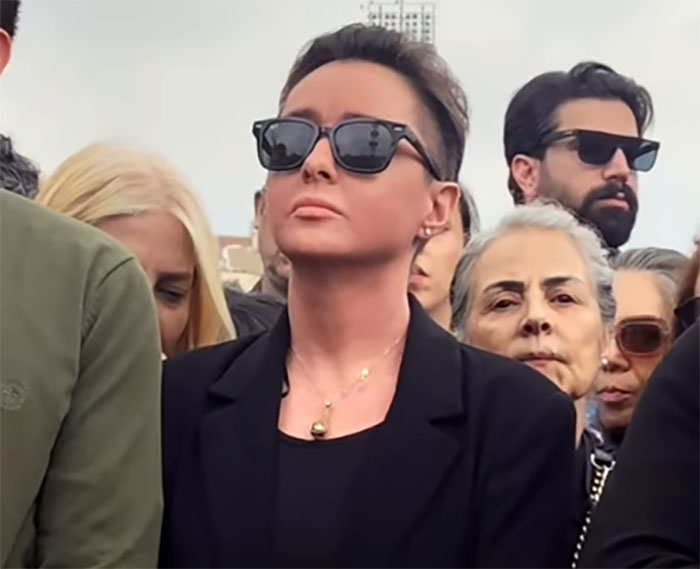
Minoo Abrishami: Famous Roles in Daei-jan Napoleon and Hezar-dastan, and Life in the United States
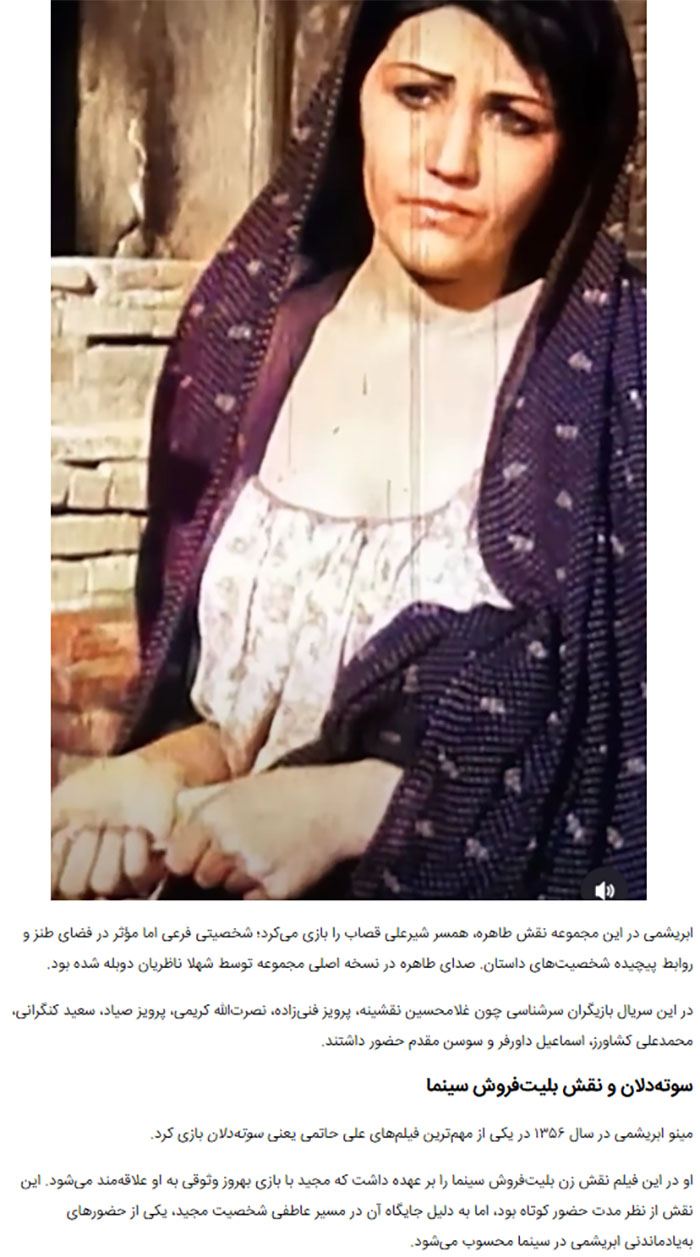
The performances of these actors helped create a richly populated fictional world.
The series also demonstrated Naser Taghvai’s ability to combine comedy with social criticism and detailed character observation.
For viewers researching the Daei-jan Napoleon cast, Minoo Abrishami is particularly relevant because of her portrayal of Tahereh, Shir-Ali Ghassab’s wife.
Why Daei-jan Napoleon Remains Important
Decades after its original production, Daei-jan Napoleon continues to attract attention from Iranian audiences.
Its dialogue, characters, humor, and memorable situations have become deeply embedded in Iranian popular culture.
The series has also remained a frequent subject of discussion among film enthusiasts, television historians, and audiences interested in classic Iranian entertainment.
Abrishami’s participation connects her career with this important television legacy.
Although Tahereh was a supporting role, the continued popularity of the series means that her performance remains part of a production that has survived changing television trends and generations of viewers.
Minoo Abrishami in Souteh-Delan: The Cinema Ticket Seller
In 1977, Minoo Abrishami appeared in Souteh-Delan (Broken-Hearted), directed by the celebrated filmmaker Ali Hatami.
The film is one of the best-known works in Hatami’s filmography and remains an important title in Iranian cinema.
Featuring Behrouz Vossoughi, Jamshid Mashayekhi, Shohreh Aghdashloo, and Fakhri Khorvosh, Souteh-Delan is particularly remembered for its distinctive atmosphere, emotional storytelling, and portrayal of characters living on the margins of society.
Abrishami appeared in the film as a cinema ticket seller.
Although the role is relatively brief, it is associated with an important emotional development involving Majid, the character portrayed by Behrouz Vossoughi.
Minoo Abrishami and Behrouz Vossoughi in Souteh-Delan
The cinema ticket seller is a character who becomes the object of Majid’s affection.
This encounter contributes to the emotional dimension of the story and provides an important moment in the character’s personal journey.
Abrishami’s appearance demonstrates how even a supporting performance can contribute to a film’s narrative structure.
Her participation also represents a significant professional connection with Ali Hatami, one of the most distinctive directors in Iranian cinema.
Hatami was known for his attention to Iranian history, cultural traditions, language, visual composition, and social environments.
His films often featured carefully constructed characters and settings that reflected different aspects of Iranian society.
For an actress such as Abrishami, working in one of his productions represented an opportunity to participate in a film that would remain relevant long after its original release.
November 4, 2026 | 5:54 pm