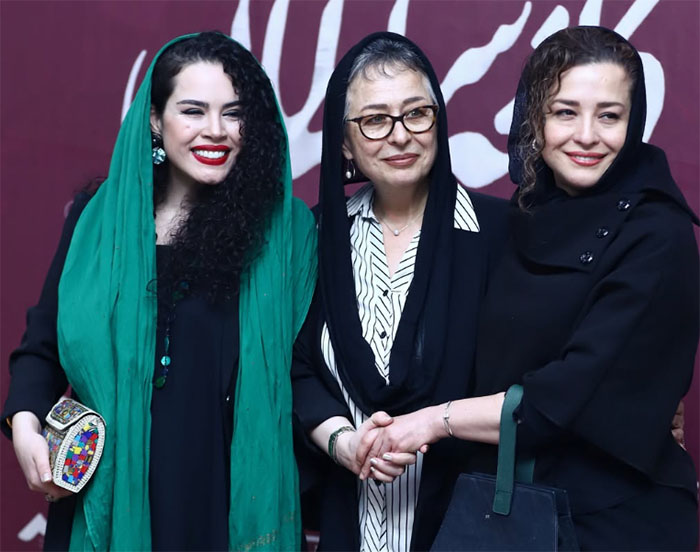
Different Images from the “Mihan” Brand Advertisement in the United Arab Emirates Become Controversial

What Makes the Mihan UAE Campaign Different?
Several characteristics distinguish the UAE campaign from conventional domestic Mihan advertising.
First is the international setting.
Second is the visible UAE branding.
Third is the presence of a UAE telephone number.
Fourth is the styling of the models.
Fifth is the apparent absence of the same clothing conventions that Iranian audiences normally associate with domestic advertising.
Together, these features create a strong visual contrast.
The contrast has become the central reason for the campaign’s online visibility.
Mihan UAE Advertisement: A Marketing Perspective
From a marketing perspective, the campaign illustrates the importance of understanding the target audience.
Advertising is not simply about displaying a product. It is about communicating a message to a specific group of consumers.
The same visual approach may not work equally well in Tehran, Dubai, London or Toronto.
Consumer expectations differ across markets.
The UAE has a highly diverse population and a sophisticated advertising industry. Brands operating there frequently use international visual conventions and multilingual communication.
For Mihan, adapting its promotional material could therefore be a strategic attempt to make its products more competitive in the UAE.
The controversy in Iran does not necessarily mean the campaign has failed commercially. In fact, controversy can sometimes increase brand visibility.
However, increased visibility can have both positive and negative effects. It can introduce a brand to new audiences while simultaneously generating criticism among existing consumers.
Could the Mihan Campaign Be a Separate UAE Campaign?
It is possible to interpret the photographs as a campaign specifically created for the UAE market.
The presence of UAE-specific branding and contact information supports that interpretation.
International campaigns are often created by local advertising agencies or regional marketing teams. They may use models and photographers based in the target market.
This allows the company to develop content that looks natural within the local advertising environment.
If the Mihan photographs were created specifically for the UAE, the difference from Iranian campaigns would therefore be expected rather than surprising.
However, without a detailed public statement from the company, the precise production process and marketing strategy behind the photographs cannot be established solely from social-media images.
Mihan UAE and the Future of Iranian Brands Abroad
The discussion surrounding the campaign highlights a larger trend: Iranian companies seeking to operate beyond the domestic market need to think internationally.