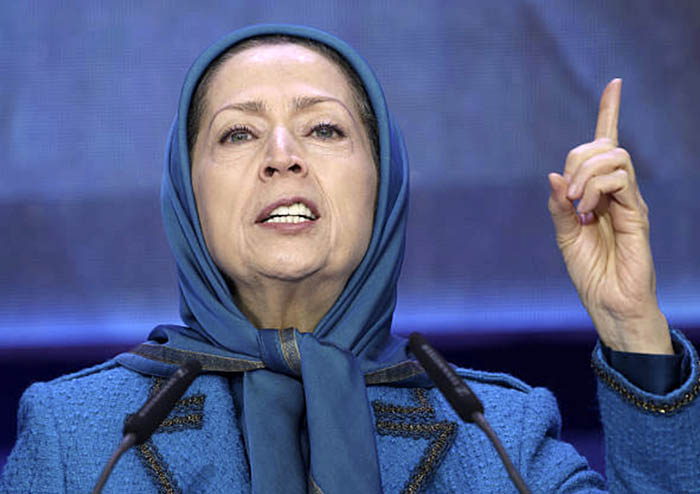
Maryam Rajavi: Leader of Pro-Democracy Movement in Berlin
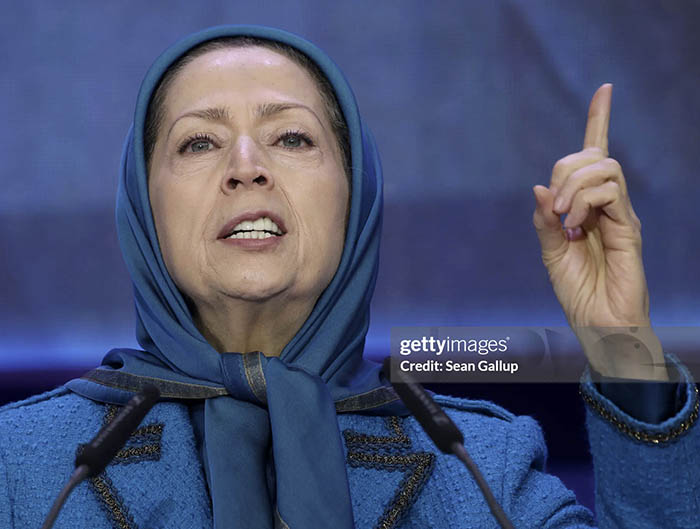
Early Life and Background
Maryam Rajavi was born Maryam Qajar Azhodanlou on December 3, 1953, in Iran. Growing up in a period marked by political upheaval and social change, she was deeply influenced by the struggles of her nation and the desire for justice and freedom. Her early years were shaped by her exposure to Iran’s social inequalities, authoritarian rule, and the growing movements advocating for reform.
She was a bright student, excelling academically and showing an early interest in political activism. Her awakening to Iran’s socio-political issues led her to join underground opposition groups that aimed to challenge the Shah’s regime and promote revolutionary ideals rooted in social justice, democracy, and anti-imperialism.
Political Career and Leadership of the People’s Mujahedin of Iran (MEK)
Formation and Ideological Foundations
The People’s Mujahedin of Iran (MEK), also known as the Mojahedin-e Khalq, was founded in the 1960s as a revolutionary organization committed to overthrowing the Shah’s monarchy and establishing an Islamic socialist state. Over the years, it evolved into a prominent opposition movement with a complex ideology combining Islamic principles with socialist ideals.
Maryam Rajavi’s political activism deepened during the Shah’s regime, and she quickly rose through the ranks of the organization due to her dedication, strategic acumen, and leadership qualities. Her association with the MEK became a defining part of her life, and she committed herself fully to the cause of regime change.
Marriage to Massoud Rajavi and Leadership Transition
In 1985, Maryam Rajavi married Massoud Rajavi, a key leader of the MEK. Their marriage was not only a personal union but also a strategic alliance that reinforced their joint leadership of the organization. The official wedding ceremony was held on June 19, 1985, at the office of the National Council of Resistance of Iran (NCRI) in Auvers-sur-Avise, France.
Together, they led the MEK through turbulent periods, including Iran’s brutal crackdown on opposition members, internal ideological debates, and the organization’s international campaigns. Their leadership was characterized by a steadfast commitment to overthrowing the Iranian regime and establishing a democratic, secular government.
February 7, 2026 | 4:22 pm