7 Powerful Movies That Reveal the Hidden World of Male Emotions, Masculinity and Vulnerability
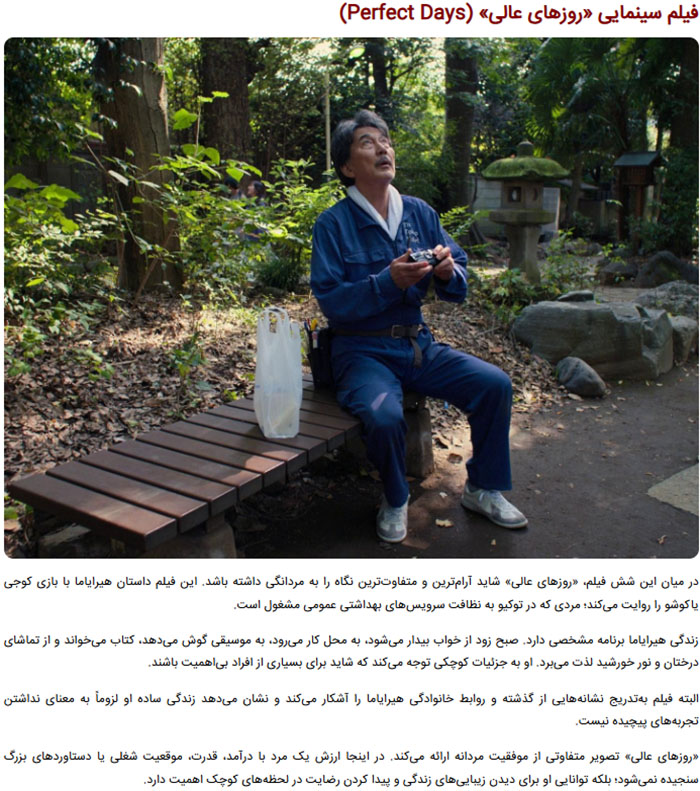
6. Perfect Days (2023): A Different Definition of What It Means to Be a Man
Director: Wim Wenders
Starring: Koji Yakusho, Tokio Emoto, Arisa Nakano
Genre: Drama
Main themes: Simplicity, dignity, solitude, personal identity, emotional balance and the meaning of everyday life.
Not every film about masculinity needs to portray a man experiencing a dramatic crisis.
Sometimes, the most interesting perspective comes from observing someone who has developed a quiet and uncomplicated relationship with life.
Wim Wenders’s Perfect Days offers precisely this kind of experience.
The film follows Hirayama, played by Koji Yakusho, a middle-aged man working as a public toilet cleaner in Tokyo.
His life follows a remarkably consistent routine.
He wakes early, carefully prepares for the day, drives to work, listens to music, reads books and spends time observing nature.
He enjoys the sunlight filtering through trees and finds pleasure in small details that many people overlook.
His daily existence may appear ordinary, but the film gradually reveals the depth of his inner world.
A Man Who Does Not Need to Prove Himself
Hirayama represents a different image of masculine identity.
He does not define himself through professional prestige, financial success or public recognition.
His work may not be considered glamorous, but he approaches it with attention and professionalism.
He takes pride in doing his job well.
His routines also suggest that he has developed a personal philosophy based on simplicity and appreciation.
Rather than constantly comparing himself with others, he appears comfortable with his everyday circumstances.
This is a particularly interesting contrast with conventional cinematic portrayals of successful men.
Many films associate masculinity with ambition, competition and the pursuit of power.
Perfect Days suggests that a meaningful life can also be built around discipline, modesty and awareness.
The Past Behind the Quiet Life
Although Hirayama appears content with his routine, the film gradually provides glimpses of a more complicated personal history.
His encounters with his niece and other people reveal aspects of his family background and relationships.
The film does not explain everything about his past.
Instead, it allows audiences to recognise that even a seemingly peaceful person may carry experiences that remain unspoken.
This ambiguity is part of the film’s emotional strength.
Hirayama is not defined by a dramatic confession or a single life-changing decision.
His character develops through small interactions, expressions and moments of reflection.
What Perfect Days Teaches Us About Masculinity
The film challenges the assumption that men must constantly pursue achievement to establish their value.
Hirayama’s life suggests that dignity can exist independently of professional status.
His ability to find satisfaction in everyday activities becomes an alternative form of success.
The film also explores solitude without automatically presenting it as a negative experience.
Hirayama enjoys being alone, but he is not entirely disconnected from the people around him.
His life contains both independence and moments of human connection.
For viewers interested in philosophical films about life, quiet masculinity, simplicity, ageing and finding happiness in everyday experiences, Perfect Days is an especially rewarding choice.
Why watch it: Because it reminds us that a man’s worth does not depend on how loudly he announces his achievements.
November 18, 2026 | 6:49 pm