Diplomatic Engagement 2026: Key Insights into Larijani’s Meeting with Sultan Bin Mohammed Al-Numani
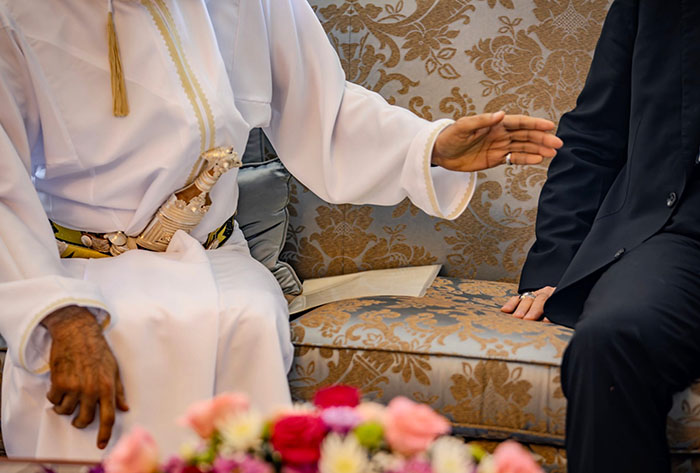
3. The Role of Diplomatic Communication and Official Correspondence
3.1 Diplomatic Mails in Iran-Oman Relations
In high-stakes diplomacy, official letters and diplomatic mails are fundamental tools for conveying intentions, negotiating terms, and reinforcing commitments. These formal communications often precede or follow high-level meetings, providing a framework for dialogue and cooperation.
3.2 Content and Nature of Diplomatic Mails
While the exact contents of Iran and Oman’s recent correspondence are confidential, typical diplomatic mails include:
- Invitations for official meetings
- Expressions of mutual interest in regional security
- Proposals for joint ventures or initiatives
- Clarifications of diplomatic positions
- Follow-up messages to reinforce agreements
3.3 Impact of Diplomatic Mail on the February 10 Meeting
Prior to the meeting, Iran and Oman likely exchanged official diplomatic mails to set agendas, align their strategic priorities, and build trust. These exchanges help ensure the meeting’s success by clarifying objectives and demonstrating mutual respect.
3.4 Significance of Formal Correspondence
Diplomatic mails serve as a vital bridge, fostering trust and transparency. They enable discreet negotiations, help manage expectations, and lay the groundwork for tangible agreements that can be implemented on the ground.
February 10, 2026 | 5:34 pm