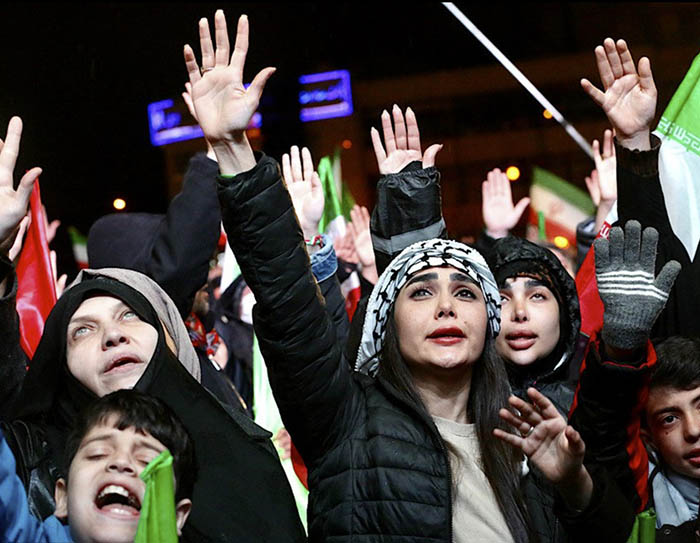
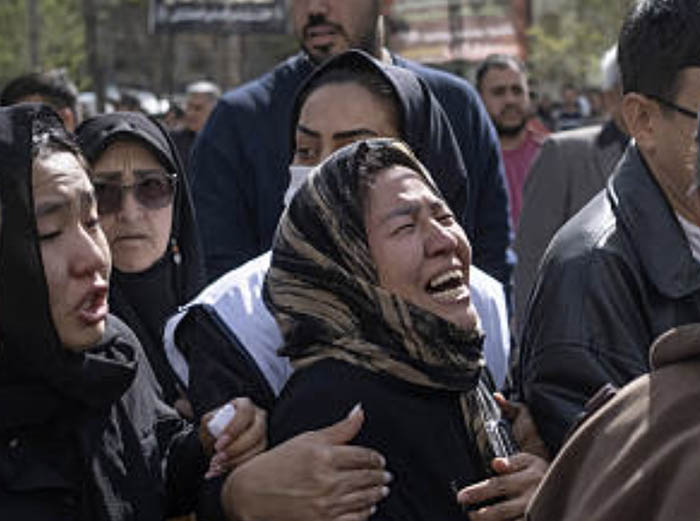
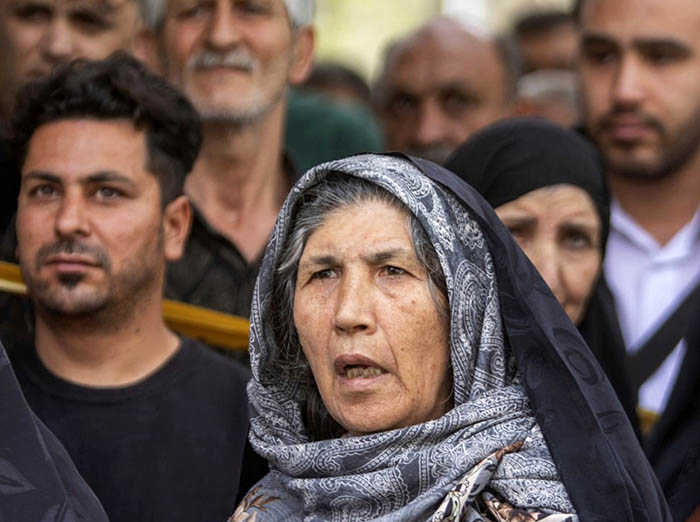
Khamenei’s Swallows on the Streets of Tehran After Israel–U.S. Joint Strikes: Protests, Explosions, and Regional Fallout
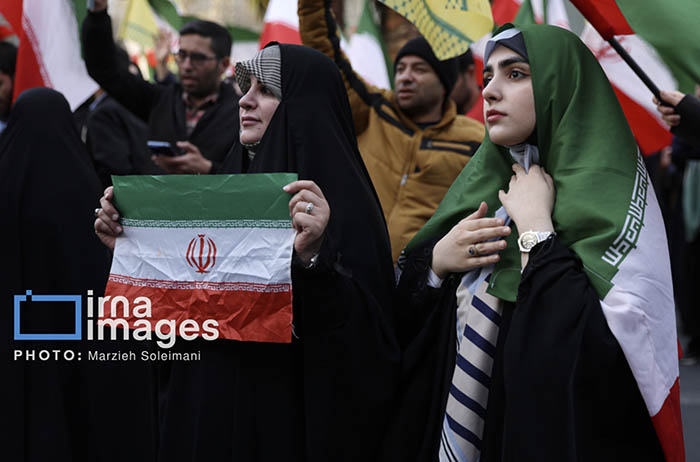
Internationally, diplomatic channels intensified behind the scenes. While public statements from the United States and Israel emphasized security concerns and strategic objectives, other governments called for immediate de-escalation. Analysts suggested that private negotiations were likely underway to prevent further direct exchanges. The risk of miscalculation remained high, particularly if additional retaliatory strikes were perceived as disproportionate.
Defense experts examined early data emerging from the confrontation. Questions centered on the scale and precision of the reported strikes, the effectiveness of air defense systems, and the implications for future deterrence. Some observers argued that the limited duration of direct exchanges might signal an attempt by all sides to demonstrate capability without crossing into full-scale war. Others warned that even carefully calibrated actions can spiral if political pressures intensify.
Energy markets continued reacting to uncertainty. Traders monitored maritime routes and strategic chokepoints for any signs of disruption. Even rumors of instability near key shipping lanes proved enough to move prices sharply. Economists noted that prolonged tension could influence inflation patterns globally, particularly in countries already managing fragile post-pandemic recoveries. Financial institutions began issuing updated risk assessments reflecting elevated geopolitical volatility.
February 28, 2026 | 8:40 pm