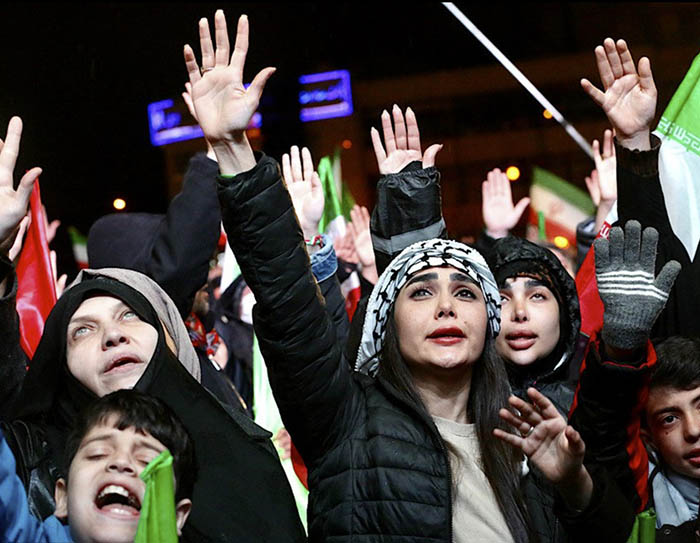
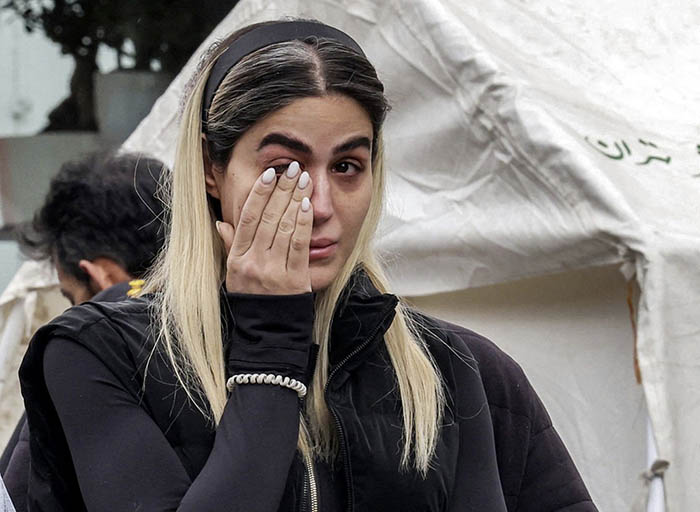
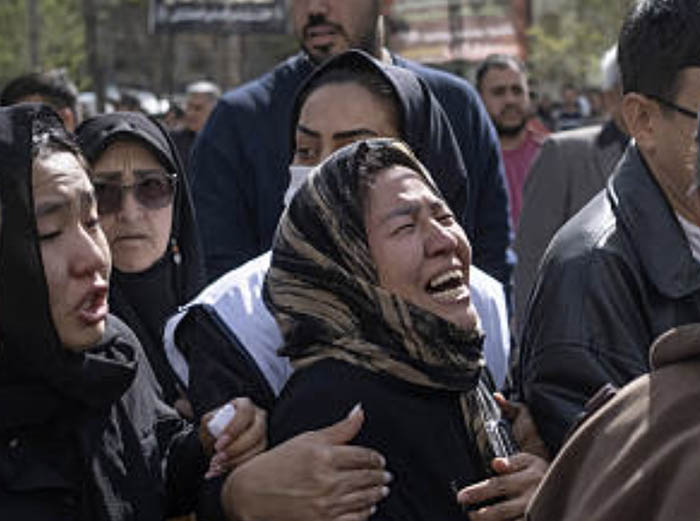
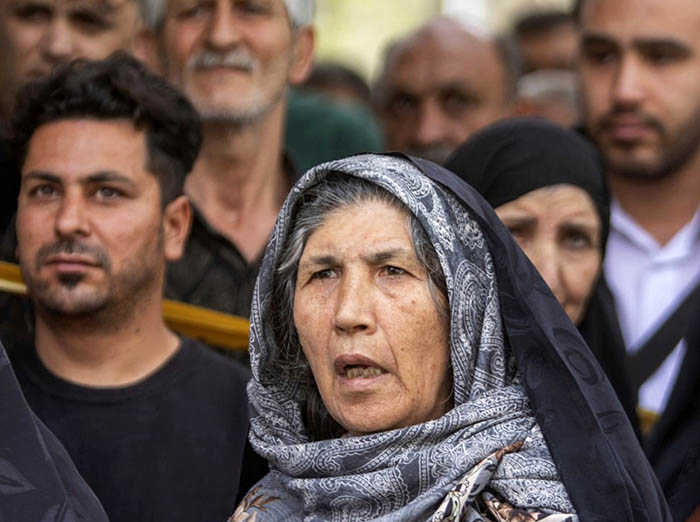
Khamenei’s Swallows on the Streets of Tehran After Israel–U.S. Joint Strikes: Protests, Explosions, and Regional Fallout
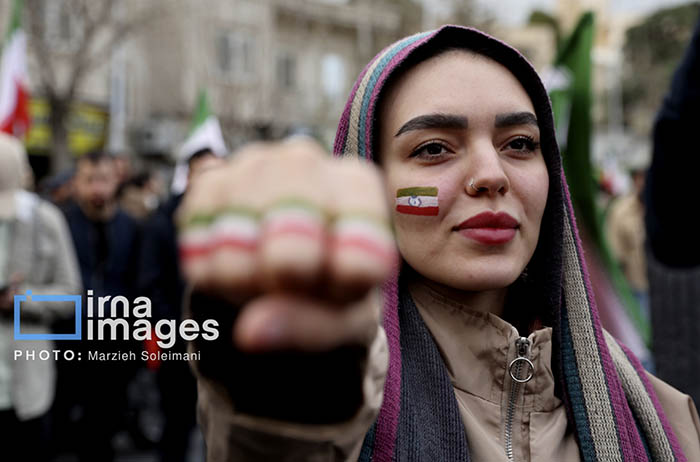
Inside Tehran, conversations in homes and cafes reflected a mixture of apprehension and determination. Parents discussed contingency plans while encouraging children to maintain routine. University students debated international law and strategic theory. Shopkeepers monitored news feeds between customers. The psychological dimension of crisis became evident as citizens navigated uncertainty while projecting outward calm.
As diplomatic efforts continued, analysts outlined several potential trajectories. One scenario envisioned a rapid stabilization driven by mutual recognition of escalation risks. Another anticipated intermittent exchanges designed to preserve deterrence without widening the conflict. A more concerning possibility involved broader regional entanglement, especially if allied non-state actors interpreted events as a signal to act independently. Each pathway carried distinct political and economic consequences.
In the broader historical context, the events of late February 2026 added another chapter to a long and complex relationship among regional powers. Strategic rivalry, ideological tension, and security concerns have defined interactions for decades. Yet direct confrontation of this visibility marked a significant inflection point. Observers emphasized that moments like these often redefine deterrence frameworks and diplomatic alignments for years to come.
February 28, 2026 | 8:40 pm