Israeli Reactions to Gaza Peace Deal: A Comprehensive Analysis of Public, Political, and International Perspectives
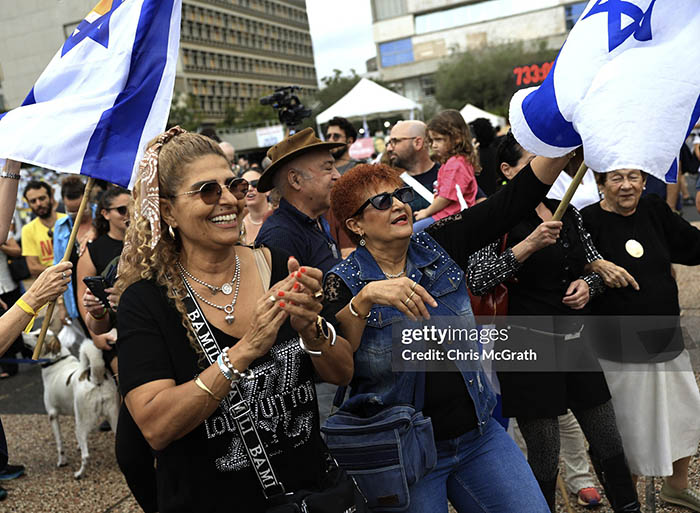
In-Depth Analysis of Israeli Public Sentiment
The Spectrum of Public Opinion: From Hope to Distrust
Israelis are known for their vibrant, often divided opinions on security and peace. The recent Gaza ceasefire has amplified this diversity:
- Hopeful Citizens: Many Israelis, especially those who have suffered from rocket attacks and military operations, see the deal as a necessary step toward stability. For them, the possibility of reducing violence and saving lives outweighs fears of future conflict.
- Security-First Advocates: A sizeable segment remains deeply concerned about Hamas’s intentions, questioning whether the group will honor its commitments. They emphasize the need for robust security measures, verification mechanisms, and military readiness.
- Skeptics and Critics: Some critics argue that the deal is premature, rushed, or based on fragile trust. They warn that soft diplomacy might embolden Hamas or lead to recurring violence.
- Nationalist and Right-Wing Perspectives: Many in the right-wing camp oppose any deal perceived as weakening Israel’s security posture, fearing it could undermine deterrence and national sovereignty.
- Left-Wing and Peace Advocates: Conversely, peace activists and human rights organizations champion the deal, viewing it as a historic opportunity to end cycles of violence and advance peace negotiations.
The Role of Media and Social Media in Shaping Public Opinion
- Mainstream Media: Israeli news outlets, including Haaretz, Jerusalem Post, and Yedioth Ahronoth, have presented a diverse range of opinions—from cautious optimism to critical analyses of the deal’s terms.
- Social Media Influence: Platforms such as Twitter, Facebook, and Telegram have become hotbeds of debate, with citizens sharing personal opinions, memes, and calls to action. Influencers and public figures have a significant role in shaping perceptions, often framing the deal as either a historic breakthrough or a betrayal of security.
Civic and Community Reactions
- Peace and Human Rights Organizations: Groups like Breaking the Silence and B’Tselem have welcomed the deal, urging diplomatic progress and humanitarian relief.
- Veterans and Military Figures: Former military leaders, such as Gadi Eisenkot and Benny Gantz, have expressed caution, emphasizing the importance of security assurances and preventive measures.
- Religious and Cultural Leaders: Religious authorities and community leaders often emphasize peace as a religious value, advocating for dialogue and reconciliation.
More stories

Kylie Jenner Makes Victoria’s Secret Fashion Show Debut in $50 Million Fantasy Bra
Introduction Babak Takhti is an Iranian writer, publisher and the only son of Gholamreza Takhti, the legendary Iranian freestyle wrestler … Continue reading ➝
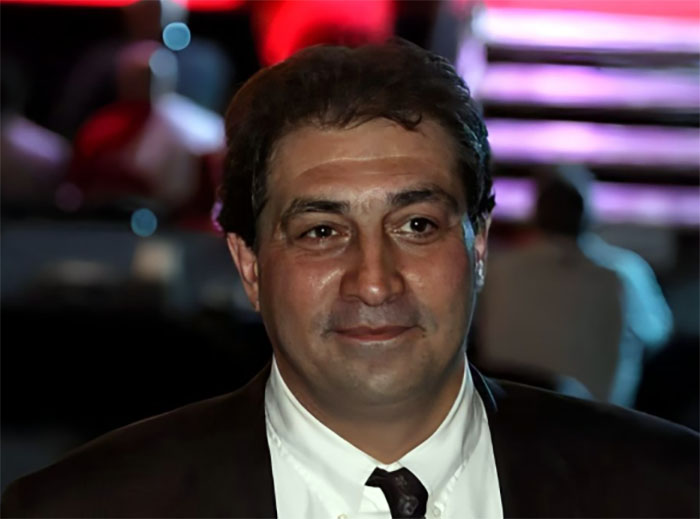
Who Is Babak Takhti? Gholamreza Takhti’s Only Son, His Family, Career, and His Father’s Controversial Death
Introduction Babak Takhti is an Iranian writer, publisher and the only son of Gholamreza Takhti, the legendary Iranian freestyle wrestler … Continue reading ➝
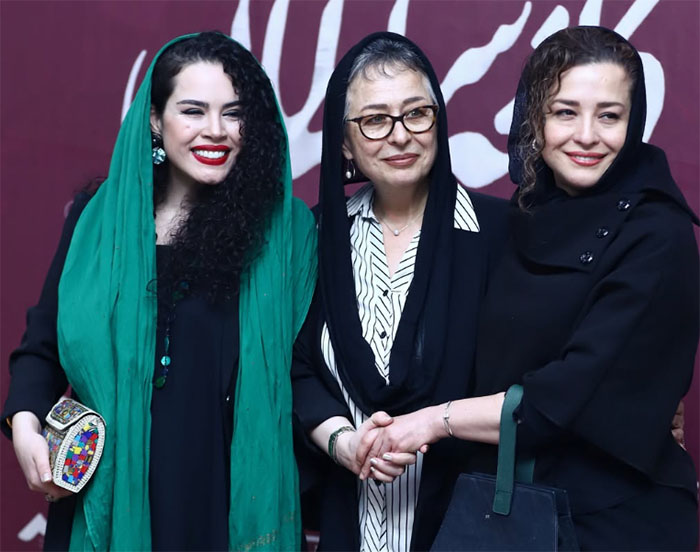
Azita Hajian, Mehraveh Sharifinia and Melika Sharifinia Attend Cafe Soltan Private Screening at Megamall Cinema
Introduction The private screening of Cafe Soltan, the Iranian feature film directed by Mostafa Razagh-Karimi and produced by Morteza Razagh-Karimi, … Continue reading ➝

Bot (Bet) Movie: Hamid Nematollah’s Drama Holds Private Screening at Galleria Cinema Complex
Introduction The Iranian social drama Bot, also transliterated as Bet and associated with the English title Idol, has attracted attention … Continue reading ➝
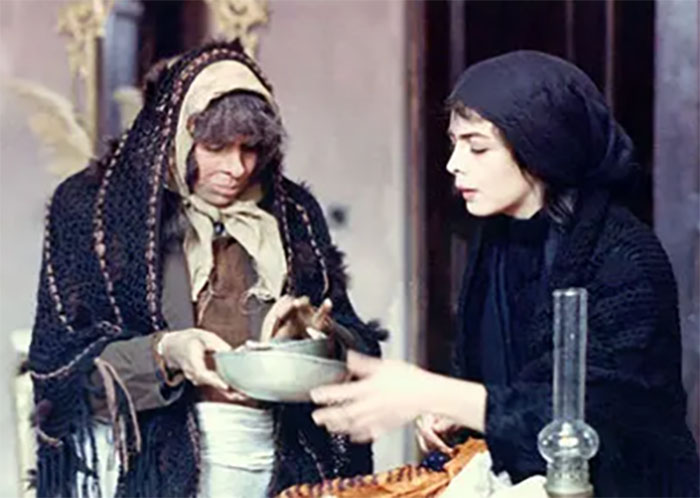
10 Fascinating Stories About Most Famous Actresses: Behind-the-Scenes Secrets From Iconic Films and TV Shows
Introduction 1. Gohar Kheirandish in Banoo: The Makeup That Could Not Hide Her Beauty Film: Banoo (The Lady) Director: Dariush … Continue reading ➝