Israeli Reactions to Gaza Peace Deal: A Comprehensive Analysis of Public, Political, and International Perspectives
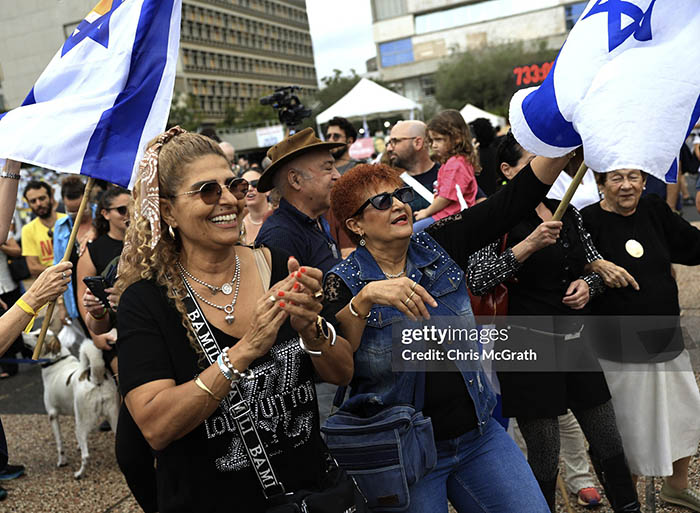
In-Depth Analysis of Israeli Public Sentiment
The Spectrum of Public Opinion: From Hope to Distrust
Israelis are known for their vibrant, often divided opinions on security and peace. The recent Gaza ceasefire has amplified this diversity:
- Hopeful Citizens: Many Israelis, especially those who have suffered from rocket attacks and military operations, see the deal as a necessary step toward stability. For them, the possibility of reducing violence and saving lives outweighs fears of future conflict.
- Security-First Advocates: A sizeable segment remains deeply concerned about Hamas’s intentions, questioning whether the group will honor its commitments. They emphasize the need for robust security measures, verification mechanisms, and military readiness.
- Skeptics and Critics: Some critics argue that the deal is premature, rushed, or based on fragile trust. They warn that soft diplomacy might embolden Hamas or lead to recurring violence.
- Nationalist and Right-Wing Perspectives: Many in the right-wing camp oppose any deal perceived as weakening Israel’s security posture, fearing it could undermine deterrence and national sovereignty.
- Left-Wing and Peace Advocates: Conversely, peace activists and human rights organizations champion the deal, viewing it as a historic opportunity to end cycles of violence and advance peace negotiations.
The Role of Media and Social Media in Shaping Public Opinion
- Mainstream Media: Israeli news outlets, including Haaretz, Jerusalem Post, and Yedioth Ahronoth, have presented a diverse range of opinions—from cautious optimism to critical analyses of the deal’s terms.
- Social Media Influence: Platforms such as Twitter, Facebook, and Telegram have become hotbeds of debate, with citizens sharing personal opinions, memes, and calls to action. Influencers and public figures have a significant role in shaping perceptions, often framing the deal as either a historic breakthrough or a betrayal of security.
Civic and Community Reactions
- Peace and Human Rights Organizations: Groups like Breaking the Silence and B’Tselem have welcomed the deal, urging diplomatic progress and humanitarian relief.
- Veterans and Military Figures: Former military leaders, such as Gadi Eisenkot and Benny Gantz, have expressed caution, emphasizing the importance of security assurances and preventive measures.
- Religious and Cultural Leaders: Religious authorities and community leaders often emphasize peace as a religious value, advocating for dialogue and reconciliation.
More stories
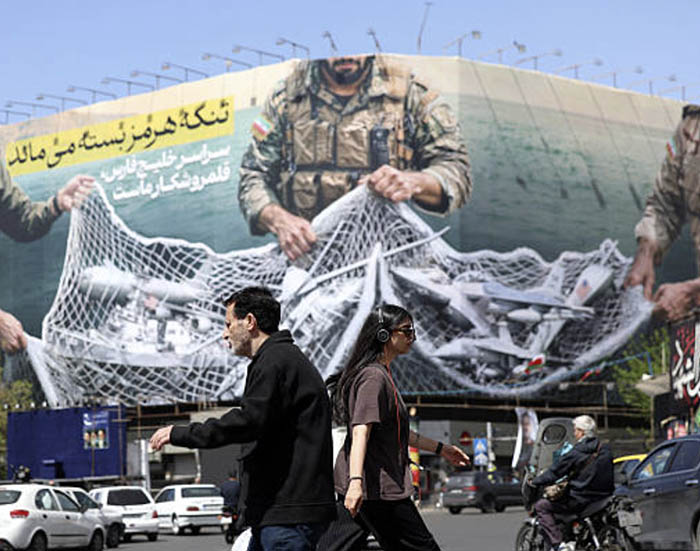
Strait of Hormuz Crisis 2026: Propaganda Posters in Enghelab Square
Introduction In the heart of Tehran, specifically at Enghelab Square, a massive propaganda banner has emerged as one of the … Continue reading ➝
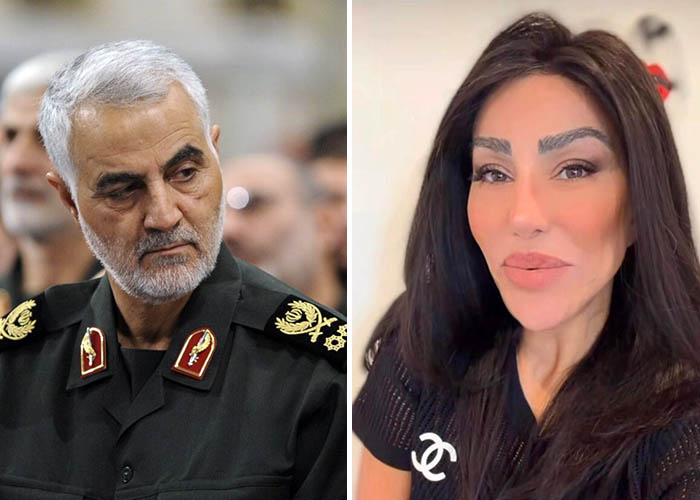
US State Department Arrests Relative of Qassem Soleimani: Immigration Crackdown, National Security Concerns
Introduction The recent announcement by the United States Department of State regarding the arrest and revocation of permanent residency for … Continue reading ➝
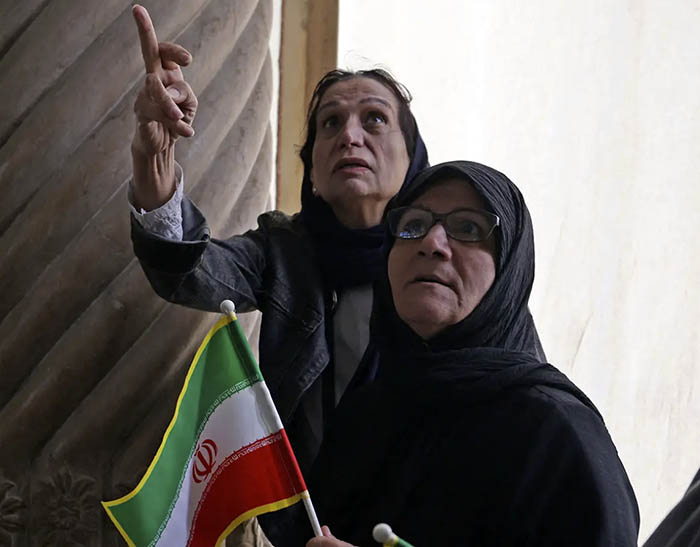
Damage to Golestan Palace Amid Iran–Israel–US Conflict: Cultural Heritage at Risk
Introduction The unfolding Iran–Israel–US conflict in 2026 has not only intensified geopolitical tensions in the Middle East but has also … Continue reading ➝
U.S.-Israeli Military Operations: Full Analysis of the 2026 Middle East Conflict
Introduction The escalating conflict involving United States, Israel, and Iran has rapidly evolved into one of the most dangerous geopolitical … Continue reading ➝
13 Bedar in Tehran: Celebrating Life on the Frontline of War
Introduction In the heart of Tehran, where headlines often speak of geopolitical tension, military escalation, and uncertainty, a different story … Continue reading ➝