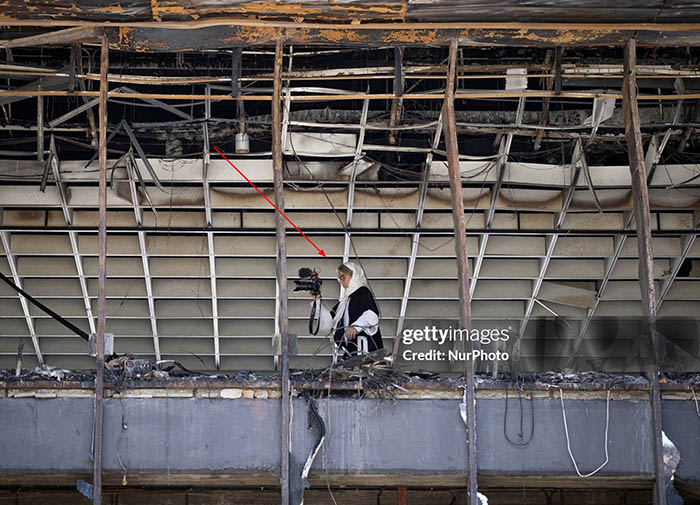
Israel Attacks Iran’s State Television: Implications for Middle East Security and Geopolitics in 2025
Pathways to Peace: Strategic Recommendations for Stakeholders
1. Revitalizing Multilateral Negotiations
- Re-engagement with the JCPOA (Joint Comprehensive Plan of Action): Restoring and strengthening Iran’s nuclear deal can serve as a foundation for broader regional stability.
- Inclusive Dialogue Platforms: Establishing forums that include Iran, Israel, regional neighbors, and global powers to foster trust and transparency.
- Gradual Confidence-Building Steps: Initiatives such as prisoner exchanges, de-escalation zones, and joint humanitarian projects.
2. Strengthening Regional Security Arrangements
- Security Pacts: Developing multilateral security arrangements that ensure mutual defense and crisis management.
- Arms Control Agreements: Negotiating limits on missile arsenals and military exercises to reduce miscalculations.
- Counter-Terrorism Cooperation: Enhancing intelligence sharing and joint operations against extremist groups.
3. Leveraging International Law and Institutions
- United Nations Engagement: Using UN resolutions and peacekeeping missions to monitor compliance and protect civilians.
- Legal Frameworks: Applying international humanitarian law to safeguard civilians and ensure accountability.
- Conflict Mediation and Arbitration: Utilizing international courts and mediators to resolve disputes peacefully.
4. Promoting Economic and Social Reconciliation
- Economic Incentives: Providing sanctions relief, investment, and development aid conditioned on compliance with peace agreements.
- Social Reconciliation Programs: Encouraging grassroots peace initiatives, intercultural dialogues, and education reforms emphasizing tolerance.