Censorship and Internet Shutdowns During the January 2026 Protests
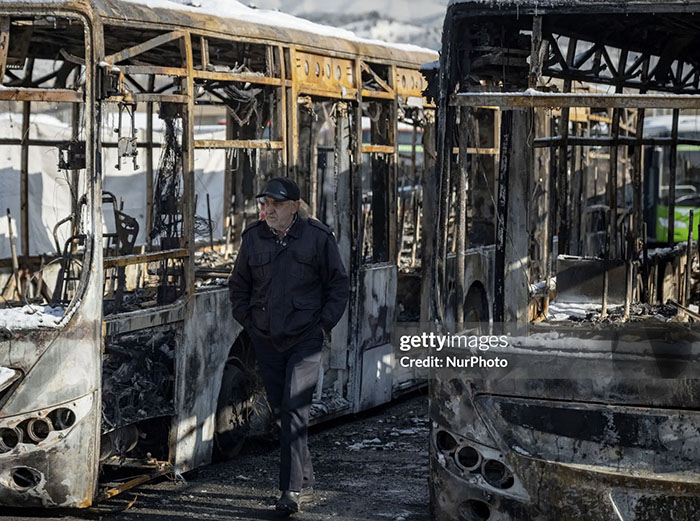
Detailed Background of the 2026 Protests
Causes and Underlying Issues
Iran’s political landscape has long been characterized by a tension between reformist aspirations and conservative authoritarian control. The protests in January 2026 were the culmination of years of accumulated grievances:
- Economic Hardship: Iran’s economy has been crippled by international sanctions targeting its oil industry, banking sector, and other vital economic sectors. Inflation soared past 50%, and unemployment reached record levels, especially among youth and recent graduates.
- Political Repression: The government’s crackdown on dissent, frequent arrests of activists, journalists, and opposition figures, and restrictions on free speech created a climate of fear and frustration.
- Social Inequality: Wealth disparities and limited access to education and healthcare fueled social unrest.
- Trigger Events: The immediate spark was a sharp increase in fuel prices amid austerity measures, leading to widespread protests. The death of a prominent activist in detention on January 4, 2026, further ignited public anger.
Timeline of Escalating Tensions
The protests initially started as localized demonstrations but quickly expanded nationally:
- December 2025: Small protests over economic issues.
- Early January 2026: Demonstrations grew larger, with students, workers, and middle-class citizens joining.
- January 8-9: Major urban centers saw clashes with security forces. Protesters called for political reforms, economic relief, and an end to repression.
- January 15: Authorities imposed restrictions on internet access in an attempt to curb the spread of protest videos and information.
- End of January: Protests persisted despite shutdowns, with underground networks and international media playing critical roles.
More stories
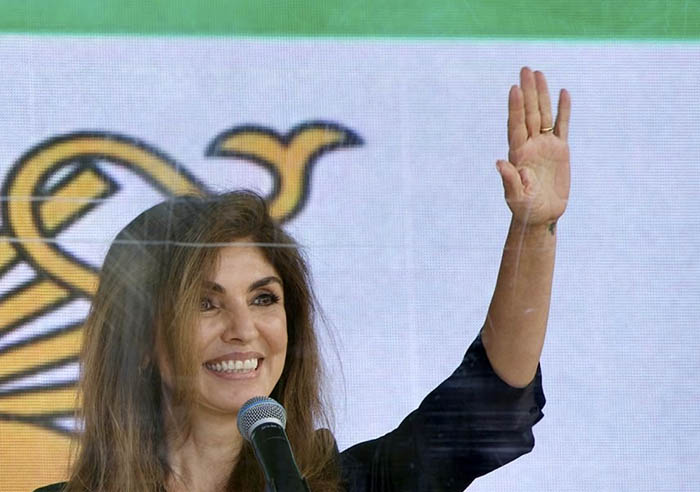
US–Israel–Iran War Demonstration in Washington, DC: Iranian Diaspora Rally for Freedom
Introduction On March 29, 2026, thousands gathered on the National Mall in Washington, DC near the iconic US Capitol to … Continue reading ➝
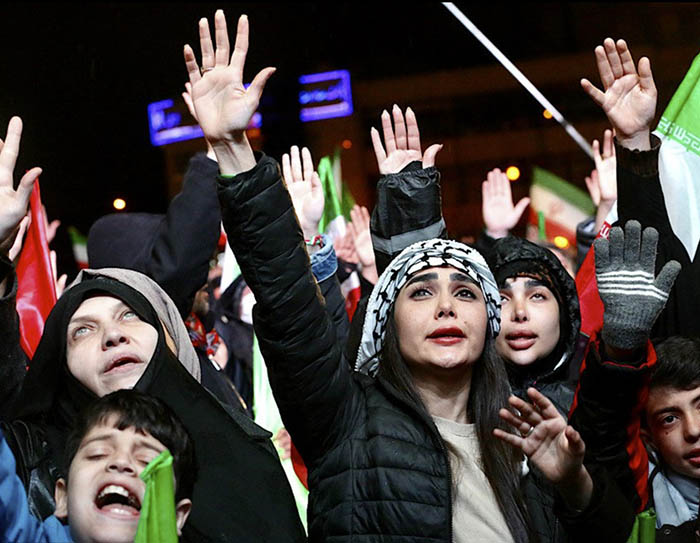
Night Gatherings in Tehran During Wartime in Vanak and the Transformation of Urban Space
Introduction Night gatherings in Tehran during wartime have become a significant aspect of urban life, particularly in central districts such … Continue reading ➝
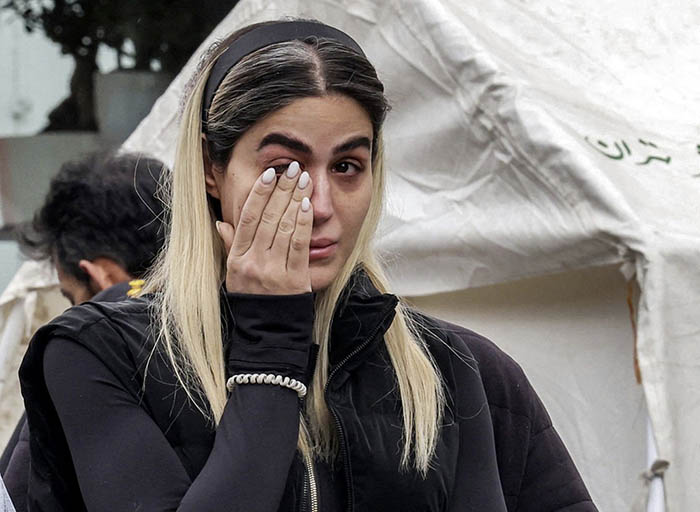
Missile Strike on Al-Arabi TV Office in Tehran Amid Escalating Iran–Israel Conflict
Introduction The rapidly escalating tensions in the Middle East reached a dramatic and alarming turning point as a missile strike … Continue reading ➝
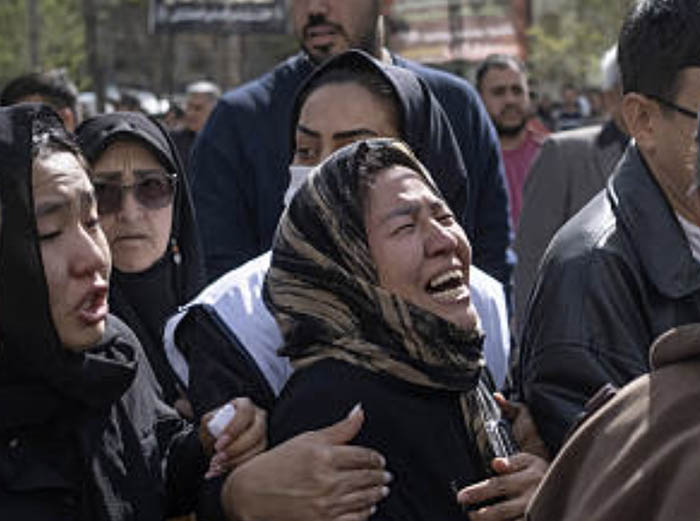
Despair in Afghan Neighborhood in Southern Tehran After Devastating Bombing
Introduction The narrow streets of an Afghan neighborhood in southern Tehran have fallen into a silence that feels heavier than … Continue reading ➝
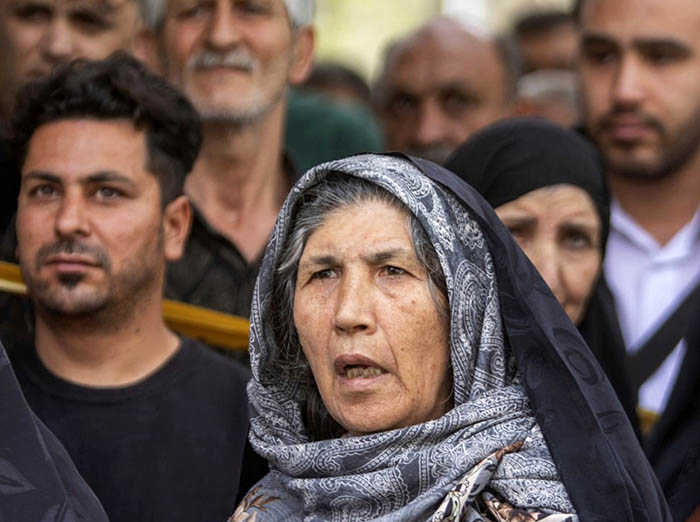
Residents in Shock After Missile Strikes Devastate Homes in Ray Amid Escalating War
Introduction Residents of Ray, a historic city just south of Tehran, woke to scenes of devastation and disbelief after midnight … Continue reading ➝